

152
Z. Lu and G. Zhu
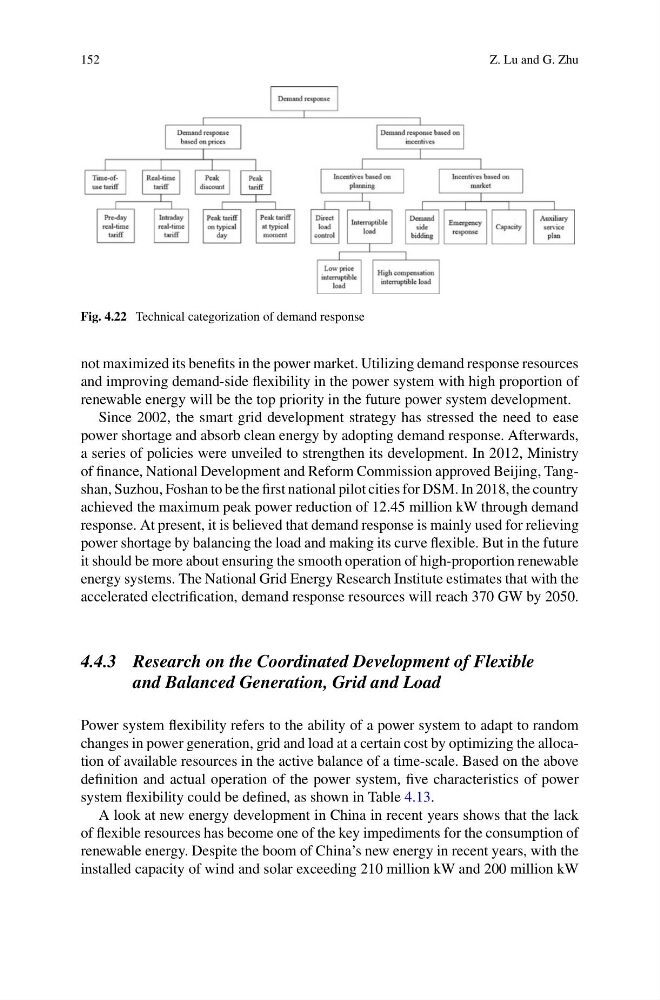
Fig. 4.22 Technical categorization of demand response
not maximized its benefits in the power market. Utilizing demand response resources
and improving demand-side flexibility in the power system with high proportion of
renewable energy will be the top priority in the future power system development.
Since 2002, the smart grid development strategy has stressed the need to ease
power shortage and absorb clean energy by adopting demand response. Afterwards,
a series of policies were unveiled to strengthen its development. In 2012, Ministry
of finance, National Development and Reform Commission approved Beijing, Tangshan, Suzhou, Foshan to be the first national pilot cities for DSM. In 2018, the country
achieved the maximum peak power reduction of 12.45 million kW through demand
response. At present, it is believed that demand response is mainly used for relieving
power shortage by balancing the load and making its curve flexible. But in the future
it should be more about ensuring the smooth operation of high-proportion renewable
energy systems. The National Grid Energy Research Institute estimates that with the
accelerated electrification, demand response resources will reach 370 GW by 2050.
4.4.3 Research on the Coordinated Development of Flexible
and Balanced Generation, Grid and Load
Power system flexibility refers to the ability of a power system to adapt to random
changes in power generation, grid and load at a certain cost by optimizing the allocation of available resources in the active balance of a time-scale. Based on the above
definition and actual operation of the power system, five characteristics of power
system flexibility could be defined, as shown in Table 4.13.
A look at new energy development in China in recent years shows that the lack
of flexible resources has become one of the key impediments for the consumption of
renewable energy. Despite the boom of China’s new energy in recent years, with the
installed capacity of wind and solar exceeding 210 million kW and 200 million kW
Z. Lu and G. Zhu
Fig. 4.22 Technical categorization of demand response
not maximized its benefits in the power market. Utilizing demand response resources
and improving demand-side flexibility in the power system with high proportion of
renewable energy will be the top priority in the future power system development.
Since 2002, the smart grid development strategy has stressed the need to ease
power shortage and absorb clean energy by adopting demand response. Afterwards,
a series of policies were unveiled to strengthen its development. In 2012, Ministry
of finance, National Development and Reform Commission approved Beijing, Tangshan, Suzhou, Foshan to be the first national pilot cities for DSM. In 2018, the country
achieved the maximum peak power reduction of 12.45 million kW through demand
response. At present, it is believed that demand response is mainly used for relieving
power shortage by balancing the load and making its curve flexible. But in the future
it should be more about ensuring the smooth operation of high-proportion renewable
energy systems. The National Grid Energy Research Institute estimates that with the
accelerated electrification, demand response resources will reach 370 GW by 2050.
4.4.3 Research on the Coordinated Development of Flexible
and Balanced Generation, Grid and Load
Power system flexibility refers to the ability of a power system to adapt to random
changes in power generation, grid and load at a certain cost by optimizing the allocation of available resources in the active balance of a time-scale. Based on the above
definition and actual operation of the power system, five characteristics of power
system flexibility could be defined, as shown in Table 4.13.
A look at new energy development in China in recent years shows that the lack
of flexible resources has become one of the key impediments for the consumption of
renewable energy. Despite the boom of China’s new energy in recent years, with the
installed capacity of wind and solar exceeding 210 million kW and 200 million kW