

3 Porphyrins: Syntheses and Properties
51
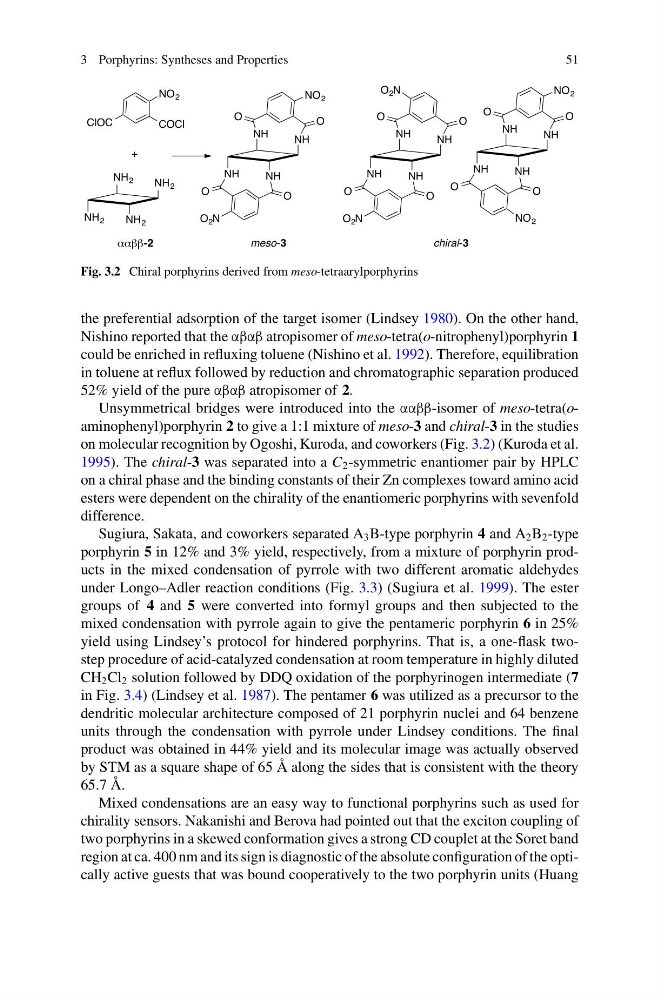
Fig. 3.2 Chiral porphyrins derived from meso-tetraarylporphyrins
the preferential adsorption of the target isomer (Lindsey 1980). On the other hand,
Nishino reported that the αβαβ atropisomer of meso-tetra(o-nitrophenyl)porphyrin 1
could be enriched in refluxing toluene (Nishino et al. 1992). Therefore, equilibration
in toluene at reflux followed by reduction and chromatographic separation produced
52% yield of the pure αβαβ atropisomer of 2.
Unsymmetrical bridges were introduced into the ααββ-isomer of meso-tetra(oaminophenyl)porphyrin 2 to give a 1:1 mixture of meso-3 and chiral-3 in the studies
on molecular recognition by Ogoshi, Kuroda, and coworkers (Fig. 3.2) (Kuroda et al.
1995). The chiral-3 was separated into a C 2 -symmetric enantiomer pair by HPLC
on a chiral phase and the binding constants of their Zn complexes toward amino acid
esters were dependent on the chirality of the enantiomeric porphyrins with sevenfold
difference.
Sugiura, Sakata, and coworkers separated A 3 B-type porphyrin 4 and A 2 B 2 -type
porphyrin 5 in 12% and 3% yield, respectively, from a mixture of porphyrin products in the mixed condensation of pyrrole with two different aromatic aldehydes
under Longo–Adler reaction conditions (Fig. 3.3) (Sugiura et al. 1999). The ester
groups of 4 and 5 were converted into formyl groups and then subjected to the
mixed condensation with pyrrole again to give the pentameric porphyrin 6 in 25%
yield using Lindsey’s protocol for hindered porphyrins. That is, a one-flask twostep procedure of acid-catalyzed condensation at room temperature in highly diluted
CH 2 Cl 2 solution followed by DDQ oxidation of the porphyrinogen intermediate (7
in Fig. 3.4) (Lindsey et al. 1987). The pentamer 6 was utilized as a precursor to the
dendritic molecular architecture composed of 21 porphyrin nuclei and 64 benzene
units through the condensation with pyrrole under Lindsey conditions. The final
product was obtained in 44% yield and its molecular image was actually observed
by STM as a square shape of 65 Å along the sides that is consistent with the theory
65.7 Å.
Mixed condensations are an easy way to functional porphyrins such as used for
chirality sensors. Nakanishi and Berova had pointed out that the exciton coupling of
two porphyrins in a skewed conformation gives a strong CD couplet at the Soret band
region at ca. 400 nm and its sign is diagnostic of the absolute configuration of the optically active guests that was bound cooperatively to the two porphyrin units (Huang
51
Fig. 3.2 Chiral porphyrins derived from meso-tetraarylporphyrins
the preferential adsorption of the target isomer (Lindsey 1980). On the other hand,
Nishino reported that the αβαβ atropisomer of meso-tetra(o-nitrophenyl)porphyrin 1
could be enriched in refluxing toluene (Nishino et al. 1992). Therefore, equilibration
in toluene at reflux followed by reduction and chromatographic separation produced
52% yield of the pure αβαβ atropisomer of 2.
Unsymmetrical bridges were introduced into the ααββ-isomer of meso-tetra(oaminophenyl)porphyrin 2 to give a 1:1 mixture of meso-3 and chiral-3 in the studies
on molecular recognition by Ogoshi, Kuroda, and coworkers (Fig. 3.2) (Kuroda et al.
1995). The chiral-3 was separated into a C 2 -symmetric enantiomer pair by HPLC
on a chiral phase and the binding constants of their Zn complexes toward amino acid
esters were dependent on the chirality of the enantiomeric porphyrins with sevenfold
difference.
Sugiura, Sakata, and coworkers separated A 3 B-type porphyrin 4 and A 2 B 2 -type
porphyrin 5 in 12% and 3% yield, respectively, from a mixture of porphyrin products in the mixed condensation of pyrrole with two different aromatic aldehydes
under Longo–Adler reaction conditions (Fig. 3.3) (Sugiura et al. 1999). The ester
groups of 4 and 5 were converted into formyl groups and then subjected to the
mixed condensation with pyrrole again to give the pentameric porphyrin 6 in 25%
yield using Lindsey’s protocol for hindered porphyrins. That is, a one-flask twostep procedure of acid-catalyzed condensation at room temperature in highly diluted
CH 2 Cl 2 solution followed by DDQ oxidation of the porphyrinogen intermediate (7
in Fig. 3.4) (Lindsey et al. 1987). The pentamer 6 was utilized as a precursor to the
dendritic molecular architecture composed of 21 porphyrin nuclei and 64 benzene
units through the condensation with pyrrole under Lindsey conditions. The final
product was obtained in 44% yield and its molecular image was actually observed
by STM as a square shape of 65 Å along the sides that is consistent with the theory
65.7 Å.
Mixed condensations are an easy way to functional porphyrins such as used for
chirality sensors. Nakanishi and Berova had pointed out that the exciton coupling of
two porphyrins in a skewed conformation gives a strong CD couplet at the Soret band
region at ca. 400 nm and its sign is diagnostic of the absolute configuration of the optically active guests that was bound cooperatively to the two porphyrin units (Huang