

The relationship between the transition dipole and the strength of a
transition (relative probability of light being absorbed) is quantified by the
oscillator strength
f =
8π
2 m e ΔE
3h
2 e
2
μ
2
ge
(6.5)
where m e is the mass of an electron. Oscillator strengths can span a very
wide range of intensities; an oscillator strength on the order of 1 represents a very strong transition.
The concept of oscillator strength also allows us to connect the molecular
or nanoscale property of the transition dipole to the bulk optical properties of a system. In the previous chapter, we discussed the refractive
index in the context of molecular polarizability and dielectric screening,
in which light is slowed down by the interaction of its electric field with
the electric fields of permanent and induced dipoles in the matter that the
light is passing through. Molecular polarizability represents a molecular
response, while the refractive index represents a bulk response. However,
as we have now observed, molecular polarization and optical transitions
involve the formation of induced dipoles in a material.
As both absorption and refraction involve polarization of a material in
response to an oscillating electric field, the refractive index can be generalized to encompass both phenomena by defining it as a complex
number, the complex refractive index
e
n = n + ik
(6.6)
HOMO (π)
LUMO (π*)
μ trans
Transition density
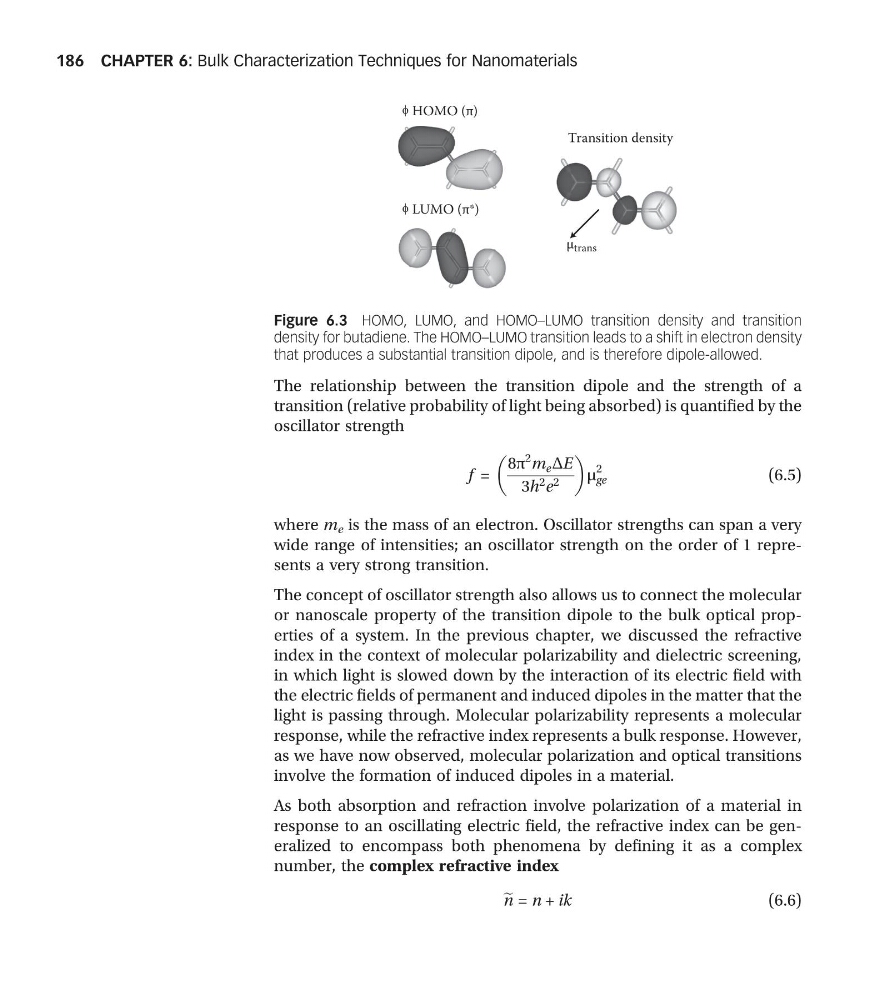
Figure 6.3 HOMO, LUMO, and HOMO–LUMO transition density and transition
density for butadiene. The HOMO–LUMO transition leads to a shift in electron density
that produces a substantial transition dipole, and is therefore dipole-allowed.
CHAPTER 6: Bulk Characterization Techniques for Nanomaterials
186
transition (relative probability of light being absorbed) is quantified by the
oscillator strength
f =
8π
2 m e ΔE
3h
2 e
2
μ
2
ge
(6.5)
where m e is the mass of an electron. Oscillator strengths can span a very
wide range of intensities; an oscillator strength on the order of 1 represents a very strong transition.
The concept of oscillator strength also allows us to connect the molecular
or nanoscale property of the transition dipole to the bulk optical properties of a system. In the previous chapter, we discussed the refractive
index in the context of molecular polarizability and dielectric screening,
in which light is slowed down by the interaction of its electric field with
the electric fields of permanent and induced dipoles in the matter that the
light is passing through. Molecular polarizability represents a molecular
response, while the refractive index represents a bulk response. However,
as we have now observed, molecular polarization and optical transitions
involve the formation of induced dipoles in a material.
As both absorption and refraction involve polarization of a material in
response to an oscillating electric field, the refractive index can be generalized to encompass both phenomena by defining it as a complex
number, the complex refractive index
e
n = n + ik
(6.6)
HOMO (π)
LUMO (π*)
μ trans
Transition density
Figure 6.3 HOMO, LUMO, and HOMO–LUMO transition density and transition
density for butadiene. The HOMO–LUMO transition leads to a shift in electron density
that produces a substantial transition dipole, and is therefore dipole-allowed.
CHAPTER 6: Bulk Characterization Techniques for Nanomaterials
186