

62 J. KRANE
-
0.5
1.0
1.5
2.0
2.5
3.0
1985
1987
1989
1991
1993
1995
1997
1999
2001
2003
2005
2007
2009
2011
2013
2015
2017
twh/y
UAE power generaƟon by sources
other than natural gas
Wind
Solar
Oil
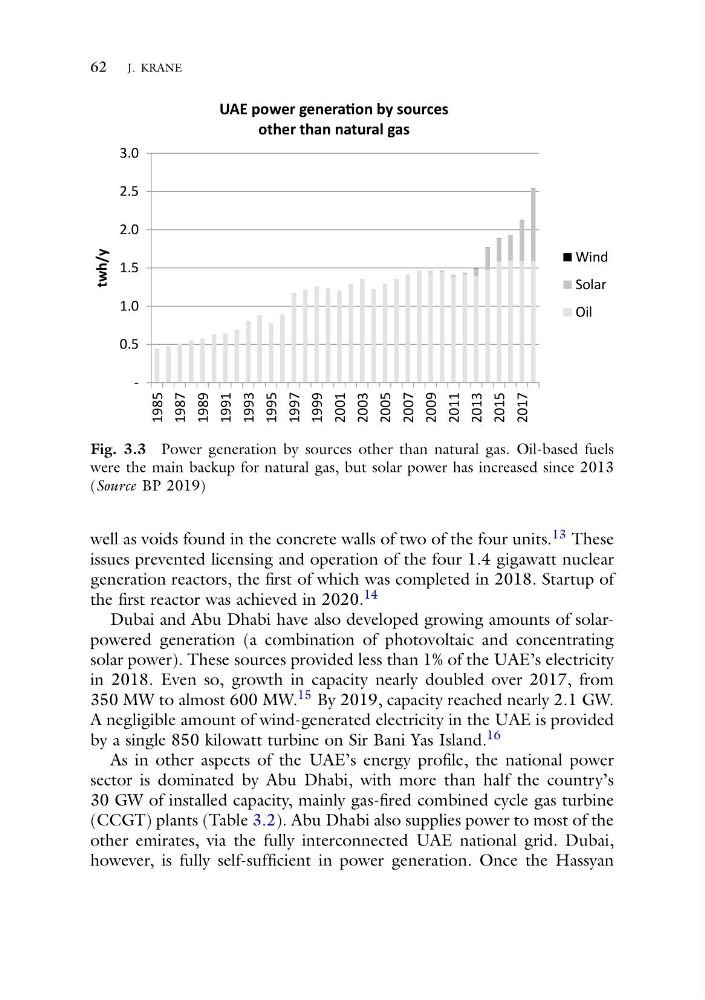
Fig. 3.3 Power generation by sources other than natural gas. Oil-based fuels
were the main backup for natural gas, but solar power has increased since 2013
(Source BP 2019)
well as voids found in the concrete walls of two of the four units. 13 These
issues prevented licensing and operation of the four 1.4 gigawatt nuclear
generation reactors, the first of which was completed in 2018. Startup of
the first reactor was achieved in 2020. 14
Dubai and Abu Dhabi have also developed growing amounts of solarpowered generation (a combination of photovoltaic and concentrating
solar power). These sources provided less than 1% of the UAE’s electricity
in 2018. Even so, growth in capacity nearly doubled over 2017, from
350 MW to almost 600 MW. 15 By 2019, capacity reached nearly 2.1 GW.
A negligible amount of wind-generated electricity in the UAE is provided
by a single 850 kilowatt turbine on Sir Bani Yas Island. 16
As in other aspects of the UAE’s energy profile, the national power
sector is dominated by Abu Dhabi, with more than half the country’s
30 GW of installed capacity, mainly gas-fired combined cycle gas turbine
(CCGT) plants (Table 3.2). Abu Dhabi also supplies power to most of the
other emirates, via the fully interconnected UAE national grid. Dubai,
however, is fully self-sufficient in power generation. Once the Hassyan
-
0.5
1.0
1.5
2.0
2.5
3.0
1985
1987
1989
1991
1993
1995
1997
1999
2001
2003
2005
2007
2009
2011
2013
2015
2017
twh/y
UAE power generaƟon by sources
other than natural gas
Wind
Solar
Oil
Fig. 3.3 Power generation by sources other than natural gas. Oil-based fuels
were the main backup for natural gas, but solar power has increased since 2013
(Source BP 2019)
well as voids found in the concrete walls of two of the four units. 13 These
issues prevented licensing and operation of the four 1.4 gigawatt nuclear
generation reactors, the first of which was completed in 2018. Startup of
the first reactor was achieved in 2020. 14
Dubai and Abu Dhabi have also developed growing amounts of solarpowered generation (a combination of photovoltaic and concentrating
solar power). These sources provided less than 1% of the UAE’s electricity
in 2018. Even so, growth in capacity nearly doubled over 2017, from
350 MW to almost 600 MW. 15 By 2019, capacity reached nearly 2.1 GW.
A negligible amount of wind-generated electricity in the UAE is provided
by a single 850 kilowatt turbine on Sir Bani Yas Island. 16
As in other aspects of the UAE’s energy profile, the national power
sector is dominated by Abu Dhabi, with more than half the country’s
30 GW of installed capacity, mainly gas-fired combined cycle gas turbine
(CCGT) plants (Table 3.2). Abu Dhabi also supplies power to most of the
other emirates, via the fully interconnected UAE national grid. Dubai,
however, is fully self-sufficient in power generation. Once the Hassyan