

1 LOW CARBON ENERGY IN THE MIDDLE EAST …
7
0
10
20
30
40
50
60
70
80
North America
Central & South America
Europe
Commonwealth of Independent States
Africa
Asia Pacific
MENA
Share (%) of low carbon energy in electricity generaƟon mix
(2019, by region)
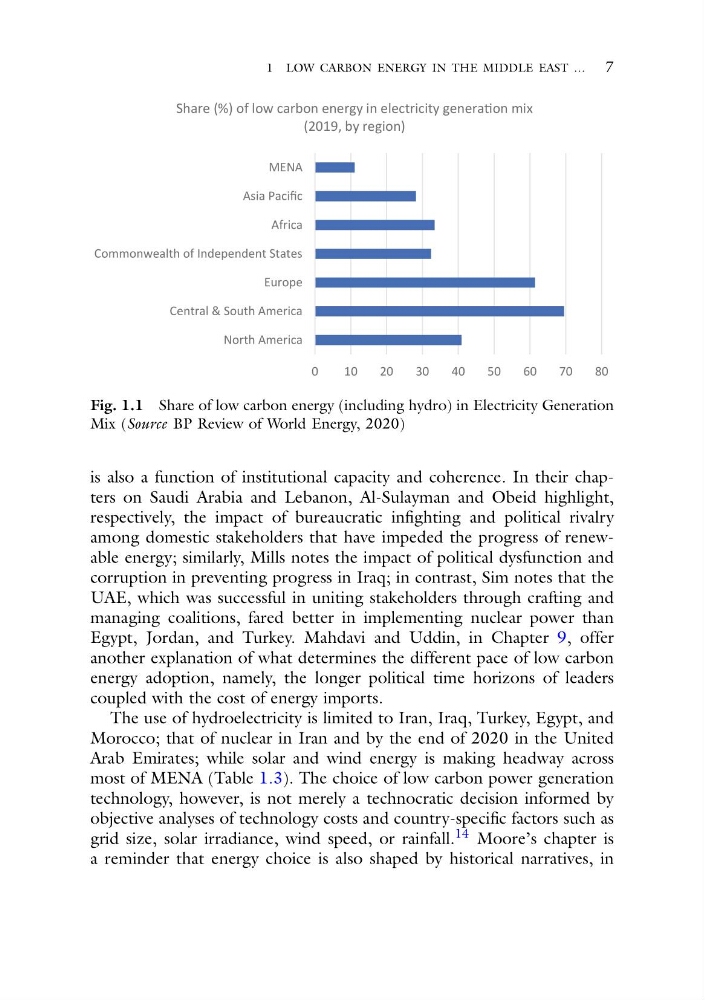
Fig. 1.1 Share of low carbon energy (including hydro) in Electricity Generation
Mix (Source BP Review of World Energy, 2020)
is also a function of institutional capacity and coherence. In their chapters on Saudi Arabia and Lebanon, Al-Sulayman and Obeid highlight,
respectively, the impact of bureaucratic infighting and political rivalry
among domestic stakeholders that have impeded the progress of renewable energy; similarly, Mills notes the impact of political dysfunction and
corruption in preventing progress in Iraq; in contrast, Sim notes that the
UAE, which was successful in uniting stakeholders through crafting and
managing coalitions, fared better in implementing nuclear power than
Egypt, Jordan, and Turkey. Mahdavi and Uddin, in Chapter 9, offer
another explanation of what determines the different pace of low carbon
energy adoption, namely, the longer political time horizons of leaders
coupled with the cost of energy imports.
The use of hydroelectricity is limited to Iran, Iraq, Turkey, Egypt, and
Morocco; that of nuclear in Iran and by the end of 2020 in the United
Arab Emirates; while solar and wind energy is making headway across
most of MENA (Table 1.3). The choice of low carbon power generation
technology, however, is not merely a technocratic decision informed by
objective analyses of technology costs and country-specific factors such as
grid size, solar irradiance, wind speed, or rainfall. 14 Moore’s chapter is
a reminder that energy choice is also shaped by historical narratives, in
7
0
10
20
30
40
50
60
70
80
North America
Central & South America
Europe
Commonwealth of Independent States
Africa
Asia Pacific
MENA
Share (%) of low carbon energy in electricity generaƟon mix
(2019, by region)
Fig. 1.1 Share of low carbon energy (including hydro) in Electricity Generation
Mix (Source BP Review of World Energy, 2020)
is also a function of institutional capacity and coherence. In their chapters on Saudi Arabia and Lebanon, Al-Sulayman and Obeid highlight,
respectively, the impact of bureaucratic infighting and political rivalry
among domestic stakeholders that have impeded the progress of renewable energy; similarly, Mills notes the impact of political dysfunction and
corruption in preventing progress in Iraq; in contrast, Sim notes that the
UAE, which was successful in uniting stakeholders through crafting and
managing coalitions, fared better in implementing nuclear power than
Egypt, Jordan, and Turkey. Mahdavi and Uddin, in Chapter 9, offer
another explanation of what determines the different pace of low carbon
energy adoption, namely, the longer political time horizons of leaders
coupled with the cost of energy imports.
The use of hydroelectricity is limited to Iran, Iraq, Turkey, Egypt, and
Morocco; that of nuclear in Iran and by the end of 2020 in the United
Arab Emirates; while solar and wind energy is making headway across
most of MENA (Table 1.3). The choice of low carbon power generation
technology, however, is not merely a technocratic decision informed by
objective analyses of technology costs and country-specific factors such as
grid size, solar irradiance, wind speed, or rainfall. 14 Moore’s chapter is
a reminder that energy choice is also shaped by historical narratives, in