

Conventional, Molecular, and Biosensor-Based Detection Methods ◾ 551
DNA Fingerprinting 6
DNA fingerprinting techniques have also been used for detection and identification of pathogens. Generally, the genomic fingerprinting methods require isolation of DNA from cells of pure
isolated colonies, restriction enzyme digestion, and amplification or hybridization of fragments
with appropriate primers or probes, which may take at least five to seven days to complete. An
automated RiboPrinter ® system, a compact robotic instrument, can perform all these tasks within
eight hours. The DNA fingerprint pattern is then compared with the built-in database, and the
precise identification is made for each bacterium. Other commonly used fingerprinting techniques
include pulsed-field gel electrophoresis (PFGE), randomly amplified polymorphic DNA (RAPD)
analysis, amplified fragment-length polymorphism (AFLP), restriction fragment-length polymorphism (RFLP), rep-PCR, and multilocus sequence typing (MLST).
Primer annealing
5´
5´
5´
5´
5´
5´
5´
5´
5´
5´
5´
5´
5´
5´
5´
5´
3´
3´
3´
3´
3´
3´
3´
3´
3´
3´
3´
3´
Denaturation
Elongation
Amplification
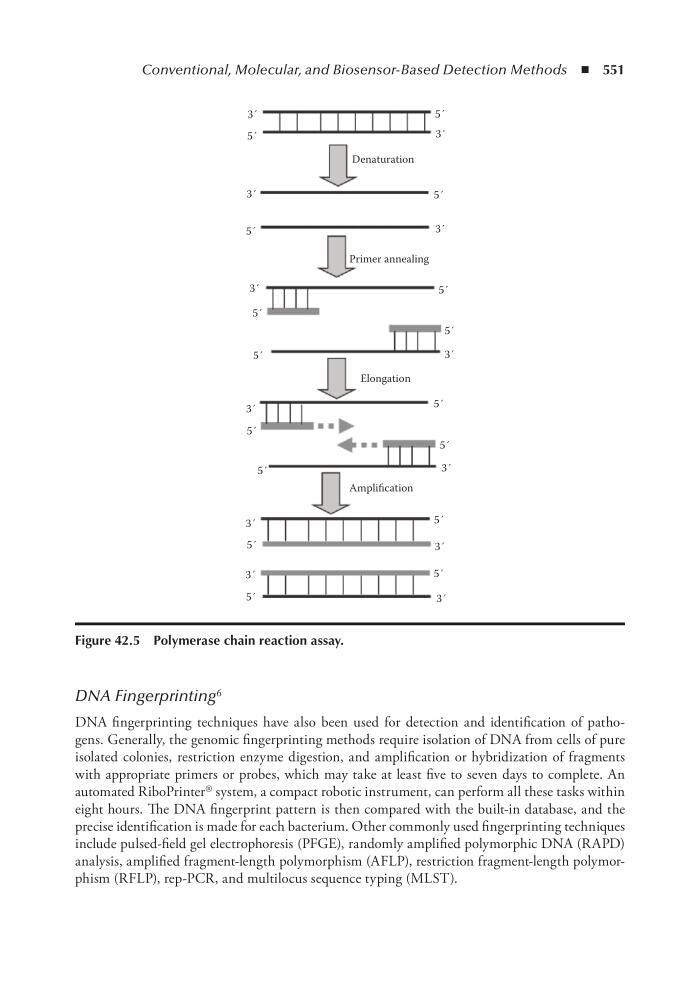
Figure 42.5 Polymerase chain reaction assay.
DNA Fingerprinting 6
DNA fingerprinting techniques have also been used for detection and identification of pathogens. Generally, the genomic fingerprinting methods require isolation of DNA from cells of pure
isolated colonies, restriction enzyme digestion, and amplification or hybridization of fragments
with appropriate primers or probes, which may take at least five to seven days to complete. An
automated RiboPrinter ® system, a compact robotic instrument, can perform all these tasks within
eight hours. The DNA fingerprint pattern is then compared with the built-in database, and the
precise identification is made for each bacterium. Other commonly used fingerprinting techniques
include pulsed-field gel electrophoresis (PFGE), randomly amplified polymorphic DNA (RAPD)
analysis, amplified fragment-length polymorphism (AFLP), restriction fragment-length polymorphism (RFLP), rep-PCR, and multilocus sequence typing (MLST).
Primer annealing
5´
5´
5´
5´
5´
5´
5´
5´
5´
5´
5´
5´
5´
5´
5´
5´
3´
3´
3´
3´
3´
3´
3´
3´
3´
3´
3´
3´
Denaturation
Elongation
Amplification
Figure 42.5 Polymerase chain reaction assay.