

Bacterial Pathogens, Mycotoxins, Viruses, Parasites, and Fish Toxins ◾ 399
bacteria growing in fish catalyzes l-histidine to histamine. The most important bacterial species
associated with histamine production in fish is Morganella morganii. Several other species are also
found, namely, Klebsiella pneumoniae, Proteus spp., Enterobacter aerogenes, Hafnia alvei, and Vibrio
alginolyticus. In fermented fish products, several Lactobacillus spp. have also been implicated in
histamine production.
The symptoms of histamine poisoning include gastrointestinal (nausea, vomiting, abdominal cramps, and diarrhea), neurological (tingling, flushing, palpitations, headache, burning, and
itching), cutaneous (hives, rash), and hypotension. Generally, high levels of histamine in fish are
necessary to produce the symptoms. The FDA hazard action level is currently set at 50 ppm in
fish. A histamine level of 20 ppm indicates temperature abuse in products. Depending on the
histamine concentrations and susceptibility of an individual, symptoms can occur very quickly;
generally within one hour. Histamine poisoning is not fatal. However, the reactions can be severe
in individuals allergic to histamine.
Histamine poisoning from fish is a worldwide problem. The frequency of incidence is probably directly related to the popularity of fish and the methods used in preservation from harvest
to consumption. In the United States, between 1973 and 1987, there were 202 incidents affecting
1216 people. The frequency of incidence seemed to increase as there were 83 incidents between
1983 and 1987. Finfishes were involved in 81 of 83 incidents; 62.6% occurred with fish served in
restaurants, and 26.5% occurred at home. The most important factor was improper holding temperature of fish (which caused the fish to decompose). Seasonal variation is not apparent, probably
because fish is eaten in the United States throughout the year.
As the consumption of fish increases, the incidence of histamine poisoning is expected to rise.
The most important control measure will be to store fish by freezing or by refrigeration at <1°C for
a limited time. In addition, proper sanitation to reduce contamination with histamine-producing
bacteria will be important. Cleaning fish soon after catching can also reduce the autolytic effect
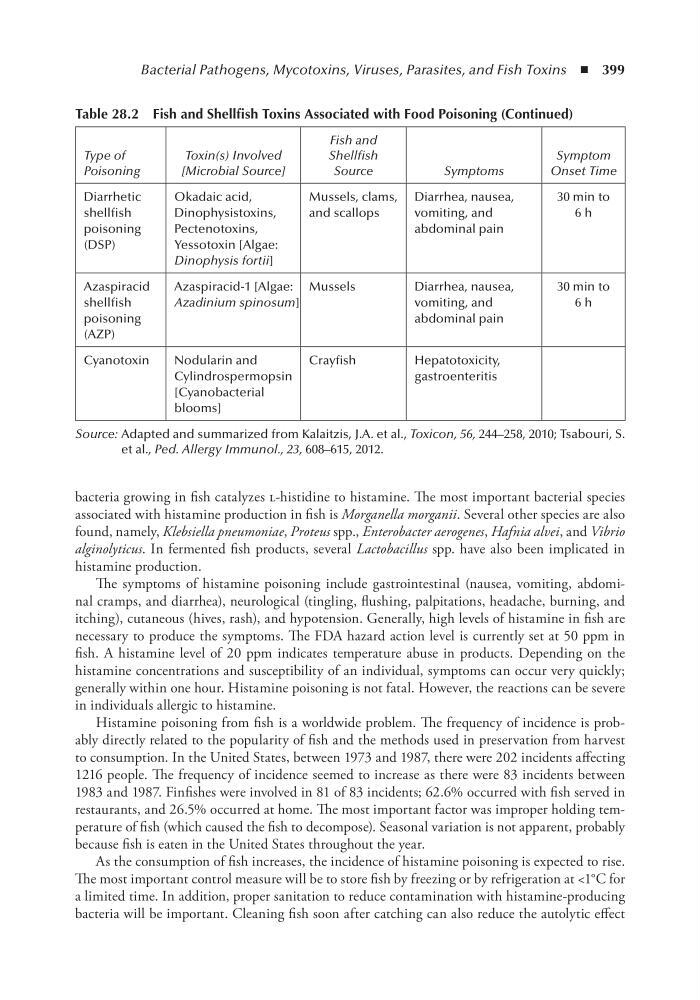
table 28.2 Fish and Shellfish toxins Associated with Food Poisoning (Continued)
Type of
Poisoning
Toxin(s) Involved
[Microbial Source]
Fish and
Shellfish
Source
Symptoms
Symptom
Onset Time
Diarrhetic
shellfish
poisoning
(DSP)
Okadaic acid,
Dinophysistoxins,
Pectenotoxins,
Yessotoxin [Algae:
Dinophysis fortii]
Mussels, clams,
and scallops
Diarrhea, nausea,
vomiting, and
abdominal pain
30 min to
6 h
Azaspiracid
shellfish
poisoning
(AZP)
Azaspiracid-1 [Algae:
Azadinium spinosum]
Mussels
Diarrhea, nausea,
vomiting, and
abdominal pain
30 min to
6 h
Cyanotoxin
Nodularin and
Cylindrospermopsin
[Cyanobacterial
blooms]
Crayfish
Hepatotoxicity,
gastroenteritis
Source: Adapted and summarized from Kalaitzis, J.A. et al., Toxicon, 56, 244–258, 2010; Tsabouri, S.
et al., Ped. Allergy Immunol., 23, 608–615, 2012.
bacteria growing in fish catalyzes l-histidine to histamine. The most important bacterial species
associated with histamine production in fish is Morganella morganii. Several other species are also
found, namely, Klebsiella pneumoniae, Proteus spp., Enterobacter aerogenes, Hafnia alvei, and Vibrio
alginolyticus. In fermented fish products, several Lactobacillus spp. have also been implicated in
histamine production.
The symptoms of histamine poisoning include gastrointestinal (nausea, vomiting, abdominal cramps, and diarrhea), neurological (tingling, flushing, palpitations, headache, burning, and
itching), cutaneous (hives, rash), and hypotension. Generally, high levels of histamine in fish are
necessary to produce the symptoms. The FDA hazard action level is currently set at 50 ppm in
fish. A histamine level of 20 ppm indicates temperature abuse in products. Depending on the
histamine concentrations and susceptibility of an individual, symptoms can occur very quickly;
generally within one hour. Histamine poisoning is not fatal. However, the reactions can be severe
in individuals allergic to histamine.
Histamine poisoning from fish is a worldwide problem. The frequency of incidence is probably directly related to the popularity of fish and the methods used in preservation from harvest
to consumption. In the United States, between 1973 and 1987, there were 202 incidents affecting
1216 people. The frequency of incidence seemed to increase as there were 83 incidents between
1983 and 1987. Finfishes were involved in 81 of 83 incidents; 62.6% occurred with fish served in
restaurants, and 26.5% occurred at home. The most important factor was improper holding temperature of fish (which caused the fish to decompose). Seasonal variation is not apparent, probably
because fish is eaten in the United States throughout the year.
As the consumption of fish increases, the incidence of histamine poisoning is expected to rise.
The most important control measure will be to store fish by freezing or by refrigeration at <1°C for
a limited time. In addition, proper sanitation to reduce contamination with histamine-producing
bacteria will be important. Cleaning fish soon after catching can also reduce the autolytic effect
table 28.2 Fish and Shellfish toxins Associated with Food Poisoning (Continued)
Type of
Poisoning
Toxin(s) Involved
[Microbial Source]
Fish and
Shellfish
Source
Symptoms
Symptom
Onset Time
Diarrhetic
shellfish
poisoning
(DSP)
Okadaic acid,
Dinophysistoxins,
Pectenotoxins,
Yessotoxin [Algae:
Dinophysis fortii]
Mussels, clams,
and scallops
Diarrhea, nausea,
vomiting, and
abdominal pain
30 min to
6 h
Azaspiracid
shellfish
poisoning
(AZP)
Azaspiracid-1 [Algae:
Azadinium spinosum]
Mussels
Diarrhea, nausea,
vomiting, and
abdominal pain
30 min to
6 h
Cyanotoxin
Nodularin and
Cylindrospermopsin
[Cyanobacterial
blooms]
Crayfish
Hepatotoxicity,
gastroenteritis
Source: Adapted and summarized from Kalaitzis, J.A. et al., Toxicon, 56, 244–258, 2010; Tsabouri, S.
et al., Ped. Allergy Immunol., 23, 608–615, 2012.