

396 ◾ Fundamental Food Microbiology
Food Association
The growth of toxigenic mold strains and the presence of specific mycotoxins have been detected in
many foods. These include corn, wheat, barley, rye, rice, beans, peas, peanuts, bread, cheeses, dry
sausages, spices, apple cider, grain meals, dough cassava, cottonseeds, and spaghetti. Consumption
of mycotoxin-contaminated food can cause mycotoxicosis in humans. Feeding moldy products to
food animals (including moldy silage) and birds can also produce foods of animal origin (milk,
eggs) that are contaminated with mycotoxins. Many of the mycotoxins are resistant to heat used
in the normal preparation of foods. Thus their elimination by heating is not used as a means to
remove them from foods. In the United States, the regulatory agencies have set limits of aflatoxins
in peanut butter (<20 ppb) and milk (<2 ppb).
Symptoms and Prevention of Mycotoxicosis 15
Mycotoxins, if consumed at high dosage, cause acute to chronic diseases, and they are mutagenic,
carcinogenic, and teratogenic. The symptoms may range from skin irritation, vomiting, immunosuppression, birth defects, cancer, liver cancer, hepatotoxicity, liver hemorrhage, kidney damage (nephrotoxicity), neurotoxicity, brain and lung hemorrhage, and death. In preventing human
mycotoxicosis, the contamination of food with toxigenic mold strains (or all molds, unless necessary) should be reduced. This is relatively difficult to achieve, but proper packaging can be used
to reduce the incidence. Heat treatment, where possible, can also reduce the load by killing the
molds and their spores. Preventing growth in food (and feeds) should be a major consideration in
reducing the incidence of human mycotoxicosis. This can be achieved by using anaerobic packaging, reducing A W where possible to ≤0.6, freezing, and by using specific preservatives against mold
growth. A product in which molds have grown should not be consumed. Although trimming of
foods showing mold growth is a common practice, one cannot be sure that the remaining portion is free of mycotoxins. Under commercial operations, removal of some mycotoxins (aflatoxins)
from foods or food ingredients has been studied. Generally, solvent extraction methods have been
used. Finally, treatment of some foods or food ingredients with suitable chemicals to inactivate
mycotoxins, such as aflatoxins, has also been studied. Some chemicals (e.g., ammonia, hydrogen
peroxide, and sodium hypochlorite) were found to inactivate aflatoxins.
Aflatoxin B1
Fumonisin B1
Patulin
Ochratoxin A
Zearalenone
H
H
O
O
O
O
O
O
O
O
O
O
O
O
OCH 3
3
3
3
3
COOH
COOH
COOH
HOOC
HOOC
HO
OH OH
OH
OH OH
OH
CH
C
C
N
H
O
O
O
O
HO
HO
CH 3
CH
CH
NH
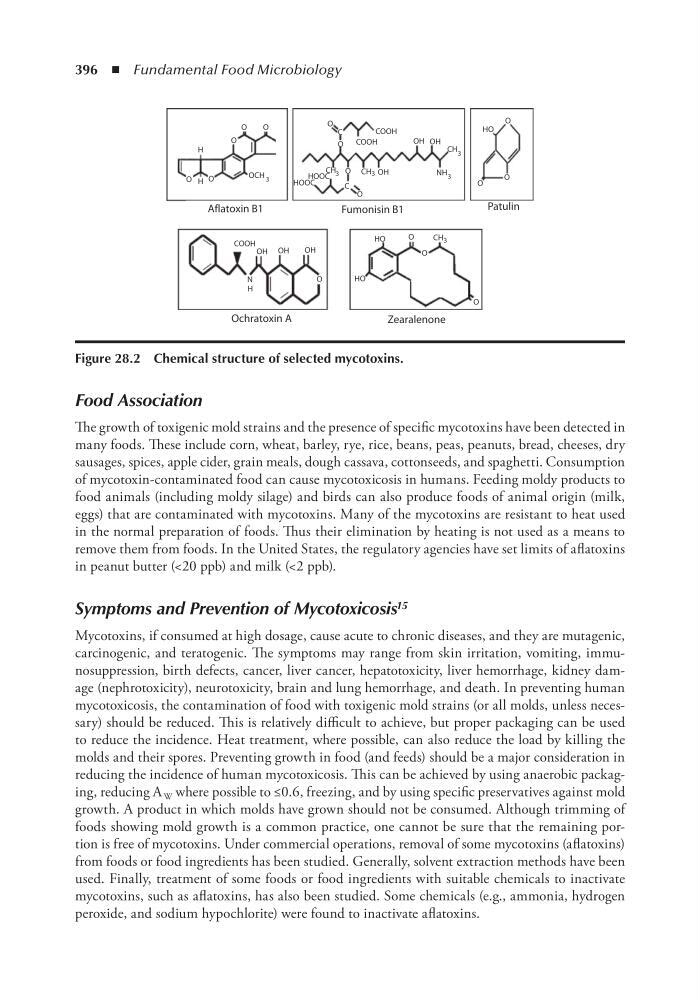
Figure 28.2 Chemical structure of selected mycotoxins.
Food Association
The growth of toxigenic mold strains and the presence of specific mycotoxins have been detected in
many foods. These include corn, wheat, barley, rye, rice, beans, peas, peanuts, bread, cheeses, dry
sausages, spices, apple cider, grain meals, dough cassava, cottonseeds, and spaghetti. Consumption
of mycotoxin-contaminated food can cause mycotoxicosis in humans. Feeding moldy products to
food animals (including moldy silage) and birds can also produce foods of animal origin (milk,
eggs) that are contaminated with mycotoxins. Many of the mycotoxins are resistant to heat used
in the normal preparation of foods. Thus their elimination by heating is not used as a means to
remove them from foods. In the United States, the regulatory agencies have set limits of aflatoxins
in peanut butter (<20 ppb) and milk (<2 ppb).
Symptoms and Prevention of Mycotoxicosis 15
Mycotoxins, if consumed at high dosage, cause acute to chronic diseases, and they are mutagenic,
carcinogenic, and teratogenic. The symptoms may range from skin irritation, vomiting, immunosuppression, birth defects, cancer, liver cancer, hepatotoxicity, liver hemorrhage, kidney damage (nephrotoxicity), neurotoxicity, brain and lung hemorrhage, and death. In preventing human
mycotoxicosis, the contamination of food with toxigenic mold strains (or all molds, unless necessary) should be reduced. This is relatively difficult to achieve, but proper packaging can be used
to reduce the incidence. Heat treatment, where possible, can also reduce the load by killing the
molds and their spores. Preventing growth in food (and feeds) should be a major consideration in
reducing the incidence of human mycotoxicosis. This can be achieved by using anaerobic packaging, reducing A W where possible to ≤0.6, freezing, and by using specific preservatives against mold
growth. A product in which molds have grown should not be consumed. Although trimming of
foods showing mold growth is a common practice, one cannot be sure that the remaining portion is free of mycotoxins. Under commercial operations, removal of some mycotoxins (aflatoxins)
from foods or food ingredients has been studied. Generally, solvent extraction methods have been
used. Finally, treatment of some foods or food ingredients with suitable chemicals to inactivate
mycotoxins, such as aflatoxins, has also been studied. Some chemicals (e.g., ammonia, hydrogen
peroxide, and sodium hypochlorite) were found to inactivate aflatoxins.
Aflatoxin B1
Fumonisin B1
Patulin
Ochratoxin A
Zearalenone
H
H
O
O
O
O
O
O
O
O
O
O
O
O
OCH 3
3
3
3
3
COOH
COOH
COOH
HOOC
HOOC
HO
OH OH
OH
OH OH
OH
CH
C
C
N
H
O
O
O
O
HO
HO
CH 3
CH
CH
NH
Figure 28.2 Chemical structure of selected mycotoxins.