

350 ◾ Fundamental Food Microbiology
Detection Method
The most commonly used method involves preenrichment and enrichment steps in recommended
broths and streaking on specific selective-differential agar media plates. The suspected colonies are
then tested for biochemical and serological profiles. Several rapid methods have also been developed based on immunological characteristics and nucleic acid base sequences (see Chapter 42).
A Case Study
In December of 1988 in Oklahoma, a cancer patient developed septic listeriosis after consumption
of turkey franks following heating in a microwave oven. 17 Lis. monocytogenes serotype 1/2a was isolated from the patient, from the remaining franks in the opened package (in high numbers) in the
refrigerator, and several other foods in the same refrigerator. Isolation of the same serotype from
unopened packages (in low numbers) of the same brand of turkey franks facilitated the regulatory
agency’s determination that the contaminated turkey franks were the cause of this foodborne listeriosis. Subsequent investigations, by the regulatory agencies after four months, revealed that the
plant processing this brand of franks had the same serotype of Lis. monocytogenes (as well as other
serotypes) in the processing environment, and the heated franks were recontaminated from the
conveyor belt following peeling of casings and before repackaging (see Chapter 29).
This incidence reveals several important aspects of foodborne human listeriosis: (1) the person affected with listeriosis is immunocompromised; (2) ready-to-eat franks were the source of
the pathogenic serotype; (3) microwave heating, the way used by the individual, did not kill
the pathogen; (4) the pathogen grew during refrigerated storage in the franks; (5) several other
foods in the same refrigerator were also cross-contaminated; (6) the pathogenic strain was present in the processing environment (along with other serotypes) even after four months; and
(7) recontamination of franks following heating occurred from contaminated equipment prior
to packaging.
To control this incidence of listeriosis, proper sanitation of the processing plant would be the
primary requirement. At the consumer level, the incident indicates the importance of proper heating of the product before eating (and prevention of cross-contamination of refrigerated ready-toeat food, especially by the high risk individual).
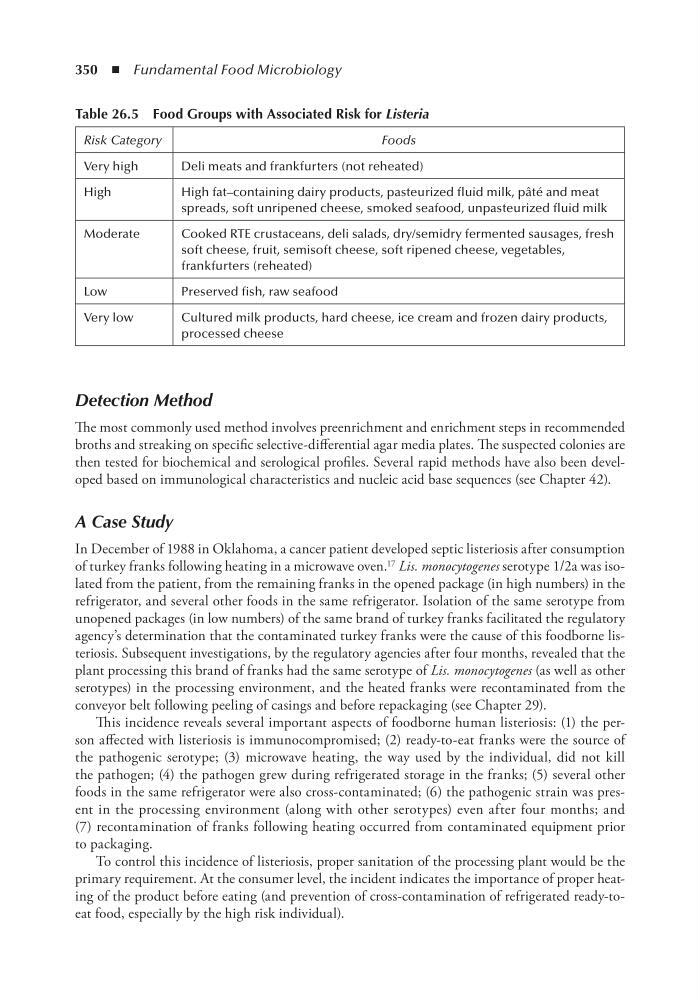
table 26.5 Food Groups with Associated Risk for Listeria
Risk Category
Foods
Very high
Deli meats and frankfurters (not reheated)
High
High fat–containing dairy products, pasteurized fluid milk, pâté and meat
spreads, soft unripened cheese, smoked seafood, unpasteurized fluid milk
Moderate
Cooked RTE crustaceans, deli salads, dry/semidry fermented sausages, fresh
soft cheese, fruit, semisoft cheese, soft ripened cheese, vegetables,
frankfurters (reheated)
Low
Preserved fish, raw seafood
Very low
Cultured milk products, hard cheese, ice cream and frozen dairy products,
processed cheese
Detection Method
The most commonly used method involves preenrichment and enrichment steps in recommended
broths and streaking on specific selective-differential agar media plates. The suspected colonies are
then tested for biochemical and serological profiles. Several rapid methods have also been developed based on immunological characteristics and nucleic acid base sequences (see Chapter 42).
A Case Study
In December of 1988 in Oklahoma, a cancer patient developed septic listeriosis after consumption
of turkey franks following heating in a microwave oven. 17 Lis. monocytogenes serotype 1/2a was isolated from the patient, from the remaining franks in the opened package (in high numbers) in the
refrigerator, and several other foods in the same refrigerator. Isolation of the same serotype from
unopened packages (in low numbers) of the same brand of turkey franks facilitated the regulatory
agency’s determination that the contaminated turkey franks were the cause of this foodborne listeriosis. Subsequent investigations, by the regulatory agencies after four months, revealed that the
plant processing this brand of franks had the same serotype of Lis. monocytogenes (as well as other
serotypes) in the processing environment, and the heated franks were recontaminated from the
conveyor belt following peeling of casings and before repackaging (see Chapter 29).
This incidence reveals several important aspects of foodborne human listeriosis: (1) the person affected with listeriosis is immunocompromised; (2) ready-to-eat franks were the source of
the pathogenic serotype; (3) microwave heating, the way used by the individual, did not kill
the pathogen; (4) the pathogen grew during refrigerated storage in the franks; (5) several other
foods in the same refrigerator were also cross-contaminated; (6) the pathogenic strain was present in the processing environment (along with other serotypes) even after four months; and
(7) recontamination of franks following heating occurred from contaminated equipment prior
to packaging.
To control this incidence of listeriosis, proper sanitation of the processing plant would be the
primary requirement. At the consumer level, the incident indicates the importance of proper heating of the product before eating (and prevention of cross-contamination of refrigerated ready-toeat food, especially by the high risk individual).
table 26.5 Food Groups with Associated Risk for Listeria
Risk Category
Foods
Very high
Deli meats and frankfurters (not reheated)
High
High fat–containing dairy products, pasteurized fluid milk, pâté and meat
spreads, soft unripened cheese, smoked seafood, unpasteurized fluid milk
Moderate
Cooked RTE crustaceans, deli salads, dry/semidry fermented sausages, fresh
soft cheese, fruit, semisoft cheese, soft ripened cheese, vegetables,
frankfurters (reheated)
Low
Preserved fish, raw seafood
Very low
Cultured milk products, hard cheese, ice cream and frozen dairy products,
processed cheese