

282 ◾ Fundamental Food Microbiology
was a slight off-odor (no H 2 S) in the gas or meat; the meat pH was 5.6, and microbiological analysis revealed large numbers (1–4 × 10 7 /g) of psychrotrophic lactic acid bacteria, mainly Leu. mesenteroides and two atypical Lactobacillus spp. (as determined from biochemical and physiological
reaction patterns). APCs were ≤1 × 10 5 /g, and Gram-negatives were ≤10 3 /g. The most predominant
Lactobacillus sp. is heterofermentative and has atypical morphology, and its biochemical profile
(by API system) does not match that of any known species. Following storage of the meat for
approximately six weeks at refrigerated temperatures, psychrotrophic lactic acid bacterial counts
increased to approximately 1.5 × 10 8 /g (with APC ~ 2.7 × 10 7 /g), the pH increased to 6.2, the gas
had slight H 2 S, and the meat had a strong putrid odor. It was suspected that initial gas formation
was a result of the metabolism of carbohydrates in meat by heterofermentative psychrotrophic lactic acid bacteria. During extended storage, lactic acid bacteria as well as other bacteria (especially
Gram-negative) assimilated amino acids, including sulfur-containing amino acids, and produced
the offensive odor.
Egg Odor in Refrigerated Fresh Chicken Meat Products
Skinless and boneless chicken breast meat were diced and marinated (the mixture contained different ingredients, including 1.2% salt and 1.8% sodium lactate), vacuum packaged, and stored at
30°F (–1.1°C). The pH of the product was 6.0–6.2. Within seven days, the products developed a
mild egg odor that increased in intensity during the expected storage life of 28 days.
Vacuum-packaged samples (four days and 24 days old) were received in ice pack containers
and analyzed within 24 hours. Duplicate samples were tested for each microbial group examined.
There was no gas or exudate accumulation in the bags, but in the 24-day-old samples the bags were
slightly loose. Following opening, the fresh samples had a chicken odor, but the old samples had
a distinct egg odor and were positive for the presence of H 2 S (tested with lead acetate). The pH of
both groups of products was 6.0. The bacterial groups enumerated were APCs (35°C for two days)
and psychrotrophic counts (10°C for seven days), both with plate count agar; lactic acid bacteria
(35°C for two days) in MRS-agar (adjusted to pH 5.0); coliforms (35°C for one day) in violet red
bile agar; and Enterobacteriaceae (35°C for two days) in violet red bile glucose agar media. Aliquots
from appropriate dilutions were pour-plated in duplicate for each dilution.
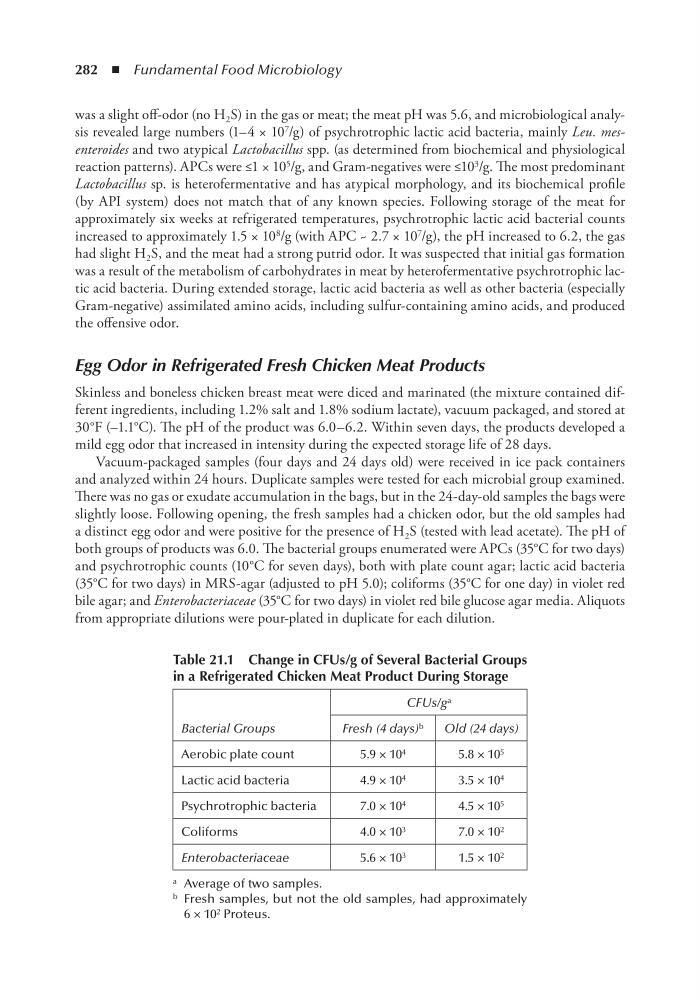
table 21.1 Change in CFUs/g of Several Bacterial Groups
in a Refrigerated Chicken Meat Product During Storage
Bacterial Groups
CFUs/g a
Fresh (4 days) b
Old (24 days)
Aerobic plate count
5.9 × 10 4
5.8 × 10 5
Lactic acid bacteria
4.9 × 10 4
3.5 × 10 4
Psychrotrophic bacteria
7.0 × 10 4
4.5 × 10 5
Coliforms
4.0 × 10 3
7.0 × 10 2
Enterobacteriaceae
5.6 × 10 3
1.5 × 10 2
a Average of two samples.
b Fresh samples, but not the old samples, had approximately
6 × 10 2 Proteus.
was a slight off-odor (no H 2 S) in the gas or meat; the meat pH was 5.6, and microbiological analysis revealed large numbers (1–4 × 10 7 /g) of psychrotrophic lactic acid bacteria, mainly Leu. mesenteroides and two atypical Lactobacillus spp. (as determined from biochemical and physiological
reaction patterns). APCs were ≤1 × 10 5 /g, and Gram-negatives were ≤10 3 /g. The most predominant
Lactobacillus sp. is heterofermentative and has atypical morphology, and its biochemical profile
(by API system) does not match that of any known species. Following storage of the meat for
approximately six weeks at refrigerated temperatures, psychrotrophic lactic acid bacterial counts
increased to approximately 1.5 × 10 8 /g (with APC ~ 2.7 × 10 7 /g), the pH increased to 6.2, the gas
had slight H 2 S, and the meat had a strong putrid odor. It was suspected that initial gas formation
was a result of the metabolism of carbohydrates in meat by heterofermentative psychrotrophic lactic acid bacteria. During extended storage, lactic acid bacteria as well as other bacteria (especially
Gram-negative) assimilated amino acids, including sulfur-containing amino acids, and produced
the offensive odor.
Egg Odor in Refrigerated Fresh Chicken Meat Products
Skinless and boneless chicken breast meat were diced and marinated (the mixture contained different ingredients, including 1.2% salt and 1.8% sodium lactate), vacuum packaged, and stored at
30°F (–1.1°C). The pH of the product was 6.0–6.2. Within seven days, the products developed a
mild egg odor that increased in intensity during the expected storage life of 28 days.
Vacuum-packaged samples (four days and 24 days old) were received in ice pack containers
and analyzed within 24 hours. Duplicate samples were tested for each microbial group examined.
There was no gas or exudate accumulation in the bags, but in the 24-day-old samples the bags were
slightly loose. Following opening, the fresh samples had a chicken odor, but the old samples had
a distinct egg odor and were positive for the presence of H 2 S (tested with lead acetate). The pH of
both groups of products was 6.0. The bacterial groups enumerated were APCs (35°C for two days)
and psychrotrophic counts (10°C for seven days), both with plate count agar; lactic acid bacteria
(35°C for two days) in MRS-agar (adjusted to pH 5.0); coliforms (35°C for one day) in violet red
bile agar; and Enterobacteriaceae (35°C for two days) in violet red bile glucose agar media. Aliquots
from appropriate dilutions were pour-plated in duplicate for each dilution.
table 21.1 Change in CFUs/g of Several Bacterial Groups
in a Refrigerated Chicken Meat Product During Storage
Bacterial Groups
CFUs/g a
Fresh (4 days) b
Old (24 days)
Aerobic plate count
5.9 × 10 4
5.8 × 10 5
Lactic acid bacteria
4.9 × 10 4
3.5 × 10 4
Psychrotrophic bacteria
7.0 × 10 4
4.5 × 10 5
Coliforms
4.0 × 10 3
7.0 × 10 2
Enterobacteriaceae
5.6 × 10 3
1.5 × 10 2
a Average of two samples.
b Fresh samples, but not the old samples, had approximately
6 × 10 2 Proteus.