

424
A. R. Tom
52%
52%
54%
54%
58.50
59.40
61.75
61.79
56.00
57.00
58.00
59.00
60.00
61.00
62.00
63.00
50%
51%
51%
52%
52%
53%
53%
54%
54%
55%
EA1 2004
EA3A 2004
EA1A 2012
PSA R-Factor
Oil Price $/bbl
METR
Kingfisher & Kaiso Tonya Project - METR and Break Even
Price at 12.5% Hurdle Rate
Marginal Effective Tax Rate (METR)
Breakeven price
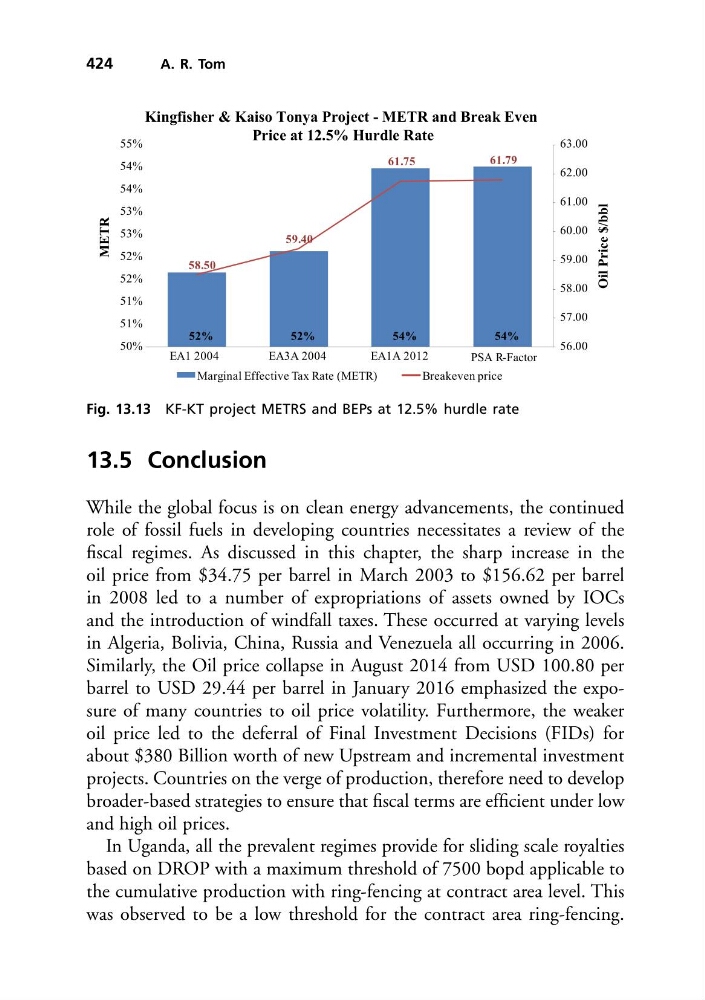
Fig. 13.13 KF-KT project METRS and BEPs at 12.5% hurdle rate
13.5 Conclusion
While the global focus is on clean energy advancements, the continued
role of fossil fuels in developing countries necessitates a review of the
fiscal regimes. As discussed in this chapter, the sharp increase in the
oil price from $34.75 per barrel in March 2003 to $156.62 per barrel
in 2008 led to a number of expropriations of assets owned by IOCs
and the introduction of windfall taxes. These occurred at varying levels
in Algeria, Bolivia, China, Russia and Venezuela all occurring in 2006.
Similarly, the Oil price collapse in August 2014 from USD 100.80 per
barrel to USD 29.44 per barrel in January 2016 emphasized the exposure of many countries to oil price volatility. Furthermore, the weaker
oil price led to the deferral of Final Investment Decisions (FIDs) for
about $380 Billion worth of new Upstream and incremental investment
projects. Countries on the verge of production, therefore need to develop
broader-based strategies to ensure that fiscal terms are efficient under low
and high oil prices.
In Uganda, all the prevalent regimes provide for sliding scale royalties
based on DROP with a maximum threshold of 7500 bopd applicable to
the cumulative production with ring-fencing at contract area level. This
was observed to be a low threshold for the contract area ring-fencing.
A. R. Tom
52%
52%
54%
54%
58.50
59.40
61.75
61.79
56.00
57.00
58.00
59.00
60.00
61.00
62.00
63.00
50%
51%
51%
52%
52%
53%
53%
54%
54%
55%
EA1 2004
EA3A 2004
EA1A 2012
PSA R-Factor
Oil Price $/bbl
METR
Kingfisher & Kaiso Tonya Project - METR and Break Even
Price at 12.5% Hurdle Rate
Marginal Effective Tax Rate (METR)
Breakeven price
Fig. 13.13 KF-KT project METRS and BEPs at 12.5% hurdle rate
13.5 Conclusion
While the global focus is on clean energy advancements, the continued
role of fossil fuels in developing countries necessitates a review of the
fiscal regimes. As discussed in this chapter, the sharp increase in the
oil price from $34.75 per barrel in March 2003 to $156.62 per barrel
in 2008 led to a number of expropriations of assets owned by IOCs
and the introduction of windfall taxes. These occurred at varying levels
in Algeria, Bolivia, China, Russia and Venezuela all occurring in 2006.
Similarly, the Oil price collapse in August 2014 from USD 100.80 per
barrel to USD 29.44 per barrel in January 2016 emphasized the exposure of many countries to oil price volatility. Furthermore, the weaker
oil price led to the deferral of Final Investment Decisions (FIDs) for
about $380 Billion worth of new Upstream and incremental investment
projects. Countries on the verge of production, therefore need to develop
broader-based strategies to ensure that fiscal terms are efficient under low
and high oil prices.
In Uganda, all the prevalent regimes provide for sliding scale royalties
based on DROP with a maximum threshold of 7500 bopd applicable to
the cumulative production with ring-fencing at contract area level. This
was observed to be a low threshold for the contract area ring-fencing.