

84
S. B. Christensen et al.
ER/SR
SERCA
1
SERCA
SERCA
Ca
2+
Ca
2+
Ca
2+
PERK
IRE1
LC38
DR5
Casp8
Casp3
APOPTOSIS
ATF4
CHOP
XPB1
JNK
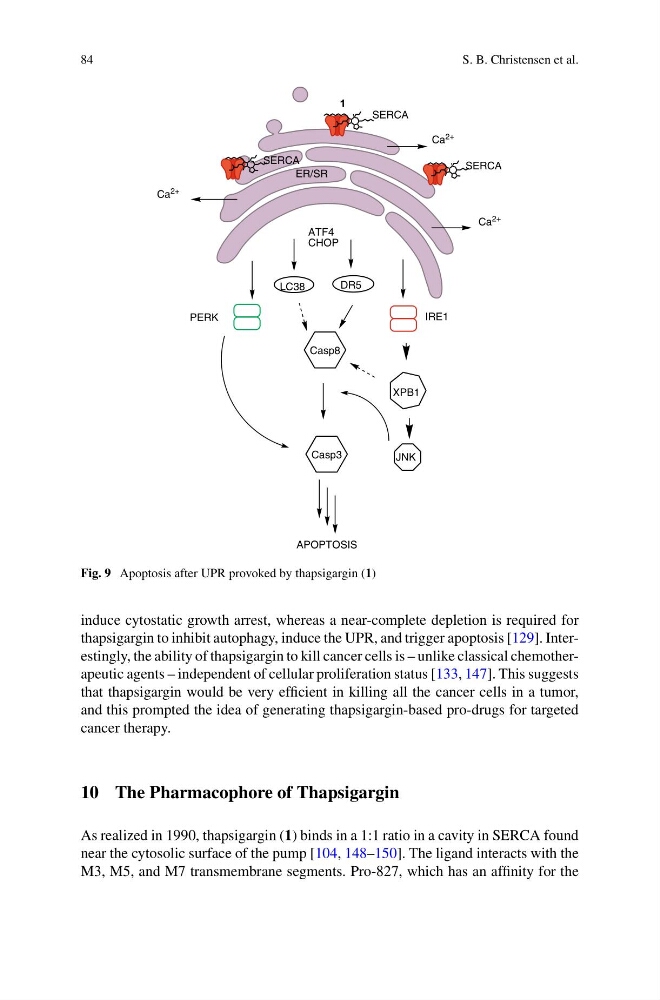
Fig. 9 Apoptosis after UPR provoked by thapsigargin (1)
induce cytostatic growth arrest, whereas a near-complete depletion is required for
thapsigargin to inhibit autophagy, induce the UPR, and trigger apoptosis [129]. Interestingly, the ability of thapsigargin to kill cancer cells is – unlike classical chemotherapeutic agents – independent of cellular proliferation status [133, 147]. This suggests
that thapsigargin would be very efficient in killing all the cancer cells in a tumor,
and this prompted the idea of generating thapsigargin-based pro-drugs for targeted
cancer therapy.
10 The Pharmacophore of Thapsigargin
As realized in 1990, thapsigargin (1) binds in a 1:1 ratio in a cavity in SERCA found
near the cytosolic surface of the pump [104, 148–150]. The ligand interacts with the
M3, M5, and M7 transmembrane segments. Pro-827, which has an affinity for the
S. B. Christensen et al.
ER/SR
SERCA
1
SERCA
SERCA
Ca
2+
Ca
2+
Ca
2+
PERK
IRE1
LC38
DR5
Casp8
Casp3
APOPTOSIS
ATF4
CHOP
XPB1
JNK
Fig. 9 Apoptosis after UPR provoked by thapsigargin (1)
induce cytostatic growth arrest, whereas a near-complete depletion is required for
thapsigargin to inhibit autophagy, induce the UPR, and trigger apoptosis [129]. Interestingly, the ability of thapsigargin to kill cancer cells is – unlike classical chemotherapeutic agents – independent of cellular proliferation status [133, 147]. This suggests
that thapsigargin would be very efficient in killing all the cancer cells in a tumor,
and this prompted the idea of generating thapsigargin-based pro-drugs for targeted
cancer therapy.
10 The Pharmacophore of Thapsigargin
As realized in 1990, thapsigargin (1) binds in a 1:1 ratio in a cavity in SERCA found
near the cytosolic surface of the pump [104, 148–150]. The ligand interacts with the
M3, M5, and M7 transmembrane segments. Pro-827, which has an affinity for the