

42
B. Schmidt
similar spectra. The detailed analysis of mass spectra of diverse macrolactones from
natural sources by Schulz et al. has helped to elucidate characteristic fragmentation
mechanisms and deduce rules that allow a tentative assignment of the ring size and to
some extent the position of endocyclic double bonds and the location of substituents
[145]. There are, however, some limitations: stereoisomers normally do not have
distinctive fragmentation patterns and the elucidation of substitution patterns can also
remain ambiguous after analysis of the mass spectra. In these cases stereoselective
synthesis can provide valuable assistance by supplying reference compounds with
varying absolute and relative configurations that are used for comparison in GC-MS
experiments and GC on chiral stationary phase for assigning absolute configurations.
As an example, the synthesis-assisted identification of the volatile constituents
secreted by the femoral glands of the Madagascan frog Mantidactylus femoralis
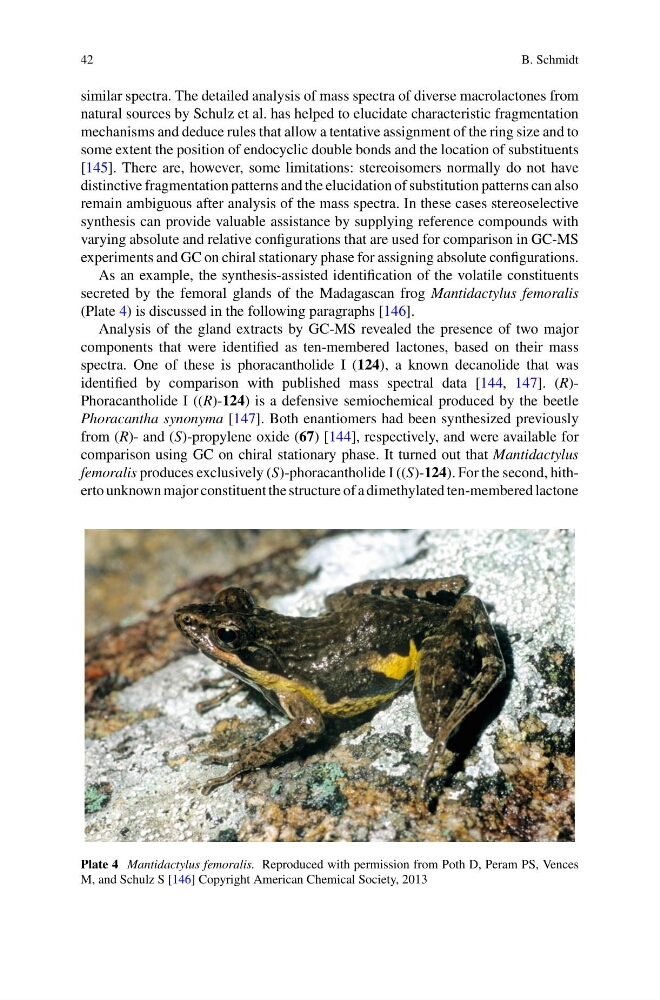
(Plate 4) is discussed in the following paragraphs [146].
Analysis of the gland extracts by GC-MS revealed the presence of two major
components that were identified as ten-membered lactones, based on their mass
spectra. One of these is phoracantholide I (124), a known decanolide that was
identified by comparison with published mass spectral data [144, 147]. (R)Phoracantholide I ((R)-124) is a defensive semiochemical produced by the beetle
Phoracantha synonyma [147]. Both enantiomers had been synthesized previously
from (R)- and (S)-propylene oxide (67) [144], respectively, and were available for
comparison using GC on chiral stationary phase. It turned out that Mantidactylus
femoralis produces exclusively (S)-phoracantholide I ((S)-124). For the second, hitherto unknown major constituent the structure of a dimethylated ten-membered lactone
Plate 4 Mantidactylus femoralis. Reproduced with permission from Poth D, Peram PS, Vences
M, and Schulz S [146] Copyright American Chemical Society, 2013
B. Schmidt
similar spectra. The detailed analysis of mass spectra of diverse macrolactones from
natural sources by Schulz et al. has helped to elucidate characteristic fragmentation
mechanisms and deduce rules that allow a tentative assignment of the ring size and to
some extent the position of endocyclic double bonds and the location of substituents
[145]. There are, however, some limitations: stereoisomers normally do not have
distinctive fragmentation patterns and the elucidation of substitution patterns can also
remain ambiguous after analysis of the mass spectra. In these cases stereoselective
synthesis can provide valuable assistance by supplying reference compounds with
varying absolute and relative configurations that are used for comparison in GC-MS
experiments and GC on chiral stationary phase for assigning absolute configurations.
As an example, the synthesis-assisted identification of the volatile constituents
secreted by the femoral glands of the Madagascan frog Mantidactylus femoralis
(Plate 4) is discussed in the following paragraphs [146].
Analysis of the gland extracts by GC-MS revealed the presence of two major
components that were identified as ten-membered lactones, based on their mass
spectra. One of these is phoracantholide I (124), a known decanolide that was
identified by comparison with published mass spectral data [144, 147]. (R)Phoracantholide I ((R)-124) is a defensive semiochemical produced by the beetle
Phoracantha synonyma [147]. Both enantiomers had been synthesized previously
from (R)- and (S)-propylene oxide (67) [144], respectively, and were available for
comparison using GC on chiral stationary phase. It turned out that Mantidactylus
femoralis produces exclusively (S)-phoracantholide I ((S)-124). For the second, hitherto unknown major constituent the structure of a dimethylated ten-membered lactone
Plate 4 Mantidactylus femoralis. Reproduced with permission from Poth D, Peram PS, Vences
M, and Schulz S [146] Copyright American Chemical Society, 2013