

Antileishmanial Activity of Lignans, Neolignans …
121
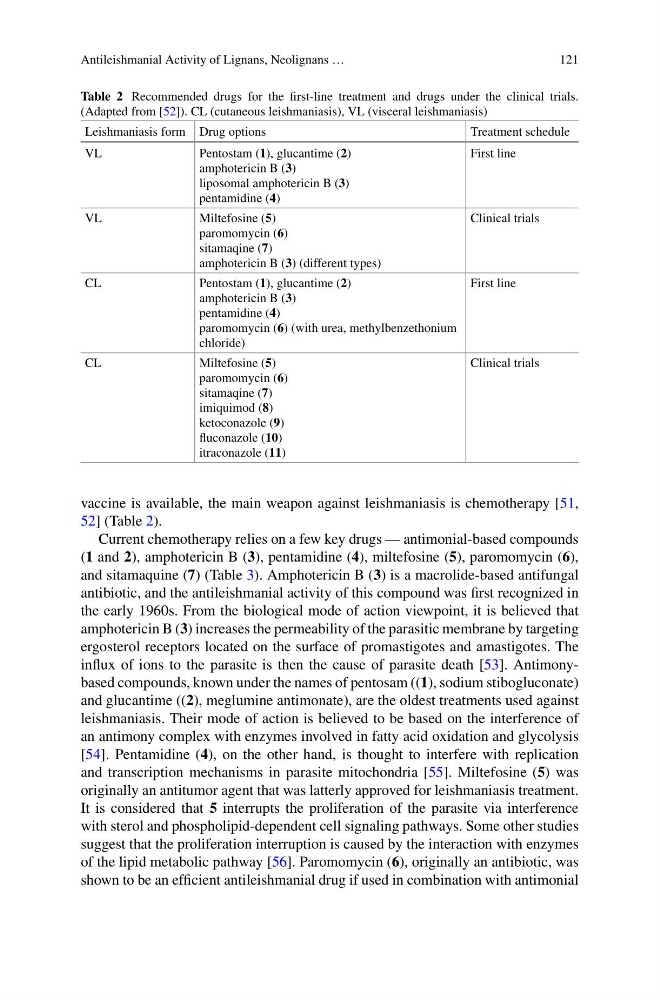
Table 2 Recommended drugs for the first-line treatment and drugs under the clinical trials.
(Adapted from [52]). CL (cutaneous leishmaniasis), VL (visceral leishmaniasis)
Leishmaniasis form Drug options
Treatment schedule
VL
Pentostam (1), glucantime (2)
amphotericin B (3)
liposomal amphotericin B (3)
pentamidine (4)
First line
VL
Miltefosine (5)
paromomycin (6)
sitamaqine (7)
amphotericin B (3) (different types)
Clinical trials
CL
Pentostam (1), glucantime (2)
amphotericin B (3)
pentamidine (4)
paromomycin (6) (with urea, methylbenzethonium
chloride)
First line
CL
Miltefosine (5)
paromomycin (6)
sitamaqine (7)
imiquimod (8)
ketoconazole (9)
fluconazole (10)
itraconazole (11)
Clinical trials
vaccine is available, the main weapon against leishmaniasis is chemotherapy [51,
52] (Table 2).
Current chemotherapy relies on a few key drugs — antimonial-based compounds
(1 and 2), amphotericin B (3), pentamidine (4), miltefosine (5), paromomycin (6),
and sitamaquine (7) (Table 3). Amphotericin B (3) is a macrolide-based antifungal
antibiotic, and the antileishmanial activity of this compound was first recognized in
the early 1960s. From the biological mode of action viewpoint, it is believed that
amphotericin B (3) increases the permeability of the parasitic membrane by targeting
ergosterol receptors located on the surface of promastigotes and amastigotes. The
influx of ions to the parasite is then the cause of parasite death [53]. Antimonybased compounds, known under the names of pentosam ((1), sodium stibogluconate)
and glucantime ((2), meglumine antimonate), are the oldest treatments used against
leishmaniasis. Their mode of action is believed to be based on the interference of
an antimony complex with enzymes involved in fatty acid oxidation and glycolysis
[54]. Pentamidine (4), on the other hand, is thought to interfere with replication
and transcription mechanisms in parasite mitochondria [55]. Miltefosine (5) was
originally an antitumor agent that was latterly approved for leishmaniasis treatment.
It is considered that 5 interrupts the proliferation of the parasite via interference
with sterol and phospholipid-dependent cell signaling pathways. Some other studies
suggest that the proliferation interruption is caused by the interaction with enzymes
of the lipid metabolic pathway [56]. Paromomycin (6), originally an antibiotic, was
shown to be an efficient antileishmanial drug if used in combination with antimonial
121
Table 2 Recommended drugs for the first-line treatment and drugs under the clinical trials.
(Adapted from [52]). CL (cutaneous leishmaniasis), VL (visceral leishmaniasis)
Leishmaniasis form Drug options
Treatment schedule
VL
Pentostam (1), glucantime (2)
amphotericin B (3)
liposomal amphotericin B (3)
pentamidine (4)
First line
VL
Miltefosine (5)
paromomycin (6)
sitamaqine (7)
amphotericin B (3) (different types)
Clinical trials
CL
Pentostam (1), glucantime (2)
amphotericin B (3)
pentamidine (4)
paromomycin (6) (with urea, methylbenzethonium
chloride)
First line
CL
Miltefosine (5)
paromomycin (6)
sitamaqine (7)
imiquimod (8)
ketoconazole (9)
fluconazole (10)
itraconazole (11)
Clinical trials
vaccine is available, the main weapon against leishmaniasis is chemotherapy [51,
52] (Table 2).
Current chemotherapy relies on a few key drugs — antimonial-based compounds
(1 and 2), amphotericin B (3), pentamidine (4), miltefosine (5), paromomycin (6),
and sitamaquine (7) (Table 3). Amphotericin B (3) is a macrolide-based antifungal
antibiotic, and the antileishmanial activity of this compound was first recognized in
the early 1960s. From the biological mode of action viewpoint, it is believed that
amphotericin B (3) increases the permeability of the parasitic membrane by targeting
ergosterol receptors located on the surface of promastigotes and amastigotes. The
influx of ions to the parasite is then the cause of parasite death [53]. Antimonybased compounds, known under the names of pentosam ((1), sodium stibogluconate)
and glucantime ((2), meglumine antimonate), are the oldest treatments used against
leishmaniasis. Their mode of action is believed to be based on the interference of
an antimony complex with enzymes involved in fatty acid oxidation and glycolysis
[54]. Pentamidine (4), on the other hand, is thought to interfere with replication
and transcription mechanisms in parasite mitochondria [55]. Miltefosine (5) was
originally an antitumor agent that was latterly approved for leishmaniasis treatment.
It is considered that 5 interrupts the proliferation of the parasite via interference
with sterol and phospholipid-dependent cell signaling pathways. Some other studies
suggest that the proliferation interruption is caused by the interaction with enzymes
of the lipid metabolic pathway [56]. Paromomycin (6), originally an antibiotic, was
shown to be an efficient antileishmanial drug if used in combination with antimonial