

292 12 Characterization of Nanomaterials
ments, this is not a mechanical tilting, rather tilting by bending the electron beam
using a magneto-optical element, which facilitates variations in tilting angle and
rotation.
Before the image is magnified to its final size, the electrons pass a correction
system, to minimize spherical and chromatic aberration. Finally, the magnified
image of the specimen is visible on the fluorescence screen. It may be recorded
using photographic or electronic means.
12.3.3
Interaction of the Electron Beam with the Specimen
For transmission electron microscopy, the specimens are very thin foils or individual particles. Generally, the thickness of specimens is limited to 100 nm or
less. The thicker the specimen, the higher the energy (voltage) of the electrons
needed for penetration. In contrast, scanning electron microscopes may work in
transmission and; additionally, may give information on the surface interaction
of the electrons. The specimen scatters and absorbs the electrons. Only the
elastically scattered electrons are usable for imaging. However, the inelastic scattered electrons and those having lost some of their energy by absorption processes also carry important information about the specimen; and in special
devices, they are used for special types of imaging. Figure 12.11 displays a specimen exposed to the electron beam together with the information obtainable with
different devices.
Inelastic scattered electrons have lost parts of their energy in the specimen. This
energy is, primarily, converted to X-rays. Two processes are observed:
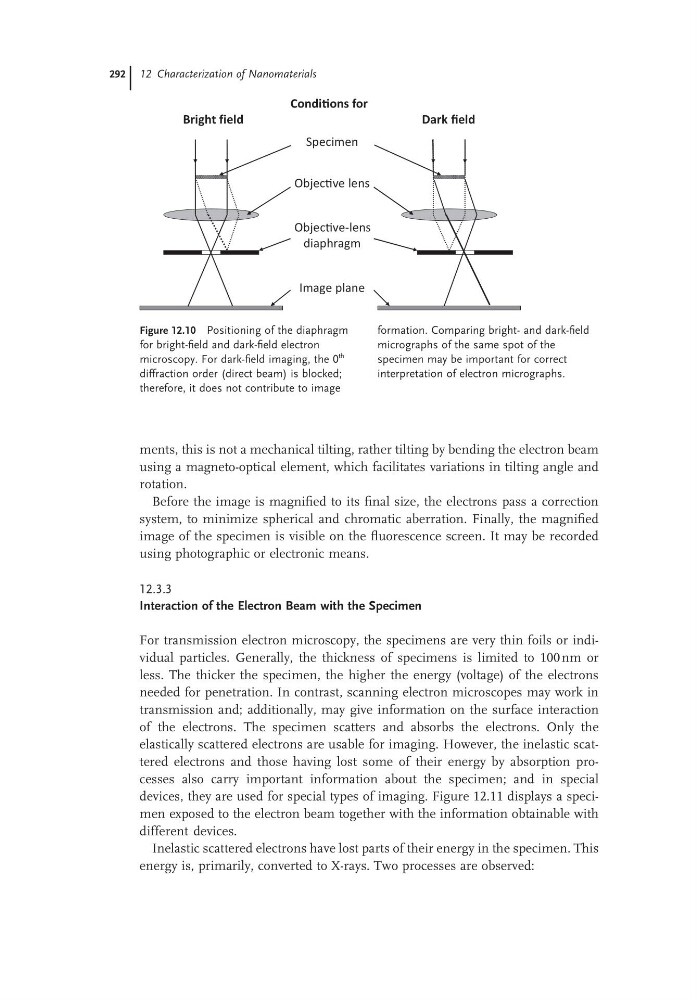
Figure 12.10 Positioning of the diaphragm
for bright-field and dark-field electron
microscopy. For dark-field imaging, the 0
th
diffraction order (direct beam) is blocked;
therefore, it does not contribute to image
formation. Comparing bright- and dark-field
micrographs of the same spot of the
specimen may be important for correct
interpretation of electron micrographs.
Specimen
ObjecƟve lens
ObjecƟve-lens
diaphragm
Image plane
CondiƟons for
Bright
k
r
a
D
d
l
e
i
f
field
ments, this is not a mechanical tilting, rather tilting by bending the electron beam
using a magneto-optical element, which facilitates variations in tilting angle and
rotation.
Before the image is magnified to its final size, the electrons pass a correction
system, to minimize spherical and chromatic aberration. Finally, the magnified
image of the specimen is visible on the fluorescence screen. It may be recorded
using photographic or electronic means.
12.3.3
Interaction of the Electron Beam with the Specimen
For transmission electron microscopy, the specimens are very thin foils or individual particles. Generally, the thickness of specimens is limited to 100 nm or
less. The thicker the specimen, the higher the energy (voltage) of the electrons
needed for penetration. In contrast, scanning electron microscopes may work in
transmission and; additionally, may give information on the surface interaction
of the electrons. The specimen scatters and absorbs the electrons. Only the
elastically scattered electrons are usable for imaging. However, the inelastic scattered electrons and those having lost some of their energy by absorption processes also carry important information about the specimen; and in special
devices, they are used for special types of imaging. Figure 12.11 displays a specimen exposed to the electron beam together with the information obtainable with
different devices.
Inelastic scattered electrons have lost parts of their energy in the specimen. This
energy is, primarily, converted to X-rays. Two processes are observed:
Figure 12.10 Positioning of the diaphragm
for bright-field and dark-field electron
microscopy. For dark-field imaging, the 0
th
diffraction order (direct beam) is blocked;
therefore, it does not contribute to image
formation. Comparing bright- and dark-field
micrographs of the same spot of the
specimen may be important for correct
interpretation of electron micrographs.
Specimen
ObjecƟve lens
ObjecƟve-lens
diaphragm
Image plane
CondiƟons for
Bright
k
r
a
D
d
l
e
i
f
field