

TiO 2 –ZnO Nanocomposites for Photodegradation of Dyes …
721
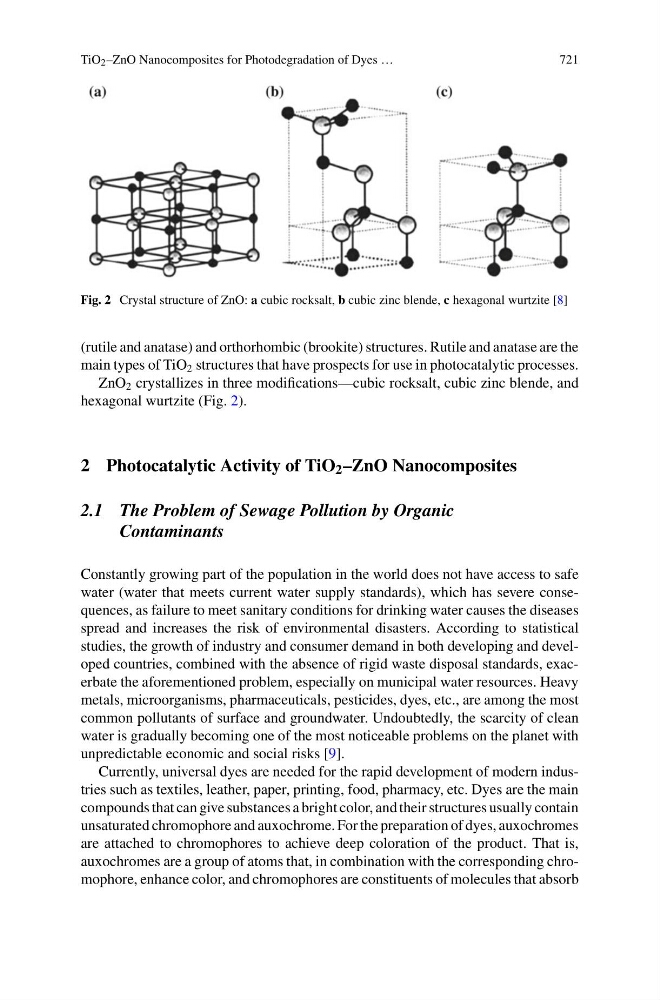
Fig. 2 Crystal structure of ZnO: a cubic rocksalt, b cubic zinc blende, c hexagonal wurtzite [8]
(rutile and anatase) and orthorhombic (brookite) structures. Rutile and anatase are the
main types of TiO 2 structures that have prospects for use in photocatalytic processes.
ZnO 2 crystallizes in three modifications—cubic rocksalt, cubic zinc blende, and
hexagonal wurtzite (Fig. 2).
2 Photocatalytic Activity of TiO 2 –ZnO Nanocomposites
2.1 The Problem of Sewage Pollution by Organic
Contaminants
Constantly growing part of the population in the world does not have access to safe
water (water that meets current water supply standards), which has severe consequences, as failure to meet sanitary conditions for drinking water causes the diseases
spread and increases the risk of environmental disasters. According to statistical
studies, the growth of industry and consumer demand in both developing and developed countries, combined with the absence of rigid waste disposal standards, exacerbate the aforementioned problem, especially on municipal water resources. Heavy
metals, microorganisms, pharmaceuticals, pesticides, dyes, etc., are among the most
common pollutants of surface and groundwater. Undoubtedly, the scarcity of clean
water is gradually becoming one of the most noticeable problems on the planet with
unpredictable economic and social risks [9].
Currently, universal dyes are needed for the rapid development of modern industries such as textiles, leather, paper, printing, food, pharmacy, etc. Dyes are the main
compounds that can give substances a bright color, and their structures usually contain
unsaturated chromophore and auxochrome. For the preparation of dyes, auxochromes
are attached to chromophores to achieve deep coloration of the product. That is,
auxochromes are a group of atoms that, in combination with the corresponding chromophore, enhance color, and chromophores are constituents of molecules that absorb