

21
island communities. During this stage, the theoretical basis for understanding climate change
and the complexities surrounding these emerging
climate phenomena derived from literature
reviews. Data from top-down interviews with
policymakers and senior officials of government
and bottom-up focus group discussions (FGD)
with youth were analysed to assess their perspectives on the climate change pressures impacting
on their small island communities. Data were
also collected from the participatory mapping
exercises implemented in six communities, and
an analysis of historical approaches was used to
identify climate stressors/pressures impacting on
these communities.
Stage 2: Socio-Economic
and Physical Effects on SODS
(Fig. 2.4)
The second stage focused on an assessment of the
socio-economic impact of climate change on
SIDS. This assessment involved reviewing the
literature to investigate the effects of climate
change pressures on the socio-economic situation
of youth and their communities in SIDS, i.e. the
impact on the economy, health and overall social
life. Data from top-down interviews with policymakers and bottom-up FGD with youth were
used to assess their perspectives on how climate
change is impacting youth in SIDS and its link
between climate change pressures and the overall
vulnerability of youth. Information was also
gathered from the depth of literature and the participatory mapping exercise regarding historical
evidence of climate change.
Stage 3: Human Capital Adaptation
(Fig. 2.5)
The third stage of the framework analyses the
skills and knowledge of youth to enhance Human
Capital adaptation. It consists of a review of the
literature concerning the impact of climate
change on youth, focusing on the knowledge and
skills needs that will be required to prepare youth
to build resilience to adapt to climate change and
to enhance sustainable livelihoods in the future.
This aspect was also analysed through data collected from interviews, FGDs and case studies on
the top-down approach of the implementation of
the Tobago Cays Marine Park (TCMP) and the
Youth Employment and Entrepreneurship Project
(YEEP) and the bottom-up approach of the JEMS
Capacity Building Project and the Global Climate
Change Strike Movement.
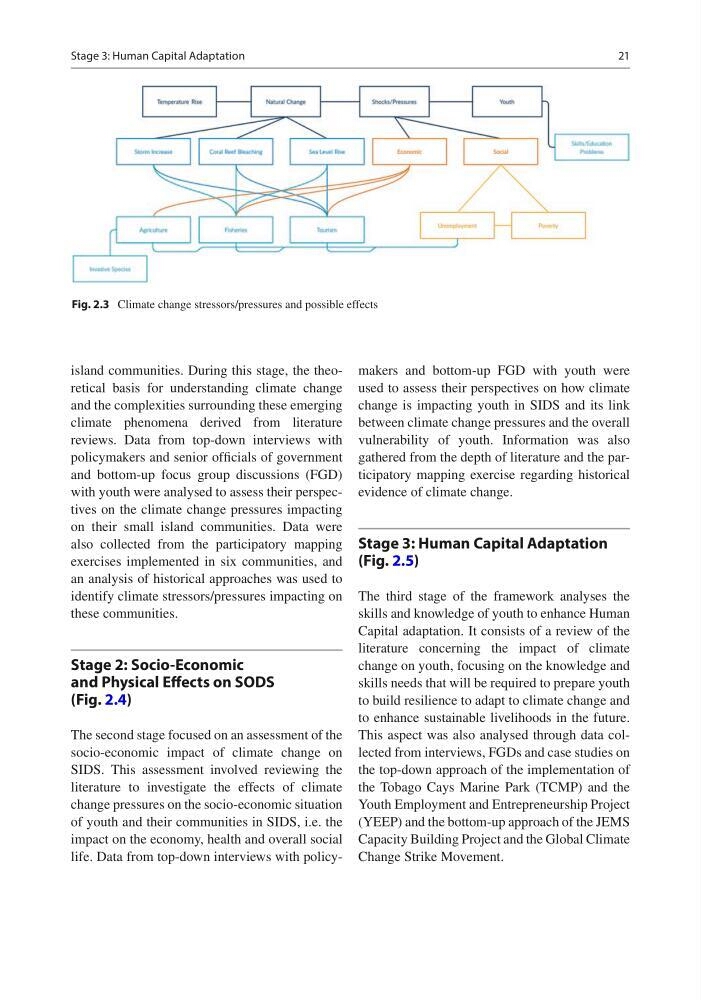
Fig. 2.3 Climate change stressors/pressures and possible effects
Stage 3: Human Capital Adaptation
island communities. During this stage, the theoretical basis for understanding climate change
and the complexities surrounding these emerging
climate phenomena derived from literature
reviews. Data from top-down interviews with
policymakers and senior officials of government
and bottom-up focus group discussions (FGD)
with youth were analysed to assess their perspectives on the climate change pressures impacting
on their small island communities. Data were
also collected from the participatory mapping
exercises implemented in six communities, and
an analysis of historical approaches was used to
identify climate stressors/pressures impacting on
these communities.
Stage 2: Socio-Economic
and Physical Effects on SODS
(Fig. 2.4)
The second stage focused on an assessment of the
socio-economic impact of climate change on
SIDS. This assessment involved reviewing the
literature to investigate the effects of climate
change pressures on the socio-economic situation
of youth and their communities in SIDS, i.e. the
impact on the economy, health and overall social
life. Data from top-down interviews with policymakers and bottom-up FGD with youth were
used to assess their perspectives on how climate
change is impacting youth in SIDS and its link
between climate change pressures and the overall
vulnerability of youth. Information was also
gathered from the depth of literature and the participatory mapping exercise regarding historical
evidence of climate change.
Stage 3: Human Capital Adaptation
(Fig. 2.5)
The third stage of the framework analyses the
skills and knowledge of youth to enhance Human
Capital adaptation. It consists of a review of the
literature concerning the impact of climate
change on youth, focusing on the knowledge and
skills needs that will be required to prepare youth
to build resilience to adapt to climate change and
to enhance sustainable livelihoods in the future.
This aspect was also analysed through data collected from interviews, FGDs and case studies on
the top-down approach of the implementation of
the Tobago Cays Marine Park (TCMP) and the
Youth Employment and Entrepreneurship Project
(YEEP) and the bottom-up approach of the JEMS
Capacity Building Project and the Global Climate
Change Strike Movement.
Fig. 2.3 Climate change stressors/pressures and possible effects
Stage 3: Human Capital Adaptation