

2.2 Surface Reactions of Organic and Polymeric Films
27
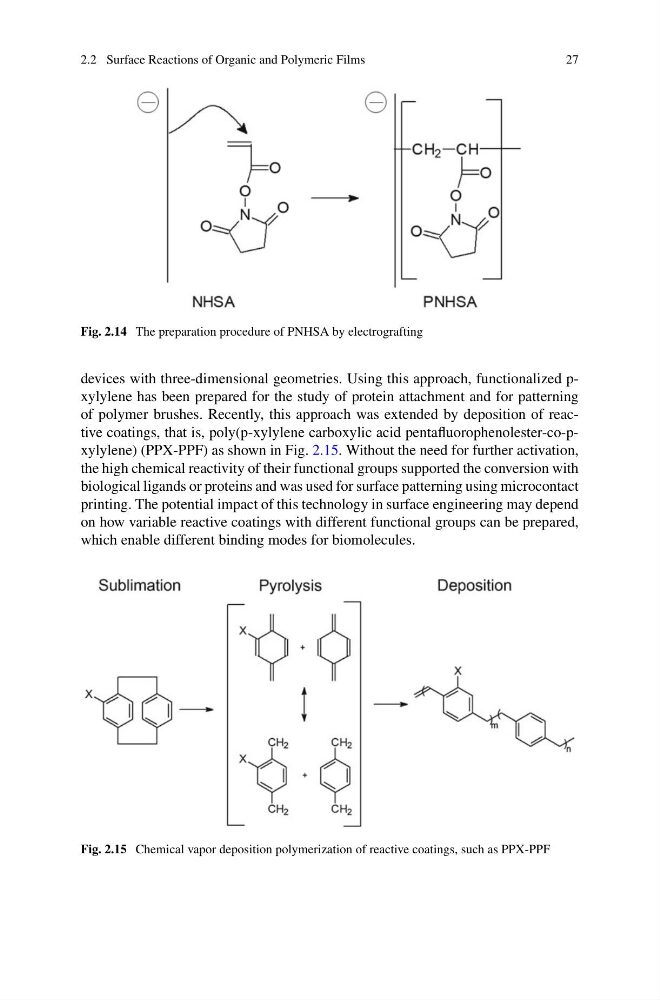
Fig. 2.14 The preparation procedure of PNHSA by electrografting
devices with three-dimensional geometries. Using this approach, functionalized pxylylene has been prepared for the study of protein attachment and for patterning
of polymer brushes. Recently, this approach was extended by deposition of reactive coatings, that is, poly(p-xylylene carboxylic acid pentafluorophenolester-co-pxylylene) (PPX-PPF) as shown in Fig. 2.15. Without the need for further activation,
the high chemical reactivity of their functional groups supported the conversion with
biological ligands or proteins and was used for surface patterning using microcontact
printing. The potential impact of this technology in surface engineering may depend
on how variable reactive coatings with different functional groups can be prepared,
which enable different binding modes for biomolecules.
Fig. 2.15 Chemical vapor deposition polymerization of reactive coatings, such as PPX-PPF
27
Fig. 2.14 The preparation procedure of PNHSA by electrografting
devices with three-dimensional geometries. Using this approach, functionalized pxylylene has been prepared for the study of protein attachment and for patterning
of polymer brushes. Recently, this approach was extended by deposition of reactive coatings, that is, poly(p-xylylene carboxylic acid pentafluorophenolester-co-pxylylene) (PPX-PPF) as shown in Fig. 2.15. Without the need for further activation,
the high chemical reactivity of their functional groups supported the conversion with
biological ligands or proteins and was used for surface patterning using microcontact
printing. The potential impact of this technology in surface engineering may depend
on how variable reactive coatings with different functional groups can be prepared,
which enable different binding modes for biomolecules.
Fig. 2.15 Chemical vapor deposition polymerization of reactive coatings, such as PPX-PPF