

63
conditions. At sites where large amounts of residual biomass are available, smallscale installations for hydrogen production are efficient solutions for waste treatment, while eliminating transportation costs associated to their disposal [24, 92].
Conversion processes could be though classified in various ways, depending on
particularities, but the two major options for producing biohydrogen are the lightindependent (in darkness) and the light-dependent processes. The main processes
by which biohydrogen can be biochemically generated are shown in Fig. 4. All
these biological pathways are alternative options for producing renewable fuel gas,
and their development could lead to important benefits in the renewable energy
production landscape.
Among biochemical conversion processes to biohydrogen, dark fermentation is
extensively used for various organic waste and algal biomass recovery. Given its
higher production rates and with the advantage to possibly treat large amounts of
organic wastes, dark fermentation is the most promising and the most studied technology for hydrogen gas production [93].
In dark fermentation that takes place in anoxic conditions, biohydrogen is generated as a metabolic product from the activity of heterotrophic anaerobic bacteria
whose growth implies oxidative degradation of the organic substrates. Figure 1
shows schematically the pathways of biomass conversion into biohydrogen by dark
fermentation. There is a strong similarity between the stages of anaerobic digestion
and dark fermentation as both are anaerobic fermentation processes. Dark fermentation is related to anaerobic digestion, with the mention that the common process
stages are limited to hydrolysis, acidogenesis and acetogenesis. After these stages,
the biochemical processes of producing biomethane, respectively biohydrogen, are
conducted to different pathways; differences that induce the shift of biochemical
reactions towards the production of either biomethane or biohydrogen lay in the
operating conditions. In dark fermentation, the growth of methanogens must be
inhibited, and several strategies as operating at low hydraulic retention time or at pH
lower than 6.5 could be employed, as well as the inoculum pretreatment or use of
selected bacteria strains, etc. [94].
Degradation products from substrate decay ensure the metabolic energy required
for bacterial growth, as well as the necessary building blocks. During this process,
electrons are generated and tend to be protonated for fulfilling the electrical stability
of the environment; therefore, molecular hydrogen is formed.
Depending on the temperature regime, different fermentative microorganisms
(e.g. Enterobacter sp., Clostridium sp.) participate in the biohydrogen production.
43%
32%
20%
4% 1%
natural gases
heavy oil and naphta
coal
electrolysis
biomass
Hydrogen for:
• CHEMICAL SYNTHESIS
• DIRECT COMBUSTION FUEL
• FUEL FOR FUEL CELLS
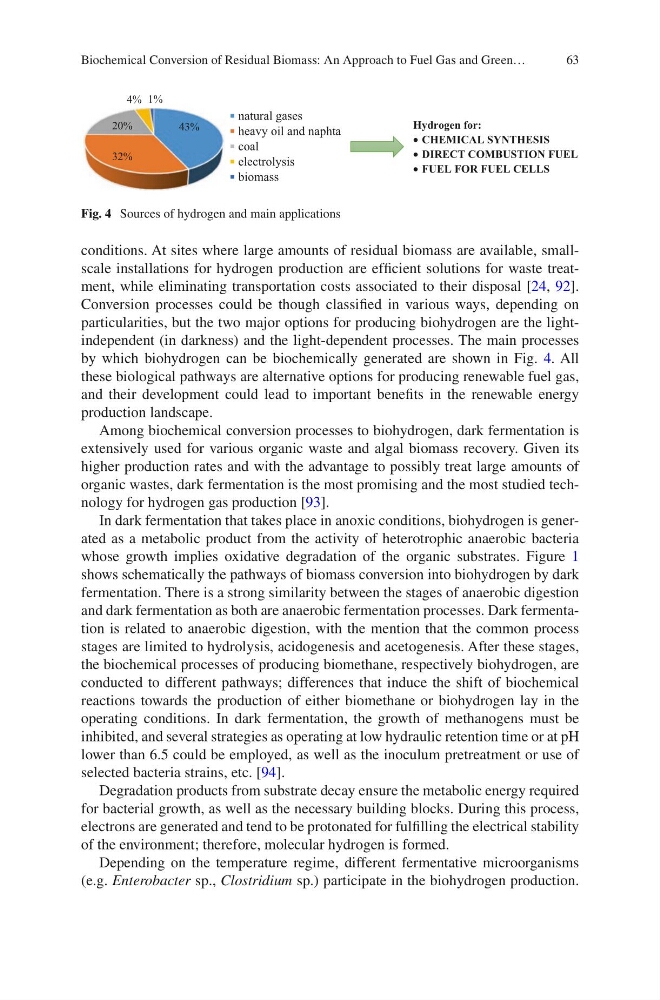
Fig. 4 Sources of hydrogen and main applications
Biochemical Conversion of Residual Biomass: An Approach to Fuel Gas and Green…
conditions. At sites where large amounts of residual biomass are available, smallscale installations for hydrogen production are efficient solutions for waste treatment, while eliminating transportation costs associated to their disposal [24, 92].
Conversion processes could be though classified in various ways, depending on
particularities, but the two major options for producing biohydrogen are the lightindependent (in darkness) and the light-dependent processes. The main processes
by which biohydrogen can be biochemically generated are shown in Fig. 4. All
these biological pathways are alternative options for producing renewable fuel gas,
and their development could lead to important benefits in the renewable energy
production landscape.
Among biochemical conversion processes to biohydrogen, dark fermentation is
extensively used for various organic waste and algal biomass recovery. Given its
higher production rates and with the advantage to possibly treat large amounts of
organic wastes, dark fermentation is the most promising and the most studied technology for hydrogen gas production [93].
In dark fermentation that takes place in anoxic conditions, biohydrogen is generated as a metabolic product from the activity of heterotrophic anaerobic bacteria
whose growth implies oxidative degradation of the organic substrates. Figure 1
shows schematically the pathways of biomass conversion into biohydrogen by dark
fermentation. There is a strong similarity between the stages of anaerobic digestion
and dark fermentation as both are anaerobic fermentation processes. Dark fermentation is related to anaerobic digestion, with the mention that the common process
stages are limited to hydrolysis, acidogenesis and acetogenesis. After these stages,
the biochemical processes of producing biomethane, respectively biohydrogen, are
conducted to different pathways; differences that induce the shift of biochemical
reactions towards the production of either biomethane or biohydrogen lay in the
operating conditions. In dark fermentation, the growth of methanogens must be
inhibited, and several strategies as operating at low hydraulic retention time or at pH
lower than 6.5 could be employed, as well as the inoculum pretreatment or use of
selected bacteria strains, etc. [94].
Degradation products from substrate decay ensure the metabolic energy required
for bacterial growth, as well as the necessary building blocks. During this process,
electrons are generated and tend to be protonated for fulfilling the electrical stability
of the environment; therefore, molecular hydrogen is formed.
Depending on the temperature regime, different fermentative microorganisms
(e.g. Enterobacter sp., Clostridium sp.) participate in the biohydrogen production.
43%
32%
20%
4% 1%
natural gases
heavy oil and naphta
coal
electrolysis
biomass
Hydrogen for:
• CHEMICAL SYNTHESIS
• DIRECT COMBUSTION FUEL
• FUEL FOR FUEL CELLS
Fig. 4 Sources of hydrogen and main applications
Biochemical Conversion of Residual Biomass: An Approach to Fuel Gas and Green…