

456
on the type of catalysts having Bronsted/Lewis acidity. Heteropoly acid catalysts
are desirable candidates for the conversion of biomass as these possess strong
Bronsted acidity. Lewis acidity was generated with the modifications in heteropoly
acids. The catalyst with more Bronsted acidity is effective for the dehydrating step,
and Lewis acidic catalyst is needed in isomerization step in the transformation of
carbohydrates to chemicals/fuel additives. This chapter reviewed the modification
possible for heteropoly acids to use as heterogeneous catalysts in conversion of cellulosic biomass. The role of modified heteropoly acids in the realization of biomass
valorization is also summarized. Reaction temperature, time, catalyst weight and
the feed to solvent ratio which are the other parameters that can affect the product
yield are discussed.
Acknowledgements The authors thank the Director of CSIR-Indian Institute of Chemical
Technology for permitting our research work to contribute to this chapter.
References
1. Shafiee S, Topal E (2009) When will fossil fuel reserves be diminished? Energy Policy 37:181
2. International Energy Agency (2014) World energy outlook
3. Goldemberg J (2006) The promise of clean energy. Energy Policy 34:2185
4. (2015) BP Statistical Review of World Energy, 64th edition
5. Cherubini F, Bird ND, Cowie A, Jungmeier G, Schlamadinger B (2009) Resour Conserv
Recycl 253(8):434
6. Zah R, Boni H, Gauch M, Hischier R, Lehmann M, Wager P (2007) Life cycle assessment of
energy products: environmental assessment of biofuels. EMPA, Bern
7. Spatari S, Bagley DM, MacLean HL (2010) Bioresour Technol 101(2):654
8. Gonzalez-Garcıa S, Gasol CM, Gabarrell X, Rieradevall J, Moreira MT, Feijoo G (2009)
Renew Sustain Energy Rev 13((9):2613
9. O’Sullivan AC (1997) Cellulose 4:173
10. U.S. Department of Energy Genome Programs image gallery. http://genomics.energy.gov.
Accessed 22 Feb 2011
11. Saini JK, Saini R, Tewari L (2015) Biotech 5:337
12. Boerjan W, Ralph J, Baucher M (2003) Annu Rev Plant Biol 54:519
13. Gao J, Tang LG (1996) Cellulose science. Science Press, Beijing
14. Zhang P, Hu HR, Shi SL (2006) Application of hemicellulose. Tianjin Pap Mak 2:16
15. Fengel D, Wenger G (1989) Wood chemistry, ultra structure, reactions. Walter De
Gruyter, Berlin
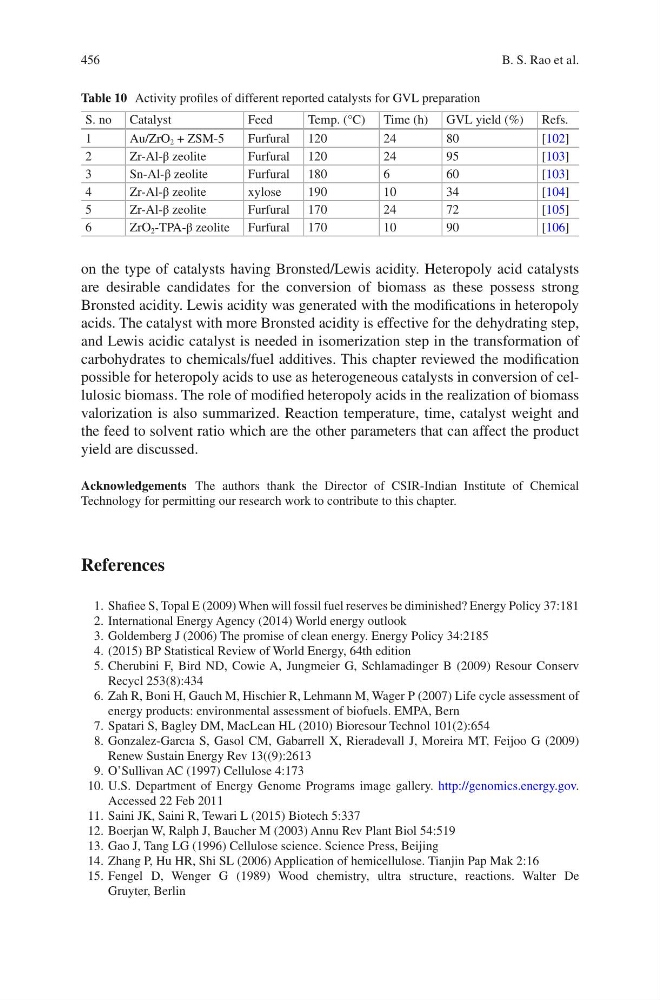
Table 10 Activity profiles of different reported catalysts for GVL preparation
S. no Catalyst
Feed
Temp. (°C) Time (h) GVL yield (%) Refs.
1
Au/ZrO 2 + ZSM-5
Furfural 120
24
80
[102]
2
Zr-Al-β zeolite
Furfural 120
24
95
[103]
3
Sn-Al-β zeolite
Furfural 180
6
60
[103]
4
Zr-Al-β zeolite
xylose
190
10
34
[104]
5
Zr-Al-β zeolite
Furfural 170
24
72
[105]
6
ZrO 2 -TPA-β zeolite Furfural 170
10
90
[106]
B. S. Rao et al.
on the type of catalysts having Bronsted/Lewis acidity. Heteropoly acid catalysts
are desirable candidates for the conversion of biomass as these possess strong
Bronsted acidity. Lewis acidity was generated with the modifications in heteropoly
acids. The catalyst with more Bronsted acidity is effective for the dehydrating step,
and Lewis acidic catalyst is needed in isomerization step in the transformation of
carbohydrates to chemicals/fuel additives. This chapter reviewed the modification
possible for heteropoly acids to use as heterogeneous catalysts in conversion of cellulosic biomass. The role of modified heteropoly acids in the realization of biomass
valorization is also summarized. Reaction temperature, time, catalyst weight and
the feed to solvent ratio which are the other parameters that can affect the product
yield are discussed.
Acknowledgements The authors thank the Director of CSIR-Indian Institute of Chemical
Technology for permitting our research work to contribute to this chapter.
References
1. Shafiee S, Topal E (2009) When will fossil fuel reserves be diminished? Energy Policy 37:181
2. International Energy Agency (2014) World energy outlook
3. Goldemberg J (2006) The promise of clean energy. Energy Policy 34:2185
4. (2015) BP Statistical Review of World Energy, 64th edition
5. Cherubini F, Bird ND, Cowie A, Jungmeier G, Schlamadinger B (2009) Resour Conserv
Recycl 253(8):434
6. Zah R, Boni H, Gauch M, Hischier R, Lehmann M, Wager P (2007) Life cycle assessment of
energy products: environmental assessment of biofuels. EMPA, Bern
7. Spatari S, Bagley DM, MacLean HL (2010) Bioresour Technol 101(2):654
8. Gonzalez-Garcıa S, Gasol CM, Gabarrell X, Rieradevall J, Moreira MT, Feijoo G (2009)
Renew Sustain Energy Rev 13((9):2613
9. O’Sullivan AC (1997) Cellulose 4:173
10. U.S. Department of Energy Genome Programs image gallery. http://genomics.energy.gov.
Accessed 22 Feb 2011
11. Saini JK, Saini R, Tewari L (2015) Biotech 5:337
12. Boerjan W, Ralph J, Baucher M (2003) Annu Rev Plant Biol 54:519
13. Gao J, Tang LG (1996) Cellulose science. Science Press, Beijing
14. Zhang P, Hu HR, Shi SL (2006) Application of hemicellulose. Tianjin Pap Mak 2:16
15. Fengel D, Wenger G (1989) Wood chemistry, ultra structure, reactions. Walter De
Gruyter, Berlin
Table 10 Activity profiles of different reported catalysts for GVL preparation
S. no Catalyst
Feed
Temp. (°C) Time (h) GVL yield (%) Refs.
1
Au/ZrO 2 + ZSM-5
Furfural 120
24
80
[102]
2
Zr-Al-β zeolite
Furfural 120
24
95
[103]
3
Sn-Al-β zeolite
Furfural 180
6
60
[103]
4
Zr-Al-β zeolite
xylose
190
10
34
[104]
5
Zr-Al-β zeolite
Furfural 170
24
72
[105]
6
ZrO 2 -TPA-β zeolite Furfural 170
10
90
[106]
B. S. Rao et al.