

151
biocrude is allowed to react with H 2 at high temperature and pressure in the presence of a catalyst [21, 22]. HTL biocrude also has lower moisture content than
pyrolysis bio-oil, at a value of around 25–50 wt% [17, 23, 24]. Yet, biocrude from
microalgae has relatively low energy content because around only 40% of carbon
and 35% of hydrogen in the feedstock are converted to biocrude, while the rest
remain the aqueous phase (i.e., low organics) [25]. Solvents are used to liquefy
microalgae in order to improve biocrude yield and quality (high quality: low density, low viscosity). These organic solvents include toluene, ethanol, methanol,
1-methyl naphthalene, and 1,4-dioxane [26–29]. The use of organic solvents permits the HTL reaction to proceed at milder temperature compared to HTL reaction
without solvent.
2 Process Description in Microalgae HTL
Hydrothermal liquefaction (HTL) is a biomass-to-liquid conversion route typically carried out in water at medium temperatures (200–400 °C) and high pressures (5–25 MPa) for 10–60 min yielding biocrude, aqueous, gaseous, and solid
phases with or without catalyst [4, 30]. Although biocrude is not outright produced
as a drop-in transportation fuel, its energy content is comparable to petroleum [31]
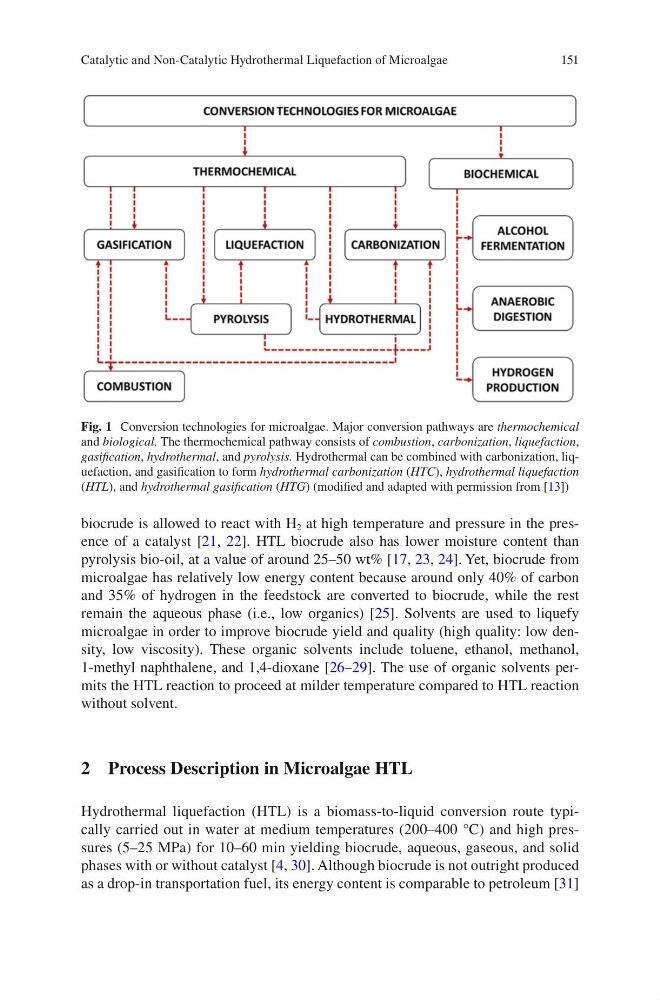
Fig. 1 Conversion technologies for microalgae. Major conversion pathways are thermochemical
and biological. The thermochemical pathway consists of combustion, carbonization, liquefaction,
gasification, hydrothermal, and pyrolysis. Hydrothermal can be combined with carbonization, liquefaction, and gasification to form hydrothermal carbonization (HTC), hydrothermal liquefaction
(HTL), and hydrothermal gasification (HTG) (modified and adapted with permission from [13])
Catalytic and Non-Catalytic Hydrothermal Liquefaction of Microalgae
biocrude is allowed to react with H 2 at high temperature and pressure in the presence of a catalyst [21, 22]. HTL biocrude also has lower moisture content than
pyrolysis bio-oil, at a value of around 25–50 wt% [17, 23, 24]. Yet, biocrude from
microalgae has relatively low energy content because around only 40% of carbon
and 35% of hydrogen in the feedstock are converted to biocrude, while the rest
remain the aqueous phase (i.e., low organics) [25]. Solvents are used to liquefy
microalgae in order to improve biocrude yield and quality (high quality: low density, low viscosity). These organic solvents include toluene, ethanol, methanol,
1-methyl naphthalene, and 1,4-dioxane [26–29]. The use of organic solvents permits the HTL reaction to proceed at milder temperature compared to HTL reaction
without solvent.
2 Process Description in Microalgae HTL
Hydrothermal liquefaction (HTL) is a biomass-to-liquid conversion route typically carried out in water at medium temperatures (200–400 °C) and high pressures (5–25 MPa) for 10–60 min yielding biocrude, aqueous, gaseous, and solid
phases with or without catalyst [4, 30]. Although biocrude is not outright produced
as a drop-in transportation fuel, its energy content is comparable to petroleum [31]
Fig. 1 Conversion technologies for microalgae. Major conversion pathways are thermochemical
and biological. The thermochemical pathway consists of combustion, carbonization, liquefaction,
gasification, hydrothermal, and pyrolysis. Hydrothermal can be combined with carbonization, liquefaction, and gasification to form hydrothermal carbonization (HTC), hydrothermal liquefaction
(HTL), and hydrothermal gasification (HTG) (modified and adapted with permission from [13])
Catalytic and Non-Catalytic Hydrothermal Liquefaction of Microalgae