

130
Chitin biodegradation within the soil by associated bacteria helps in nutrient
cycling, as it provides the essential nitrogen and carbon. Also, this management
promotes plant’s defense against invaders, subsequently increasing the crop yield.
Although the enzymatic approach promises high selectivity and specificity, the
associated cost and complicated multistep reaction conditions in the laboratory
downplay these advantages.
Alkaline/Acidic Degradation Early works avoided the use of alkali as solutions
for carbohydrates because it led to their degradation combined with oxidation,
resulting in a complex mixture of products. However, it was later realized that
alkaline degradation in the absence of oxygen could be extremely helpful in
structural analysis and avoiding the methylation route. The alkali can have multiple
interaction points, end groups, and hydroxyl groups or by O-substitution, depending
on the polysaccharide chain. Similarly, the use of strong acids for the degradation of
polysaccharides was severely limited due to the associated problems of instrumental
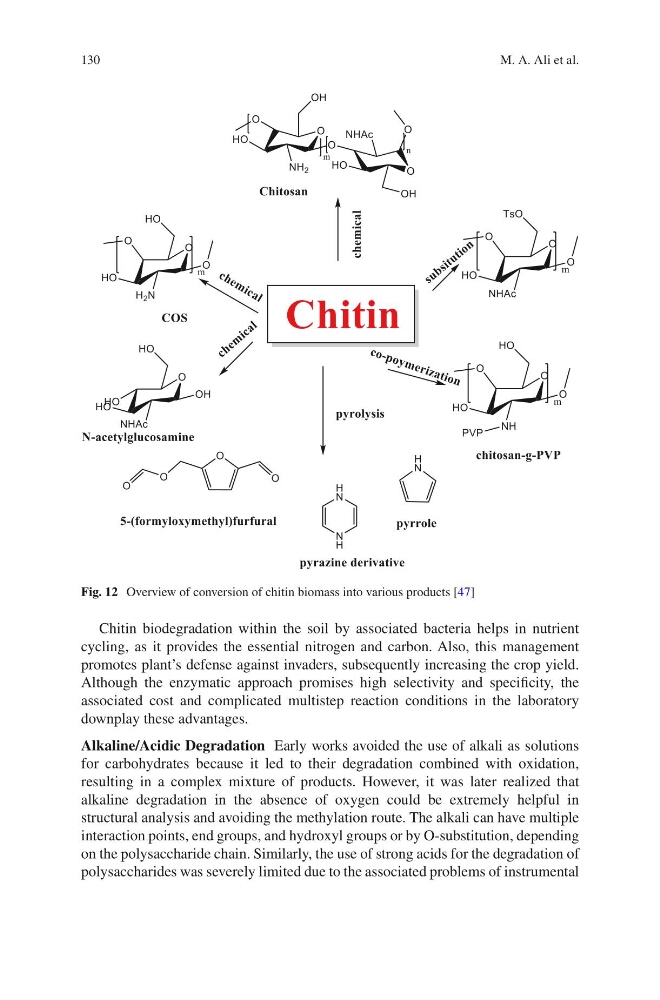
Fig. 12 Overview of conversion of chitin biomass into various products [47]
M. A. Ali et al.
Chitin biodegradation within the soil by associated bacteria helps in nutrient
cycling, as it provides the essential nitrogen and carbon. Also, this management
promotes plant’s defense against invaders, subsequently increasing the crop yield.
Although the enzymatic approach promises high selectivity and specificity, the
associated cost and complicated multistep reaction conditions in the laboratory
downplay these advantages.
Alkaline/Acidic Degradation Early works avoided the use of alkali as solutions
for carbohydrates because it led to their degradation combined with oxidation,
resulting in a complex mixture of products. However, it was later realized that
alkaline degradation in the absence of oxygen could be extremely helpful in
structural analysis and avoiding the methylation route. The alkali can have multiple
interaction points, end groups, and hydroxyl groups or by O-substitution, depending
on the polysaccharide chain. Similarly, the use of strong acids for the degradation of
polysaccharides was severely limited due to the associated problems of instrumental
Fig. 12 Overview of conversion of chitin biomass into various products [47]
M. A. Ali et al.