

127
use in the bioremediation of many types of environmental pollutants, which gives
some possibility of recycling PA 66. The lignolytic fungi Phanerochaete
chrysosporium can degrade PA 6, which is a direct analog of degradable polyester
or poly(ε-caprolactone). Possible mechanism of PA degradation is oxidation of the
methylene group near to the amide linkage (due to N-atom) with the peroxidase
enzyme and the obtained radical then undergoes stepwise oxidation with releasing
degradation products. The lack of aromatic units makes in PA unsusceptible to
degradation, but copolymerization promotes better biodegradability [28, 31, 34].
5.2 Effect of Moisture Absorption on the Thermomechanical
Properties of Polyamides
Polyamides at the molecular level having amide linkages are hydrophilic and, thus,
can absorb water quite easily, which causes the change in the physical properties of
the polyamide material. In ordinary atmospheric conditions (relative humidity 60%
and temperature 23 °C), water absorption is 3.5% for PA 6, 2.5% for PA 66, and
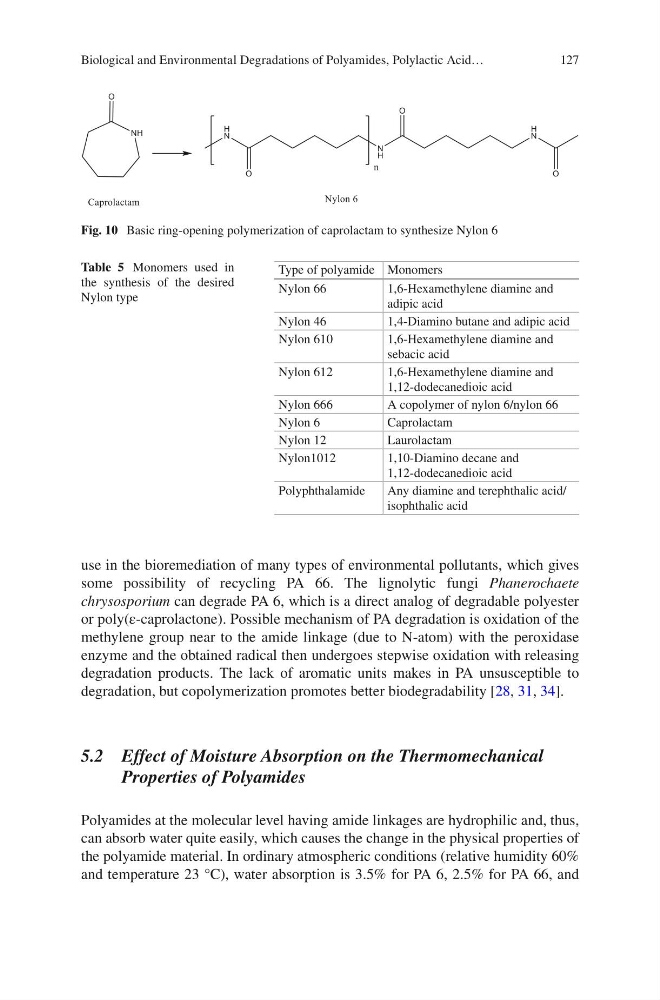
Fig. 10 Basic ring-opening polymerization of caprolactam to synthesize Nylon 6
Table 5 Monomers used in
the synthesis of the desired
Nylon type
Type of polyamide Monomers
Nylon 66
1,6-Hexamethylene diamine and
adipic acid
Nylon 46
1,4-Diamino butane and adipic acid
Nylon 610
1,6-Hexamethylene diamine and
sebacic acid
Nylon 612
1,6-Hexamethylene diamine and
1,12-dodecanedioic acid
Nylon 666
A copolymer of nylon 6/nylon 66
Nylon 6
Caprolactam
Nylon 12
Laurolactam
Nylon1012
1,10-Diamino decane and
1,12-dodecanedioic acid
Polyphthalamide
Any diamine and terephthalic acid/
isophthalic acid
Biological and Environmental Degradations of Polyamides, Polylactic Acid…
use in the bioremediation of many types of environmental pollutants, which gives
some possibility of recycling PA 66. The lignolytic fungi Phanerochaete
chrysosporium can degrade PA 6, which is a direct analog of degradable polyester
or poly(ε-caprolactone). Possible mechanism of PA degradation is oxidation of the
methylene group near to the amide linkage (due to N-atom) with the peroxidase
enzyme and the obtained radical then undergoes stepwise oxidation with releasing
degradation products. The lack of aromatic units makes in PA unsusceptible to
degradation, but copolymerization promotes better biodegradability [28, 31, 34].
5.2 Effect of Moisture Absorption on the Thermomechanical
Properties of Polyamides
Polyamides at the molecular level having amide linkages are hydrophilic and, thus,
can absorb water quite easily, which causes the change in the physical properties of
the polyamide material. In ordinary atmospheric conditions (relative humidity 60%
and temperature 23 °C), water absorption is 3.5% for PA 6, 2.5% for PA 66, and
Fig. 10 Basic ring-opening polymerization of caprolactam to synthesize Nylon 6
Table 5 Monomers used in
the synthesis of the desired
Nylon type
Type of polyamide Monomers
Nylon 66
1,6-Hexamethylene diamine and
adipic acid
Nylon 46
1,4-Diamino butane and adipic acid
Nylon 610
1,6-Hexamethylene diamine and
sebacic acid
Nylon 612
1,6-Hexamethylene diamine and
1,12-dodecanedioic acid
Nylon 666
A copolymer of nylon 6/nylon 66
Nylon 6
Caprolactam
Nylon 12
Laurolactam
Nylon1012
1,10-Diamino decane and
1,12-dodecanedioic acid
Polyphthalamide
Any diamine and terephthalic acid/
isophthalic acid
Biological and Environmental Degradations of Polyamides, Polylactic Acid…