

115
2.1 Biodegradable Polyesters
Biodegradable polymers are the polymers that can be broken down by bacterial or
microbial decomposition after their intended use. The polymers with high molecular
weight are degraded to lower-molecular-weight compounds (such as CO 2 , NO 2 ,
water, biomass, and salts) [8], and the action of microorganisms and enzymes does
the job of decomposition. Polyesters are the form of polymers that are synthesized
from a dicarboxylic acid and a diol. They are the most representative examples of
environmentally benign polymeric materials. The desired properties of polyesters
depend on their mode of production and the resulting orientation of the polymer
chains. Predominantly, the aliphatic polyesters are biodegradable because they have
hydrolyzable ester bonds and relatively short aliphatic chains [8, 12, 14, 15].
Biodegradable polyesters are classified into three types:
1. Polylactic acids (PLA): Polyesters obtained from bio-monomers and prepared by
biotechnological method.
2. Polyhydroxyalkanoates (PHA): Polyesters prepared by a microorganism.
3. Polycaprolactones (PCL): Polyesters prepared from mineral oils (fossil
materials)
In the present chapter, we will discuss the synthesis and properties of polyesters, mainly
PLA and PHA, that are prepared from renewable sources or bio-based materials.
3 Polylactic Acids
Polylactic acid (PLA), also known as polylactide, is the polymer made from monomeric units of lactic acid. It was discovered by Wallace Carothers in 1932 when he
obtained PLA form lactic acid. The two terms, polylactic acids and polylactide, are
used interchangeably, but there is a scientific difference between these two. PLA is
mainly obtained from two processes, direct polycondensation or polymerization
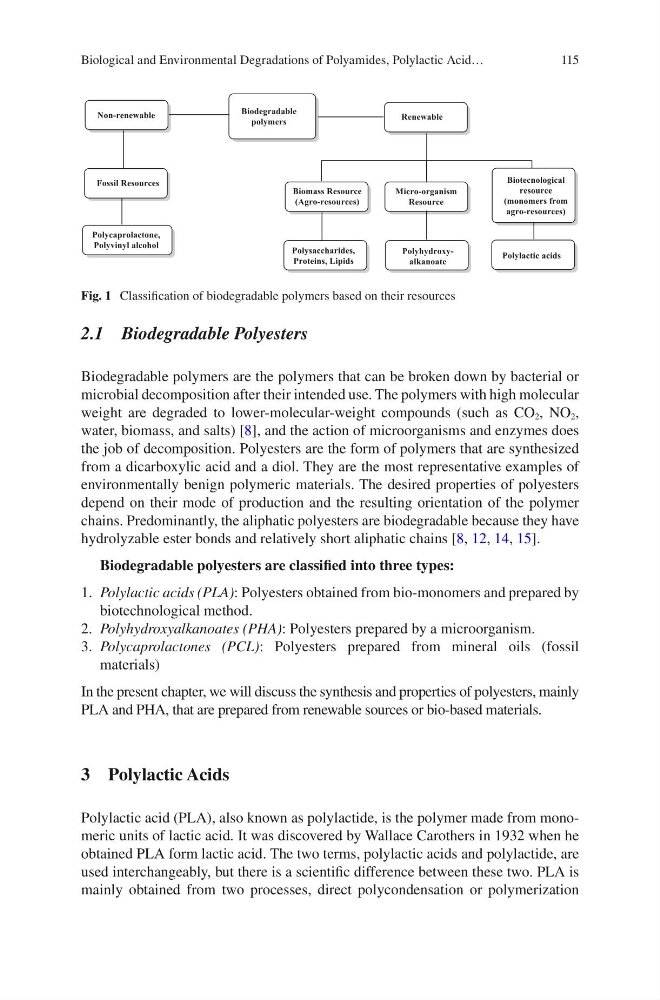
Fig. 1 Classification of biodegradable polymers based on their resources
Biological and Environmental Degradations of Polyamides, Polylactic Acid…
2.1 Biodegradable Polyesters
Biodegradable polymers are the polymers that can be broken down by bacterial or
microbial decomposition after their intended use. The polymers with high molecular
weight are degraded to lower-molecular-weight compounds (such as CO 2 , NO 2 ,
water, biomass, and salts) [8], and the action of microorganisms and enzymes does
the job of decomposition. Polyesters are the form of polymers that are synthesized
from a dicarboxylic acid and a diol. They are the most representative examples of
environmentally benign polymeric materials. The desired properties of polyesters
depend on their mode of production and the resulting orientation of the polymer
chains. Predominantly, the aliphatic polyesters are biodegradable because they have
hydrolyzable ester bonds and relatively short aliphatic chains [8, 12, 14, 15].
Biodegradable polyesters are classified into three types:
1. Polylactic acids (PLA): Polyesters obtained from bio-monomers and prepared by
biotechnological method.
2. Polyhydroxyalkanoates (PHA): Polyesters prepared by a microorganism.
3. Polycaprolactones (PCL): Polyesters prepared from mineral oils (fossil
materials)
In the present chapter, we will discuss the synthesis and properties of polyesters, mainly
PLA and PHA, that are prepared from renewable sources or bio-based materials.
3 Polylactic Acids
Polylactic acid (PLA), also known as polylactide, is the polymer made from monomeric units of lactic acid. It was discovered by Wallace Carothers in 1932 when he
obtained PLA form lactic acid. The two terms, polylactic acids and polylactide, are
used interchangeably, but there is a scientific difference between these two. PLA is
mainly obtained from two processes, direct polycondensation or polymerization
Fig. 1 Classification of biodegradable polymers based on their resources
Biological and Environmental Degradations of Polyamides, Polylactic Acid…