

2.2 Results
27
N
H
O
R'
N
O
HN
O
HN
R'
O
N
H R'
O
HN
S
S
H
N
H
O
N
O
HN
O
HN
R'
O
N
H R'
O
HN
H
HN
O
N
H
O
N
O
HN
O
HN
R'
O
N
H R'
O
HN
H
N
H
O
R'
N
O
HN
O
HN
R'
O
R'
R'
N
H
O
N
O
HN
O
HN
R'
O
N
H R'
O
HN
H
N
N
N
N
H
O
N
O
HN
O
HN
R'
O
N
H R'
O
HN
H
S
S
N
O
N
O
HN
O
HN
R'
O
N
H R'
O
HN
H
S
H
R'
R
R'=Me,Ph
Disulfide bridge
Lactam bridge
Hydrocarbon-staple
Triazole bridge
Cys alkylation
HBS
Carbon chirality
N
H
O
N
O
HN
O
HN
R'
O
N
H R'
O
HN
H
S
S
O
Acetone linked
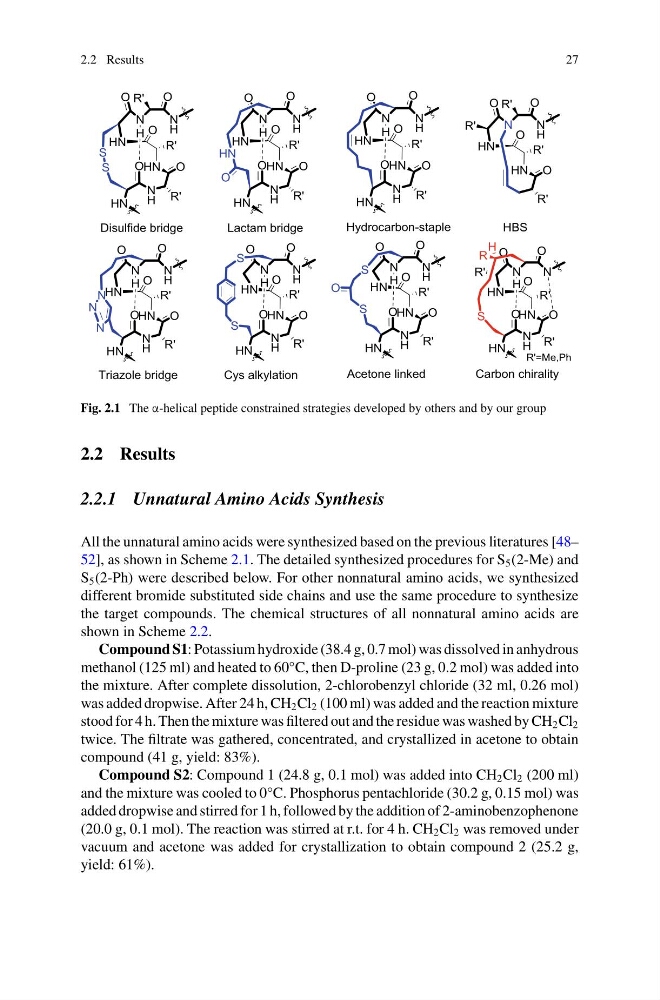
Fig. 2.1 The α-helical peptide constrained strategies developed by others and by our group
2.2 Results
2.2.1 Unnatural Amino Acids Synthesis
All the unnatural amino acids were synthesized based on the previous literatures [48–
52], as shown in Scheme 2.1. The detailed synthesized procedures for S 5 (2-Me) and
S 5 (2-Ph) were described below. For other nonnatural amino acids, we synthesized
different bromide substituted side chains and use the same procedure to synthesize
the target compounds. The chemical structures of all nonnatural amino acids are
shown in Scheme 2.2.
Compound S1: Potassium hydroxide (38.4 g, 0.7 mol) was dissolved in anhydrous
methanol (125 ml) and heated to 60°C, then D-proline (23 g, 0.2 mol) was added into
the mixture. After complete dissolution, 2-chlorobenzyl chloride (32 ml, 0.26 mol)
was added dropwise. After 24 h, CH 2 Cl 2 (100 ml) was added and the reaction mixture
stood for 4 h. Then the mixture was filtered out and the residue was washed by CH 2 Cl 2
twice. The filtrate was gathered, concentrated, and crystallized in acetone to obtain
compound (41 g, yield: 83%).
Compound S2: Compound 1 (24.8 g, 0.1 mol) was added into CH 2 Cl 2 (200 ml)
and the mixture was cooled to 0°C. Phosphorus pentachloride (30.2 g, 0.15 mol) was
added dropwise and stirred for 1 h, followed by the addition of 2-aminobenzophenone
(20.0 g, 0.1 mol). The reaction was stirred at r.t. for 4 h. CH 2 Cl 2 was removed under
vacuum and acetone was added for crystallization to obtain compound 2 (25.2 g,
yield: 61%).
27
N
H
O
R'
N
O
HN
O
HN
R'
O
N
H R'
O
HN
S
S
H
N
H
O
N
O
HN
O
HN
R'
O
N
H R'
O
HN
H
HN
O
N
H
O
N
O
HN
O
HN
R'
O
N
H R'
O
HN
H
N
H
O
R'
N
O
HN
O
HN
R'
O
R'
R'
N
H
O
N
O
HN
O
HN
R'
O
N
H R'
O
HN
H
N
N
N
N
H
O
N
O
HN
O
HN
R'
O
N
H R'
O
HN
H
S
S
N
O
N
O
HN
O
HN
R'
O
N
H R'
O
HN
H
S
H
R'
R
R'=Me,Ph
Disulfide bridge
Lactam bridge
Hydrocarbon-staple
Triazole bridge
Cys alkylation
HBS
Carbon chirality
N
H
O
N
O
HN
O
HN
R'
O
N
H R'
O
HN
H
S
S
O
Acetone linked
Fig. 2.1 The α-helical peptide constrained strategies developed by others and by our group
2.2 Results
2.2.1 Unnatural Amino Acids Synthesis
All the unnatural amino acids were synthesized based on the previous literatures [48–
52], as shown in Scheme 2.1. The detailed synthesized procedures for S 5 (2-Me) and
S 5 (2-Ph) were described below. For other nonnatural amino acids, we synthesized
different bromide substituted side chains and use the same procedure to synthesize
the target compounds. The chemical structures of all nonnatural amino acids are
shown in Scheme 2.2.
Compound S1: Potassium hydroxide (38.4 g, 0.7 mol) was dissolved in anhydrous
methanol (125 ml) and heated to 60°C, then D-proline (23 g, 0.2 mol) was added into
the mixture. After complete dissolution, 2-chlorobenzyl chloride (32 ml, 0.26 mol)
was added dropwise. After 24 h, CH 2 Cl 2 (100 ml) was added and the reaction mixture
stood for 4 h. Then the mixture was filtered out and the residue was washed by CH 2 Cl 2
twice. The filtrate was gathered, concentrated, and crystallized in acetone to obtain
compound (41 g, yield: 83%).
Compound S2: Compound 1 (24.8 g, 0.1 mol) was added into CH 2 Cl 2 (200 ml)
and the mixture was cooled to 0°C. Phosphorus pentachloride (30.2 g, 0.15 mol) was
added dropwise and stirred for 1 h, followed by the addition of 2-aminobenzophenone
(20.0 g, 0.1 mol). The reaction was stirred at r.t. for 4 h. CH 2 Cl 2 was removed under
vacuum and acetone was added for crystallization to obtain compound 2 (25.2 g,
yield: 61%).