

1.2 History and Current Status of Peptide Drugs
7
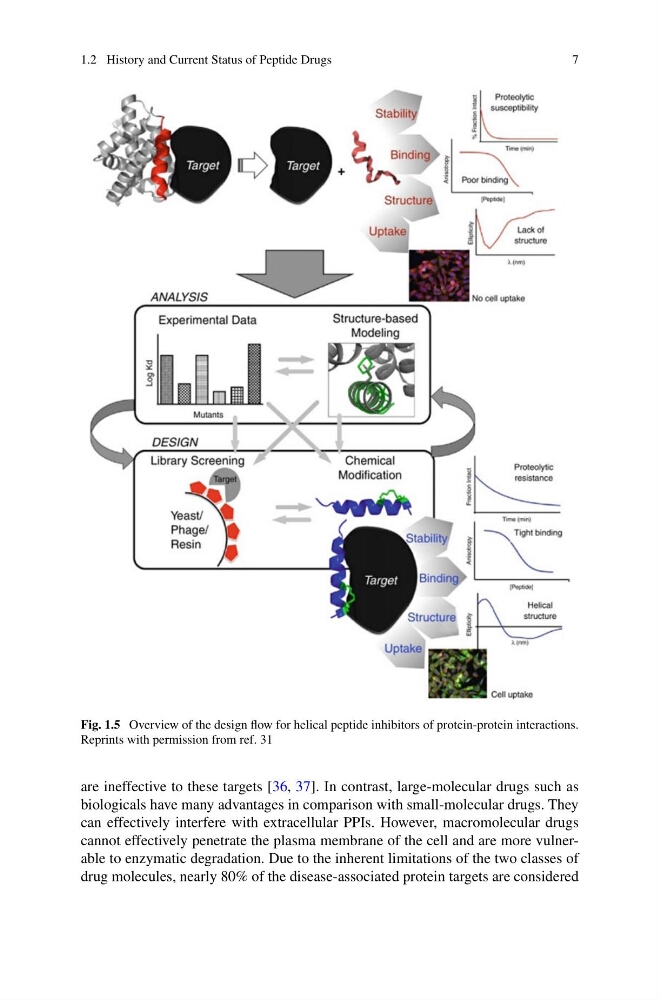
Fig. 1.5 Overview of the design flow for helical peptide inhibitors of protein-protein interactions.
Reprints with permission from ref. 31
are ineffective to these targets [36, 37]. In contrast, large-molecular drugs such as
biologicals have many advantages in comparison with small-molecular drugs. They
can effectively interfere with extracellular PPIs. However, macromolecular drugs
cannot effectively penetrate the plasma membrane of the cell and are more vulnerable to enzymatic degradation. Due to the inherent limitations of the two classes of
drug molecules, nearly 80% of the disease-associated protein targets are considered
7
Fig. 1.5 Overview of the design flow for helical peptide inhibitors of protein-protein interactions.
Reprints with permission from ref. 31
are ineffective to these targets [36, 37]. In contrast, large-molecular drugs such as
biologicals have many advantages in comparison with small-molecular drugs. They
can effectively interfere with extracellular PPIs. However, macromolecular drugs
cannot effectively penetrate the plasma membrane of the cell and are more vulnerable to enzymatic degradation. Due to the inherent limitations of the two classes of
drug molecules, nearly 80% of the disease-associated protein targets are considered