

changes in the distribution of Antarctic sea ice show major
regional differences. For example, the Weddell and Ross seas
are experiencing an increase in sea ice extent due to large-scale
changes in atmospheric circulation, while in West Antarctica,
the surface covered by sea ice is drastically decreasing, consistent with the observed warming in this region.
Permafrost
Permafrost is defined as soil that remains permanently frozen
for at least two consecutive years. It is topped by a so-called
‘active layer’ that thaws each summer, and whose thickness
can vary from a few centimeters to a few meters, depending
on altitude and latitude. In areas where it has persisted for
several glacial-interglacial cycles, the permafrost can be
several hundred meters thick, and even exceeds 1000 m in
some parts of Siberia and Canada. During the last
glacial-interglacial cycle, there have been large variations in
area and depth of permafrost over North America (Tarasov
and Peltier 2007) or Europe (VandenBerghe 2011). Currently, permafrost covers 22.8 Â 10
6 km
2 of the northern
hemisphere, or about 24% of the continental areas. Permafrost occurs mainly in polar and circumpolar areas and in
mountain regions at lower latitudes (e.g. Chile, the Alps, the
Himalayas). It can also be found in the seabed of the Arctic
Ocean in the continental shelf areas. When surface conditions are not spatially homogeneous (e.g. snow cover, vegetation) permafrost can occur in patches. Such permafrost
areas are called ‘discontinuous permafrost zones’. When
temperatures drop at higher latitudes, gaps in permafrost are
less frequent. When surface conditions become homogeneous, permafrost is referred to as ‘continuous permafrost’.
The presence of permafrost is critically dependent on the
soil temperature, which is itself controlled by the surface
energy balance, and thus, by several climatic factors such as
incoming solar radiation, cloudiness, snow cover, vegetation
cover, surface and subsurface hydrology, and carbon
exchanges between the soil and the atmosphere. One of the
key factors affecting permafrost distribution is the insulating
effect of snow. When snow is present, ground temperatures
are generally warmer than those which would occur under
smaller snow cover or snow-free conditions. In continuous
permafrost areas, snow cover exerts a direct influence on the
active layer thickness. For example, it has been shown that a
doubling of snow cover from 25 to 50 cm may increase the
mean annual surface soil temperature by several degrees
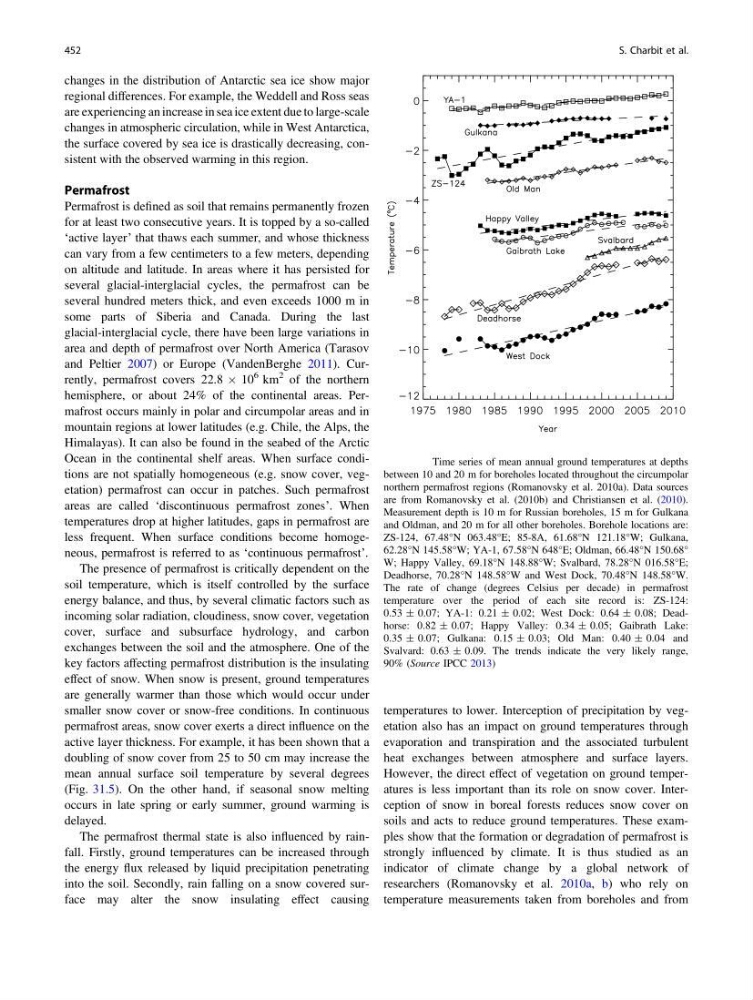
(Fig. 31.5). On the other hand, if seasonal snow melting
occurs in late spring or early summer, ground warming is
delayed.
The permafrost thermal state is also influenced by rainfall. Firstly, ground temperatures can be increased through
the energy flux released by liquid precipitation penetrating
into the soil. Secondly, rain falling on a snow covered surface may alter the snow insulating effect causing
temperatures to lower. Interception of precipitation by vegetation also has an impact on ground temperatures through
evaporation and transpiration and the associated turbulent
heat exchanges between atmosphere and surface layers.
However, the direct effect of vegetation on ground temperatures is less important than its role on snow cover. Interception of snow in boreal forests reduces snow cover on
soils and acts to reduce ground temperatures. These examples show that the formation or degradation of permafrost is
strongly influenced by climate. It is thus studied as an
indicator of climate change by a global network of
researchers (Romanovsky et al. 2010a, b) who rely on
temperature measurements taken from boreholes and from
Fig. 31.5 Time series of mean annual ground temperatures at depths
between 10 and 20 m for boreholes located throughout the circumpolar
northern permafrost regions (Romanovsky et al. 2010a). Data sources
are from Romanovsky et al. (2010b) and Christiansen et al. (2010).
Measurement depth is 10 m for Russian boreholes, 15 m for Gulkana
and Oldman, and 20 m for all other boreholes. Borehole locations are:
ZS-124, 67.48°N 063.48°E; 85-8A, 61.68°N 121.18°W; Gulkana,
62.28°N 145.58°W; YA-1, 67.58°N 648°E; Oldman, 66.48°N 150.68°
W; Happy Valley, 69.18°N 148.88°W; Svalbard, 78.28°N 016.58°E;
Deadhorse, 70.28°N 148.58°W and West Dock, 70.48°N 148.58°W.
The rate of change (degrees Celsius per decade) in permafrost
temperature over the period of each site record is: ZS-124:
0.53 ± 0.07; YA-1: 0.21 ± 0.02; West Dock: 0.64 ± 0.08; Deadhorse: 0.82 ± 0.07; Happy Valley: 0.34 ± 0.05; Gaibrath Lake:
0.35 ± 0.07; Gulkana: 0.15 ± 0.03; Old Man: 0.40 ± 0.04 and
Svalvard: 0.63 ± 0.09. The trends indicate the very likely range,
90% (Source IPCC 2013)
452
S. Charbit et al.
regional differences. For example, the Weddell and Ross seas
are experiencing an increase in sea ice extent due to large-scale
changes in atmospheric circulation, while in West Antarctica,
the surface covered by sea ice is drastically decreasing, consistent with the observed warming in this region.
Permafrost
Permafrost is defined as soil that remains permanently frozen
for at least two consecutive years. It is topped by a so-called
‘active layer’ that thaws each summer, and whose thickness
can vary from a few centimeters to a few meters, depending
on altitude and latitude. In areas where it has persisted for
several glacial-interglacial cycles, the permafrost can be
several hundred meters thick, and even exceeds 1000 m in
some parts of Siberia and Canada. During the last
glacial-interglacial cycle, there have been large variations in
area and depth of permafrost over North America (Tarasov
and Peltier 2007) or Europe (VandenBerghe 2011). Currently, permafrost covers 22.8 Â 10
6 km
2 of the northern
hemisphere, or about 24% of the continental areas. Permafrost occurs mainly in polar and circumpolar areas and in
mountain regions at lower latitudes (e.g. Chile, the Alps, the
Himalayas). It can also be found in the seabed of the Arctic
Ocean in the continental shelf areas. When surface conditions are not spatially homogeneous (e.g. snow cover, vegetation) permafrost can occur in patches. Such permafrost
areas are called ‘discontinuous permafrost zones’. When
temperatures drop at higher latitudes, gaps in permafrost are
less frequent. When surface conditions become homogeneous, permafrost is referred to as ‘continuous permafrost’.
The presence of permafrost is critically dependent on the
soil temperature, which is itself controlled by the surface
energy balance, and thus, by several climatic factors such as
incoming solar radiation, cloudiness, snow cover, vegetation
cover, surface and subsurface hydrology, and carbon
exchanges between the soil and the atmosphere. One of the
key factors affecting permafrost distribution is the insulating
effect of snow. When snow is present, ground temperatures
are generally warmer than those which would occur under
smaller snow cover or snow-free conditions. In continuous
permafrost areas, snow cover exerts a direct influence on the
active layer thickness. For example, it has been shown that a
doubling of snow cover from 25 to 50 cm may increase the
mean annual surface soil temperature by several degrees
(Fig. 31.5). On the other hand, if seasonal snow melting
occurs in late spring or early summer, ground warming is
delayed.
The permafrost thermal state is also influenced by rainfall. Firstly, ground temperatures can be increased through
the energy flux released by liquid precipitation penetrating
into the soil. Secondly, rain falling on a snow covered surface may alter the snow insulating effect causing
temperatures to lower. Interception of precipitation by vegetation also has an impact on ground temperatures through
evaporation and transpiration and the associated turbulent
heat exchanges between atmosphere and surface layers.
However, the direct effect of vegetation on ground temperatures is less important than its role on snow cover. Interception of snow in boreal forests reduces snow cover on
soils and acts to reduce ground temperatures. These examples show that the formation or degradation of permafrost is
strongly influenced by climate. It is thus studied as an
indicator of climate change by a global network of
researchers (Romanovsky et al. 2010a, b) who rely on
temperature measurements taken from boreholes and from
Fig. 31.5 Time series of mean annual ground temperatures at depths
between 10 and 20 m for boreholes located throughout the circumpolar
northern permafrost regions (Romanovsky et al. 2010a). Data sources
are from Romanovsky et al. (2010b) and Christiansen et al. (2010).
Measurement depth is 10 m for Russian boreholes, 15 m for Gulkana
and Oldman, and 20 m for all other boreholes. Borehole locations are:
ZS-124, 67.48°N 063.48°E; 85-8A, 61.68°N 121.18°W; Gulkana,
62.28°N 145.58°W; YA-1, 67.58°N 648°E; Oldman, 66.48°N 150.68°
W; Happy Valley, 69.18°N 148.88°W; Svalbard, 78.28°N 016.58°E;
Deadhorse, 70.28°N 148.58°W and West Dock, 70.48°N 148.58°W.
The rate of change (degrees Celsius per decade) in permafrost
temperature over the period of each site record is: ZS-124:
0.53 ± 0.07; YA-1: 0.21 ± 0.02; West Dock: 0.64 ± 0.08; Deadhorse: 0.82 ± 0.07; Happy Valley: 0.34 ± 0.05; Gaibrath Lake:
0.35 ± 0.07; Gulkana: 0.15 ± 0.03; Old Man: 0.40 ± 0.04 and
Svalvard: 0.63 ± 0.09. The trends indicate the very likely range,
90% (Source IPCC 2013)
452
S. Charbit et al.