

sediment core. We therefore decided to take a new sediment
core at a position close to that of core AS96-1, using the
latest generation of the UWITEC coring system available in
2010 which now provides excellent material to improve the
age model by combining radiocarbon dating and varve
counting for large parts of the Holocene (Czymzik et al.
2013) and through radiocarbon dating and tephrochronology
for the Late Glacial period. Sample treatment and the
selection of monospecific shell material from the last
5500 years are ongoing. More highly-resolved and
well-dated records will come from Mondsee (Austria) and
Lac d’Annecy (France). For both records, all necessary
monospecific carbonate samples have been prepared and are
currently being analysed. A new sediment core from Lago
d’Iseo (Italy) will provide a d
18 O P record for the southern
central Alps. However, this record will be discontinuous due
to the lack of preserved carbonate material in parts of the
sequence.
Late Glacial and Early Holocene Shallow-Water
Temperatures
As shown above, the d
18 O of ostracods and molluscs living
in shallow water carries combined information on the d
18 O L
and the water temperature at the moment of calcification.
Some of the species and their instars have a seasonal preference for calcification. Therefore, it should be possible to
calculate the water temperature of this time interval from
d
18 O of fossil valves, if d
18 O L for the given deposition time
is known. Figure 15.6 shows, for example, the d
18 O records
of Pisidium from three cores taken in Ammersee at 6, 7 and
11 m modern water depth, compared with the deep-lake
d
18 O measured on juvenile Candona, all corrected for the
respective vital offsets. The difference between littoral and
profundal d
18 O values should give the mean water temperature for the shell growth period of Pisidium, i.e. summer (t s )
at the littoral sites according to t s = 4 °C − (d
18 O Cs −
18 O Pi )/(0.23‰/°C) (von Grafenstein et al. 1999a, b). For the
sites at 6 and 7 m, summer water temperatures are rather
similar and range between 6 and 12 °C for the period from
14.8 to 12.7 ky B.P. (Bølling/Allerød), i.e. on average 4 °C
colder than today’s 13 °C at this water depth in Ammersee.
During the Younger Dryas they are 6 °C, i.e. −7 °C with
respect to modern values. Summer water temperatures reach
present-day values immediately after the end of the Younger
Dryas. For the core from 11 m water depth, the early
Holocene summer water temperatures are also close to the
respective observed modern equivalent (9 ± 3 °C), in contrast to the 6 ± 2 °C during the Younger Dryas. Together,
these results indicate a strong reduction in the stability of the
thermal summer stratification of the water column due to
considerably colder air temperatures during the Younger
Dryas.
The summer water temperatures calculated from the differences between valves from littoral and profundal benthic
organisms are an independent confirmation of the climatic
significance of the changes in d
18 O P . They provide one of
the rare temperature reconstructions for the late Glacial in
Central Europe, which is derived from a physicochemical
process, such as the temperature-dependent oxygen isotope
fractionation between water and calcite. Theoretically,
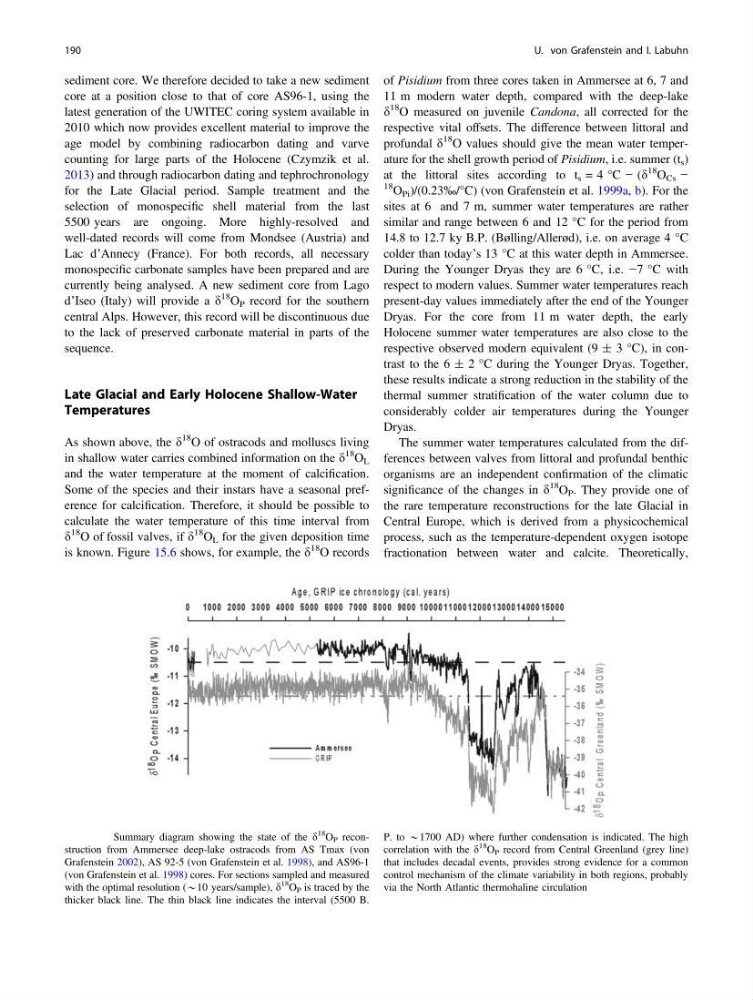
Fig. 15.5 Summary diagram showing the state of the d
18
O P reconstruction from Ammersee deep-lake ostracods from AS Tmax (von
Grafenstein 2002), AS 92-5 (von Grafenstein et al. 1998), and AS96-1
(von Grafenstein et al. 1998) cores. For sections sampled and measured
with the optimal resolution (*10 years/sample), d
18
O P is traced by the
thicker black line. The thin black line indicates the interval (5500 B.
P. to *1700 AD) where further condensation is indicated. The high
correlation with the d
18
O P record from Central Greenland (grey line)
that includes decadal events, provides strong evidence for a common
control mechanism of the climate variability in both regions, probably
via the North Atlantic thermohaline circulation
190
U. von Grafenstein and I. Labuhn
core at a position close to that of core AS96-1, using the
latest generation of the UWITEC coring system available in
2010 which now provides excellent material to improve the
age model by combining radiocarbon dating and varve
counting for large parts of the Holocene (Czymzik et al.
2013) and through radiocarbon dating and tephrochronology
for the Late Glacial period. Sample treatment and the
selection of monospecific shell material from the last
5500 years are ongoing. More highly-resolved and
well-dated records will come from Mondsee (Austria) and
Lac d’Annecy (France). For both records, all necessary
monospecific carbonate samples have been prepared and are
currently being analysed. A new sediment core from Lago
d’Iseo (Italy) will provide a d
18 O P record for the southern
central Alps. However, this record will be discontinuous due
to the lack of preserved carbonate material in parts of the
sequence.
Late Glacial and Early Holocene Shallow-Water
Temperatures
As shown above, the d
18 O of ostracods and molluscs living
in shallow water carries combined information on the d
18 O L
and the water temperature at the moment of calcification.
Some of the species and their instars have a seasonal preference for calcification. Therefore, it should be possible to
calculate the water temperature of this time interval from
d
18 O of fossil valves, if d
18 O L for the given deposition time
is known. Figure 15.6 shows, for example, the d
18 O records
of Pisidium from three cores taken in Ammersee at 6, 7 and
11 m modern water depth, compared with the deep-lake
d
18 O measured on juvenile Candona, all corrected for the
respective vital offsets. The difference between littoral and
profundal d
18 O values should give the mean water temperature for the shell growth period of Pisidium, i.e. summer (t s )
at the littoral sites according to t s = 4 °C − (d
18 O Cs −
18 O Pi )/(0.23‰/°C) (von Grafenstein et al. 1999a, b). For the
sites at 6 and 7 m, summer water temperatures are rather
similar and range between 6 and 12 °C for the period from
14.8 to 12.7 ky B.P. (Bølling/Allerød), i.e. on average 4 °C
colder than today’s 13 °C at this water depth in Ammersee.
During the Younger Dryas they are 6 °C, i.e. −7 °C with
respect to modern values. Summer water temperatures reach
present-day values immediately after the end of the Younger
Dryas. For the core from 11 m water depth, the early
Holocene summer water temperatures are also close to the
respective observed modern equivalent (9 ± 3 °C), in contrast to the 6 ± 2 °C during the Younger Dryas. Together,
these results indicate a strong reduction in the stability of the
thermal summer stratification of the water column due to
considerably colder air temperatures during the Younger
Dryas.
The summer water temperatures calculated from the differences between valves from littoral and profundal benthic
organisms are an independent confirmation of the climatic
significance of the changes in d
18 O P . They provide one of
the rare temperature reconstructions for the late Glacial in
Central Europe, which is derived from a physicochemical
process, such as the temperature-dependent oxygen isotope
fractionation between water and calcite. Theoretically,
Fig. 15.5 Summary diagram showing the state of the d
18
O P reconstruction from Ammersee deep-lake ostracods from AS Tmax (von
Grafenstein 2002), AS 92-5 (von Grafenstein et al. 1998), and AS96-1
(von Grafenstein et al. 1998) cores. For sections sampled and measured
with the optimal resolution (*10 years/sample), d
18
O P is traced by the
thicker black line. The thin black line indicates the interval (5500 B.
P. to *1700 AD) where further condensation is indicated. The high
correlation with the d
18
O P record from Central Greenland (grey line)
that includes decadal events, provides strong evidence for a common
control mechanism of the climate variability in both regions, probably
via the North Atlantic thermohaline circulation
190
U. von Grafenstein and I. Labuhn