

59
lines, the culture of mammal embryos still unable of independent life, and nonmammals embryonic or larval development. In this last group, the zebrafish plays a
pivotal role as model species and bridges together reproductive toxicity and
environmental studies. These last exceed the limits of this work; however, some
recent and comprehensive review are available (Bour et al. 2015; Cattaneo 2018:
Gambardella et al. 2016; Celá et al. 2014; Higashisaka et al. 2017; Revel et al. 2017;
Sarmah and Marrs 2016; Taylor et al. 2012).
The implementation of alternative methods to study the reproductive toxicity of
nanomaterials is recent, and no guidelines are available until now. A comprehensive
and rigorous project evaluated the toxicity of ten well-characterized nano-oxides.
The twelve standard in vitro assays focused different endpoints. The assay for the
male gonad, based on mouse Leydig and Sertoli cell lines, investigated the male
reproductive system, while the embryonic stem cell test focused on the
embryotoxicity and differentiation of undifferentiated cells into contracting
myocardial cells. Other endpoints, such as the proliferation of 3 T3 fibroblasts, are
recommended to discriminate pure reproductive or developmental toxicity from
general toxicity (Farcal et al. 2015). A recent protocol was specifically dedicated to
the embryonic toxicity of metallic nanoparticles in the zebrafish (Pecoraro
et al. 2017).
The following sections present standardized or more innovative alternative
assays applied to nanomaterials and discuss the negative and positive aspects on
reproduction and development.
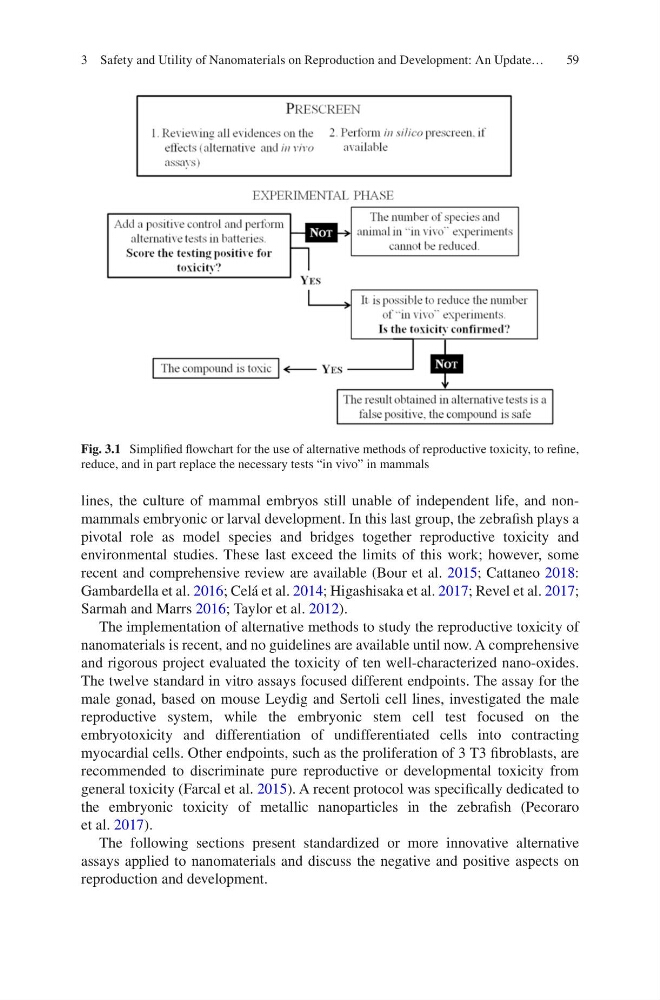
Fig. 3.1 Simplified flowchart for the use of alternative methods of reproductive toxicity, to refine,
reduce, and in part replace the necessary tests “in vivo” in mammals
3 Safety and Utility of Nanomaterials on Reproduction and Development: An Update…
lines, the culture of mammal embryos still unable of independent life, and nonmammals embryonic or larval development. In this last group, the zebrafish plays a
pivotal role as model species and bridges together reproductive toxicity and
environmental studies. These last exceed the limits of this work; however, some
recent and comprehensive review are available (Bour et al. 2015; Cattaneo 2018:
Gambardella et al. 2016; Celá et al. 2014; Higashisaka et al. 2017; Revel et al. 2017;
Sarmah and Marrs 2016; Taylor et al. 2012).
The implementation of alternative methods to study the reproductive toxicity of
nanomaterials is recent, and no guidelines are available until now. A comprehensive
and rigorous project evaluated the toxicity of ten well-characterized nano-oxides.
The twelve standard in vitro assays focused different endpoints. The assay for the
male gonad, based on mouse Leydig and Sertoli cell lines, investigated the male
reproductive system, while the embryonic stem cell test focused on the
embryotoxicity and differentiation of undifferentiated cells into contracting
myocardial cells. Other endpoints, such as the proliferation of 3 T3 fibroblasts, are
recommended to discriminate pure reproductive or developmental toxicity from
general toxicity (Farcal et al. 2015). A recent protocol was specifically dedicated to
the embryonic toxicity of metallic nanoparticles in the zebrafish (Pecoraro
et al. 2017).
The following sections present standardized or more innovative alternative
assays applied to nanomaterials and discuss the negative and positive aspects on
reproduction and development.
Fig. 3.1 Simplified flowchart for the use of alternative methods of reproductive toxicity, to refine,
reduce, and in part replace the necessary tests “in vivo” in mammals
3 Safety and Utility of Nanomaterials on Reproduction and Development: An Update…