

231
modify their properties that affect their fate (Glenn and Klaine 2013; HernandezViezcas et al. 2013; Sun et al. 2009; Lowry et al. 2010).
They also interact with food chain organisms at lower trophic levels and/or upper
ones (Keller and Lazareva 2013). The emerging information on trophic transfer
assessment has corroborated that at least two trophic steps contaminated with nanomaterials (Mortimer et al. 2016; Kim et al. 2016; Chae and An 2016). Findings in
2017 showed that behavioral disorders of a fish are connected to plastic nanoparticles in its brain as a top consumer; however, we could not completely follow up
details of nanomaterials journey in the body (Mattsson et al. 2017).
When nanomaterials have been taken up by living cells, they can be accumulated
within cell membrane and various parts of cytoplasm or they can cling to a set of
different components within surrounding environment like gastrointestinal fluids,
food matrix, and even microbiota (Lai et al. 2009; Crater and Carrier 2010; Nel
et al. 2006; Oberdorster et al. 2005; Li et al. 2018). Protein conjugation with engineered nanomaterials may increase their entrance to the cells (John et al. 2001;
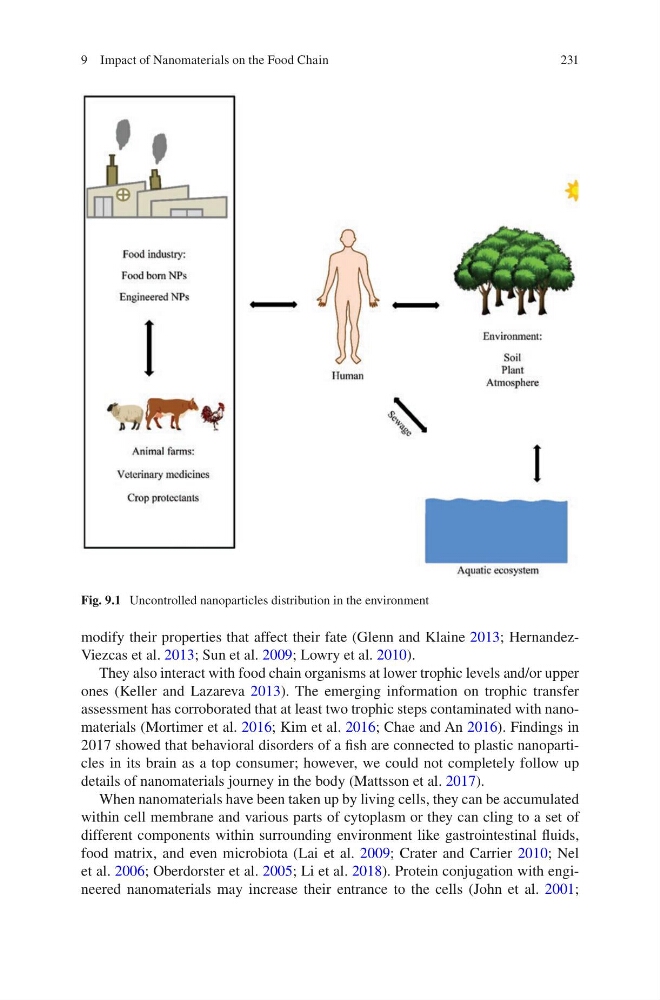
Fig. 9.1 Uncontrolled nanoparticles distribution in the environment
9 Impact of Nanomaterials on the Food Chain
modify their properties that affect their fate (Glenn and Klaine 2013; HernandezViezcas et al. 2013; Sun et al. 2009; Lowry et al. 2010).
They also interact with food chain organisms at lower trophic levels and/or upper
ones (Keller and Lazareva 2013). The emerging information on trophic transfer
assessment has corroborated that at least two trophic steps contaminated with nanomaterials (Mortimer et al. 2016; Kim et al. 2016; Chae and An 2016). Findings in
2017 showed that behavioral disorders of a fish are connected to plastic nanoparticles in its brain as a top consumer; however, we could not completely follow up
details of nanomaterials journey in the body (Mattsson et al. 2017).
When nanomaterials have been taken up by living cells, they can be accumulated
within cell membrane and various parts of cytoplasm or they can cling to a set of
different components within surrounding environment like gastrointestinal fluids,
food matrix, and even microbiota (Lai et al. 2009; Crater and Carrier 2010; Nel
et al. 2006; Oberdorster et al. 2005; Li et al. 2018). Protein conjugation with engineered nanomaterials may increase their entrance to the cells (John et al. 2001;
Fig. 9.1 Uncontrolled nanoparticles distribution in the environment
9 Impact of Nanomaterials on the Food Chain