

354
R. dell’Erba
Alternative
5
10
15
20
10
12
14
16
18
20
22
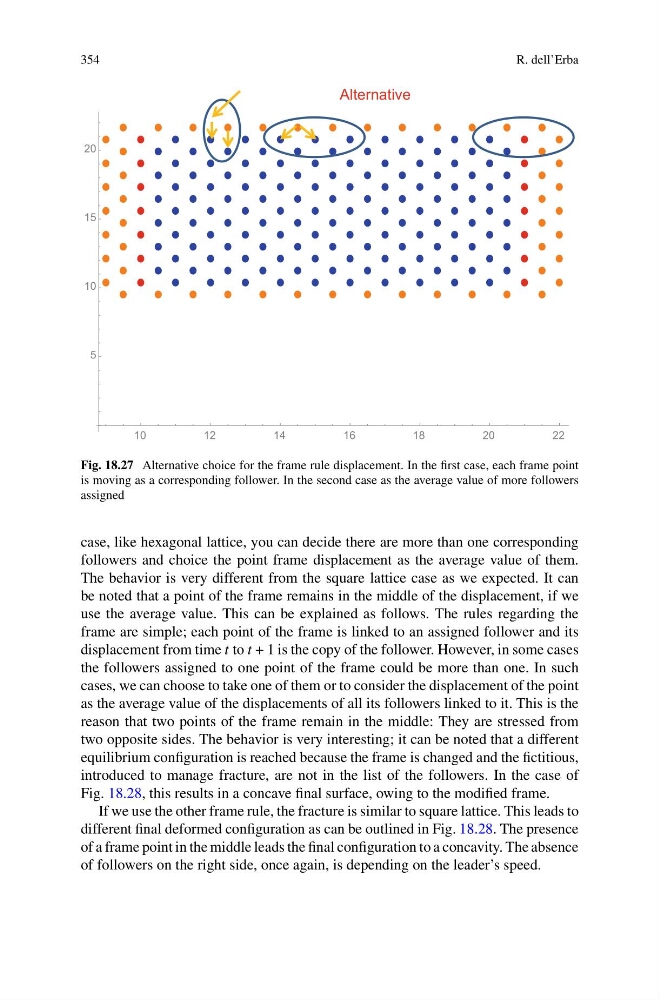
Fig. 18.27 Alternative choice for the frame rule displacement. In the first case, each frame point
is moving as a corresponding follower. In the second case as the average value of more followers
assigned
case, like hexagonal lattice, you can decide there are more than one corresponding
followers and choice the point frame displacement as the average value of them.
The behavior is very different from the square lattice case as we expected. It can
be noted that a point of the frame remains in the middle of the displacement, if we
use the average value. This can be explained as follows. The rules regarding the
frame are simple; each point of the frame is linked to an assigned follower and its
displacement from time t to t + 1 is the copy of the follower. However, in some cases
the followers assigned to one point of the frame could be more than one. In such
cases, we can choose to take one of them or to consider the displacement of the point
as the average value of the displacements of all its followers linked to it. This is the
reason that two points of the frame remain in the middle: They are stressed from
two opposite sides. The behavior is very interesting; it can be noted that a different
equilibrium configuration is reached because the frame is changed and the fictitious,
introduced to manage fracture, are not in the list of the followers. In the case of
Fig. 18.28, this results in a concave final surface, owing to the modified frame.
If we use the other frame rule, the fracture is similar to square lattice. This leads to
different final deformed configuration as can be outlined in Fig. 18.28. The presence
of a frame point in the middle leads the final configuration to a concavity. The absence
of followers on the right side, once again, is depending on the leader’s speed.
R. dell’Erba
Alternative
5
10
15
20
10
12
14
16
18
20
22
Fig. 18.27 Alternative choice for the frame rule displacement. In the first case, each frame point
is moving as a corresponding follower. In the second case as the average value of more followers
assigned
case, like hexagonal lattice, you can decide there are more than one corresponding
followers and choice the point frame displacement as the average value of them.
The behavior is very different from the square lattice case as we expected. It can
be noted that a point of the frame remains in the middle of the displacement, if we
use the average value. This can be explained as follows. The rules regarding the
frame are simple; each point of the frame is linked to an assigned follower and its
displacement from time t to t + 1 is the copy of the follower. However, in some cases
the followers assigned to one point of the frame could be more than one. In such
cases, we can choose to take one of them or to consider the displacement of the point
as the average value of the displacements of all its followers linked to it. This is the
reason that two points of the frame remain in the middle: They are stressed from
two opposite sides. The behavior is very interesting; it can be noted that a different
equilibrium configuration is reached because the frame is changed and the fictitious,
introduced to manage fracture, are not in the list of the followers. In the case of
Fig. 18.28, this results in a concave final surface, owing to the modified frame.
If we use the other frame rule, the fracture is similar to square lattice. This leads to
different final deformed configuration as can be outlined in Fig. 18.28. The presence
of a frame point in the middle leads the final configuration to a concavity. The absence
of followers on the right side, once again, is depending on the leader’s speed.