

71
lar importance in user-driven products are critical issues that center
around classic design characteristics such as form, proportion,
materiality, color, tactility, and so forth. Also critical are issues of
what designers frequently call design consistency. Terms such design
coherency or design integrity imply broadly similar concepts. These
concepts generally refer to the extent to which a design collectively
holds together with respect to a collective view of visual, interface,
and functional issues.
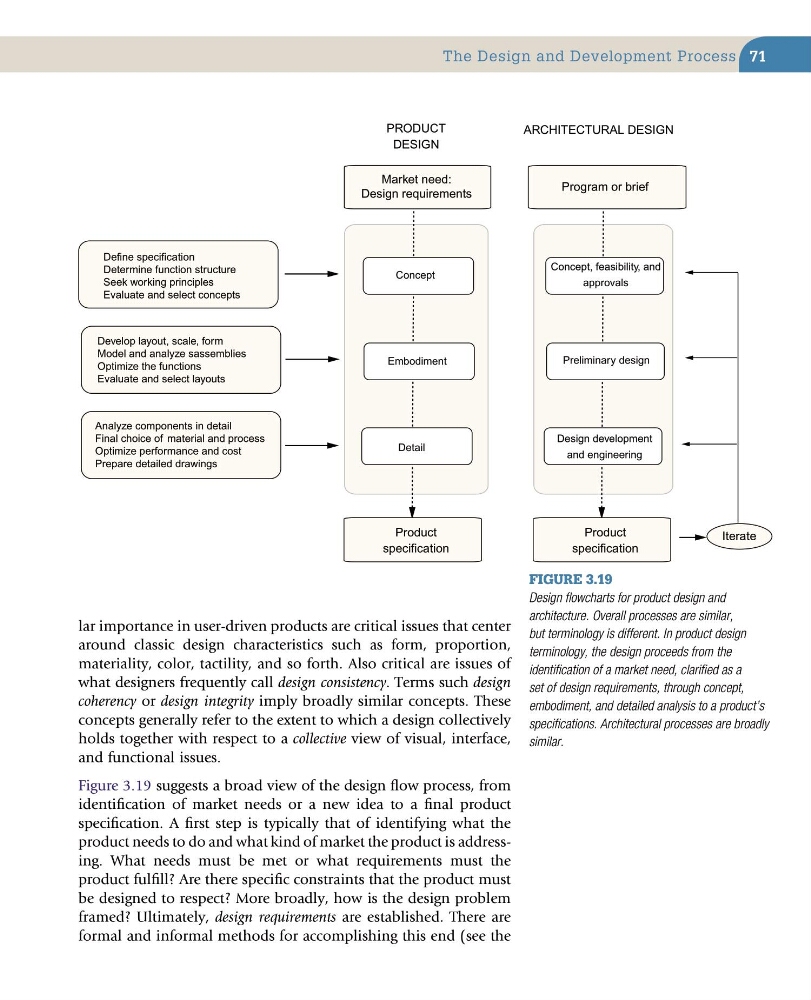
Figure 3.19 suggests a broad view of the design flow process, from
identification of market needs or a new idea to a final product
specification. A first step is typically that of identifying what the
product needs to do and what kind of market the product is addressing. What needs must be met or what requirements must the
product fulfill? Are there specific constraints that the product must
be designed to respect? More broadly, how is the design problem
framed? Ultimately, design requirements are established. There are
formal and informal methods for accomplishing this end (see the
Figure 3.19
Design flowcharts for product design and
architecture. Overall processes are similar,
but terminology is different. In product design
terminology, the design proceeds from the
identification of a market need, clarified as a
set of design requirements, through concept,
embodiment, and detailed analysis to a product’s
specifications. Architectural processes are broadly
similar.
Market need:
Design requirements
Product
specification
Iterate
Program or brief
Product
specification
Preliminary design
Design development
and engineering
Concept, feasibility, and
approvals
Detail
Embodiment
Concept
ARCHITECTURAL DESIGN
PRODUCT
DESIGN
Define specification
Determine function structure
Seek working principles
Evaluate and select concepts
Develop layout, scale, form
Model and analyze sassemblies
Optimize the functions
Evaluate and select layouts
Analyze components in detail
Final choice of material and process
Optimize performance and cost
Prepare detailed drawings
The Design and Development Process
lar importance in user-driven products are critical issues that center
around classic design characteristics such as form, proportion,
materiality, color, tactility, and so forth. Also critical are issues of
what designers frequently call design consistency. Terms such design
coherency or design integrity imply broadly similar concepts. These
concepts generally refer to the extent to which a design collectively
holds together with respect to a collective view of visual, interface,
and functional issues.
Figure 3.19 suggests a broad view of the design flow process, from
identification of market needs or a new idea to a final product
specification. A first step is typically that of identifying what the
product needs to do and what kind of market the product is addressing. What needs must be met or what requirements must the
product fulfill? Are there specific constraints that the product must
be designed to respect? More broadly, how is the design problem
framed? Ultimately, design requirements are established. There are
formal and informal methods for accomplishing this end (see the
Figure 3.19
Design flowcharts for product design and
architecture. Overall processes are similar,
but terminology is different. In product design
terminology, the design proceeds from the
identification of a market need, clarified as a
set of design requirements, through concept,
embodiment, and detailed analysis to a product’s
specifications. Architectural processes are broadly
similar.
Market need:
Design requirements
Product
specification
Iterate
Program or brief
Product
specification
Preliminary design
Design development
and engineering
Concept, feasibility, and
approvals
Detail
Embodiment
Concept
ARCHITECTURAL DESIGN
PRODUCT
DESIGN
Define specification
Determine function structure
Seek working principles
Evaluate and select concepts
Develop layout, scale, form
Model and analyze sassemblies
Optimize the functions
Evaluate and select layouts
Analyze components in detail
Final choice of material and process
Optimize performance and cost
Prepare detailed drawings
The Design and Development Process