

C hapter 1 Nanomaterials and Nanotechnologies: an overview
2
could swallow the surgeon. You put the mechanical surgeon
inside the blood vessel and it goes into the heart and
“looks” around. It finds out which valve is the faulty one
and takes a little knife and slices it out.
Although Feynman could not predict it, this lecture was to become
a central point in the field of nanotechnology, long before anything related with the word nano had emerged. Feynman’s vision
was amazing, particularly if we consider that a broad spectrum of
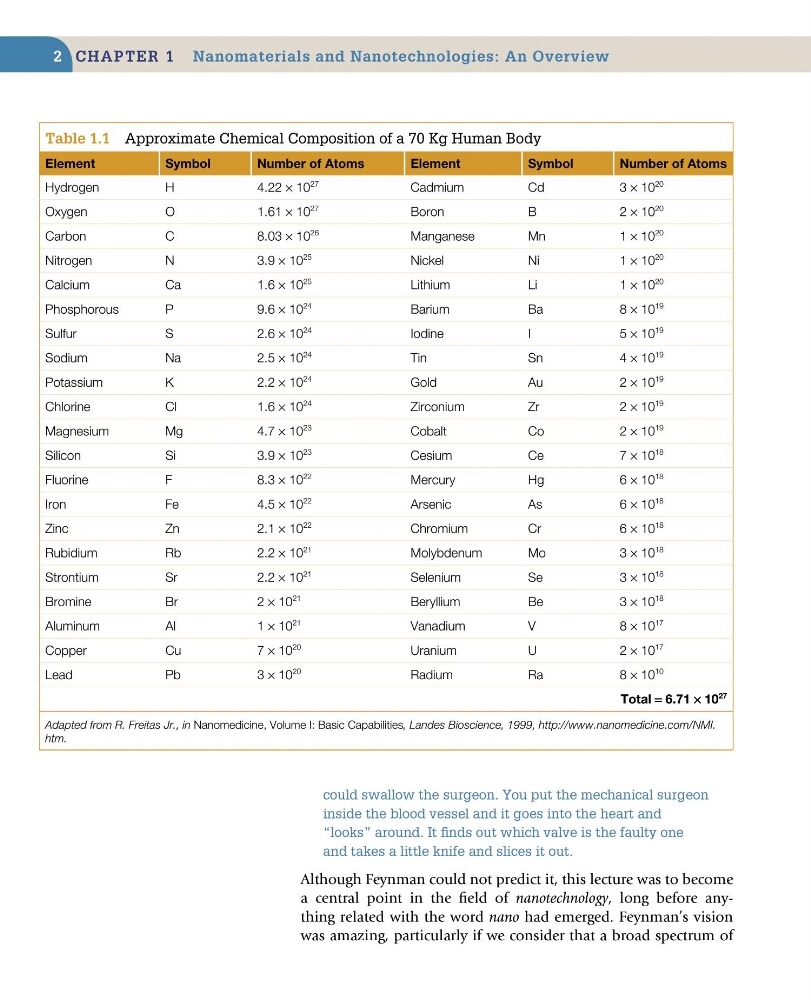
table 1.1 Approximate Chemical Composition of a 70 Kg Human Body
Element
Symbol
Number of Atoms
Element
Symbol
Number of Atoms
Hydrogen
H
4.22 × 10
27
Cadmium
Cd
3 × 10
20
Oxygen
O
1.61 × 10
27
Boron
B
2 × 10
20
Carbon
C
8.03 × 10
26
Manganese
Mn
1 × 10
20
Nitrogen
N
3.9 × 10
25
Nickel
Ni
1 × 10
20
Calcium
Ca
1.6 × 10
25
Lithium
Li
1 × 10
20
Phosphorous
P
9.6 × 10
24
Barium
Ba
8 × 10
19
Sulfur
S
2.6 × 10
24
Iodine
I
5 × 10
19
Sodium
Na
2.5 × 10
24
Tin
Sn
4 × 10
19
Potassium
K
2.2 × 10
24
Gold
Au
2 × 10
19
Chlorine
Cl
1.6 × 10
24
Zirconium
Zr
2 × 10
19
Magnesium
Mg
4.7 × 10
23
Cobalt
Co
2 × 10
19
Silicon
Si
3.9 × 10
23
Cesium
Ce
7 × 10
18
Fluorine
F
8.3 × 10
22
Mercury
Hg
6 × 10
18
Iron
Fe
4.5 × 10
22
Arsenic
As
6 × 10
18
Zinc
Zn
2.1 × 10
22
Chromium
Cr
6 × 10
18
Rubidium
Rb
2.2 × 10
21
Molybdenum
Mo
3 × 10
18
Strontium
Sr
2.2 × 10
21
Selenium
Se
3 × 10
18
Bromine
Br
2 × 10
21
Beryllium
Be
3 × 10
18
Aluminum
Al
1 × 10
21
Vanadium
V
8 × 10
17
Copper
Cu
7 × 10
20
Uranium
U
2 × 10
17
Lead
Pb
3 × 10
20
Radium
Ra
8 × 10
10
Total = 6.71 × 10
27
Adapted from R. Freitas Jr., in Nanomedicine, Volume I: Basic Capabilities, Landes Bioscience, 1999, http://www.nanomedicine.com/NMI.
htm.
2
could swallow the surgeon. You put the mechanical surgeon
inside the blood vessel and it goes into the heart and
“looks” around. It finds out which valve is the faulty one
and takes a little knife and slices it out.
Although Feynman could not predict it, this lecture was to become
a central point in the field of nanotechnology, long before anything related with the word nano had emerged. Feynman’s vision
was amazing, particularly if we consider that a broad spectrum of
table 1.1 Approximate Chemical Composition of a 70 Kg Human Body
Element
Symbol
Number of Atoms
Element
Symbol
Number of Atoms
Hydrogen
H
4.22 × 10
27
Cadmium
Cd
3 × 10
20
Oxygen
O
1.61 × 10
27
Boron
B
2 × 10
20
Carbon
C
8.03 × 10
26
Manganese
Mn
1 × 10
20
Nitrogen
N
3.9 × 10
25
Nickel
Ni
1 × 10
20
Calcium
Ca
1.6 × 10
25
Lithium
Li
1 × 10
20
Phosphorous
P
9.6 × 10
24
Barium
Ba
8 × 10
19
Sulfur
S
2.6 × 10
24
Iodine
I
5 × 10
19
Sodium
Na
2.5 × 10
24
Tin
Sn
4 × 10
19
Potassium
K
2.2 × 10
24
Gold
Au
2 × 10
19
Chlorine
Cl
1.6 × 10
24
Zirconium
Zr
2 × 10
19
Magnesium
Mg
4.7 × 10
23
Cobalt
Co
2 × 10
19
Silicon
Si
3.9 × 10
23
Cesium
Ce
7 × 10
18
Fluorine
F
8.3 × 10
22
Mercury
Hg
6 × 10
18
Iron
Fe
4.5 × 10
22
Arsenic
As
6 × 10
18
Zinc
Zn
2.1 × 10
22
Chromium
Cr
6 × 10
18
Rubidium
Rb
2.2 × 10
21
Molybdenum
Mo
3 × 10
18
Strontium
Sr
2.2 × 10
21
Selenium
Se
3 × 10
18
Bromine
Br
2 × 10
21
Beryllium
Be
3 × 10
18
Aluminum
Al
1 × 10
21
Vanadium
V
8 × 10
17
Copper
Cu
7 × 10
20
Uranium
U
2 × 10
17
Lead
Pb
3 × 10
20
Radium
Ra
8 × 10
10
Total = 6.71 × 10
27
Adapted from R. Freitas Jr., in Nanomedicine, Volume I: Basic Capabilities, Landes Bioscience, 1999, http://www.nanomedicine.com/NMI.
htm.