

3.3 The Chlorofluorocarbons’ Fate in the Atmosphere
Chlorofluorocarbons (CFCs) have a general formula C n F x Cl 2n+2−x and were used in
aerosols, refrigerators (as substitutes of ammonia (NH 3 ), sulfur trioxide (SO 3 ), and
methylchloride (CH 3 Cl)), air conditioners, foam food packaging, and fire extinguishers. They were synthesized in 1928 with the express target of substituting the
abovementioned gases in refrigerators after a huge problem caused by a leakage of
toxic methyl chloride. They had a great acceptance and enormous consensus by
scientists and the public because they are odorless and non-reactive at the point that
before 1996, they were even used against asthma. CFCs were produced at the level
of Mt/y in the 1980s–1990s. CFCs are not decomposed in the troposphere and reach
the stratosphere unaltered, located 25–30 km above the Earth surface, where they
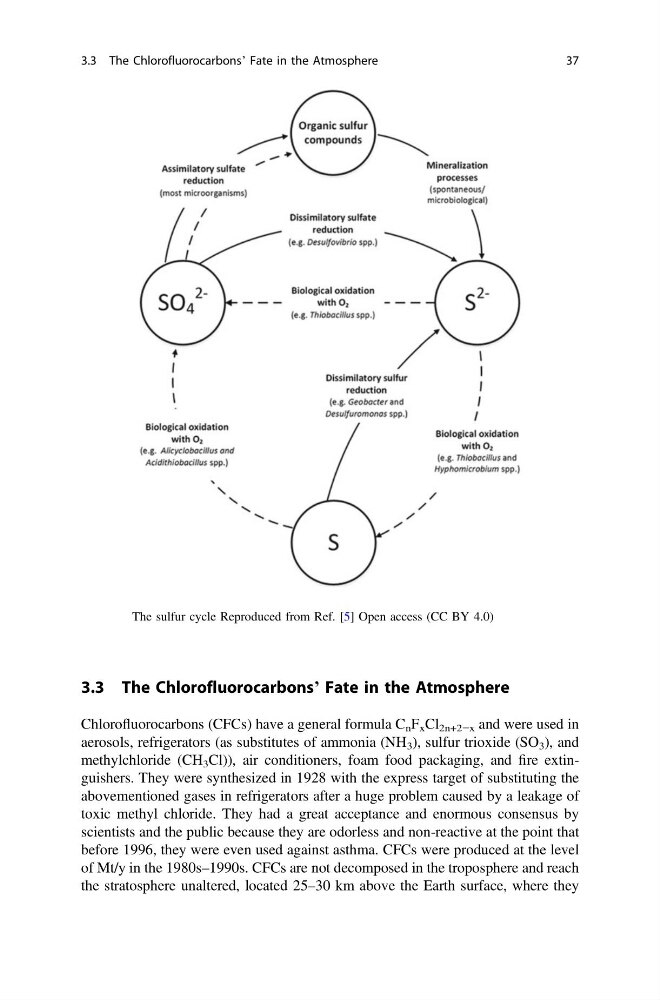
Fig. 3.5 The sulfur cycle Reproduced from Ref. [5] Open access (CC BY 4.0)
3.3 The Chlorofluorocarbons’ Fate in the Atmosphere
37
Chlorofluorocarbons (CFCs) have a general formula C n F x Cl 2n+2−x and were used in
aerosols, refrigerators (as substitutes of ammonia (NH 3 ), sulfur trioxide (SO 3 ), and
methylchloride (CH 3 Cl)), air conditioners, foam food packaging, and fire extinguishers. They were synthesized in 1928 with the express target of substituting the
abovementioned gases in refrigerators after a huge problem caused by a leakage of
toxic methyl chloride. They had a great acceptance and enormous consensus by
scientists and the public because they are odorless and non-reactive at the point that
before 1996, they were even used against asthma. CFCs were produced at the level
of Mt/y in the 1980s–1990s. CFCs are not decomposed in the troposphere and reach
the stratosphere unaltered, located 25–30 km above the Earth surface, where they
Fig. 3.5 The sulfur cycle Reproduced from Ref. [5] Open access (CC BY 4.0)
3.3 The Chlorofluorocarbons’ Fate in the Atmosphere
37