

4.2 Gas-Filled Detectors
31
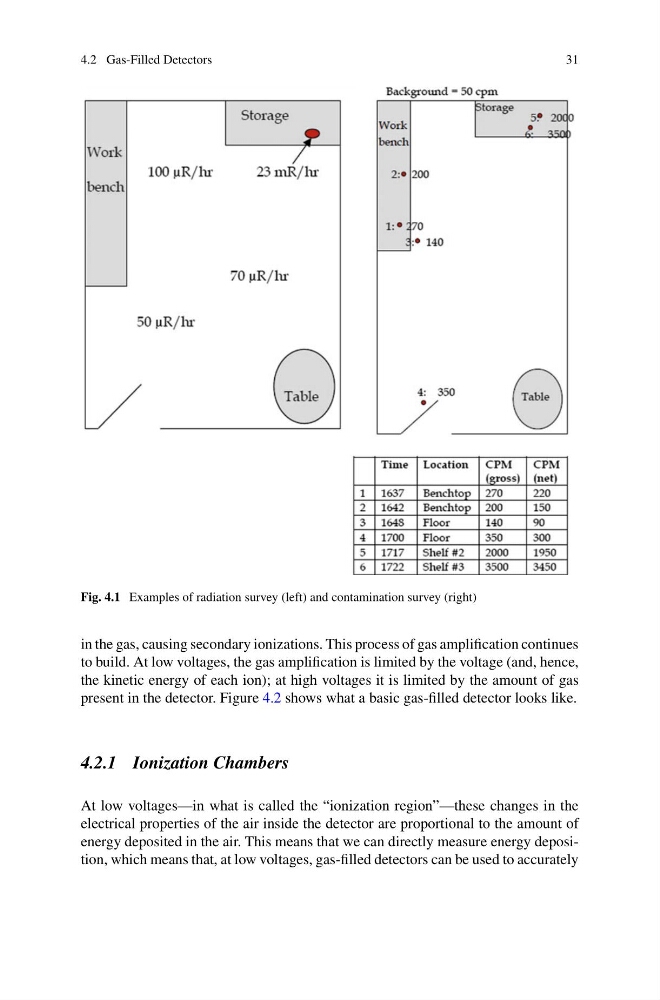
Fig. 4.1 Examples of radiation survey (left) and contamination survey (right)
in the gas, causing secondary ionizations. This process of gas amplification continues
to build. At low voltages, the gas amplification is limited by the voltage (and, hence,
the kinetic energy of each ion); at high voltages it is limited by the amount of gas
present in the detector. Figure 4.2 shows what a basic gas-filled detector looks like.
4.2.1 Ionization Chambers
At low voltages—in what is called the “ionization region”—these changes in the
electrical properties of the air inside the detector are proportional to the amount of
energy deposited in the air. This means that we can directly measure energy deposition, which means that, at low voltages, gas-filled detectors can be used to accurately
31
Fig. 4.1 Examples of radiation survey (left) and contamination survey (right)
in the gas, causing secondary ionizations. This process of gas amplification continues
to build. At low voltages, the gas amplification is limited by the voltage (and, hence,
the kinetic energy of each ion); at high voltages it is limited by the amount of gas
present in the detector. Figure 4.2 shows what a basic gas-filled detector looks like.
4.2.1 Ionization Chambers
At low voltages—in what is called the “ionization region”—these changes in the
electrical properties of the air inside the detector are proportional to the amount of
energy deposited in the air. This means that we can directly measure energy deposition, which means that, at low voltages, gas-filled detectors can be used to accurately