

132
13 Developing a Radiological and Nuclear Interdiction Network
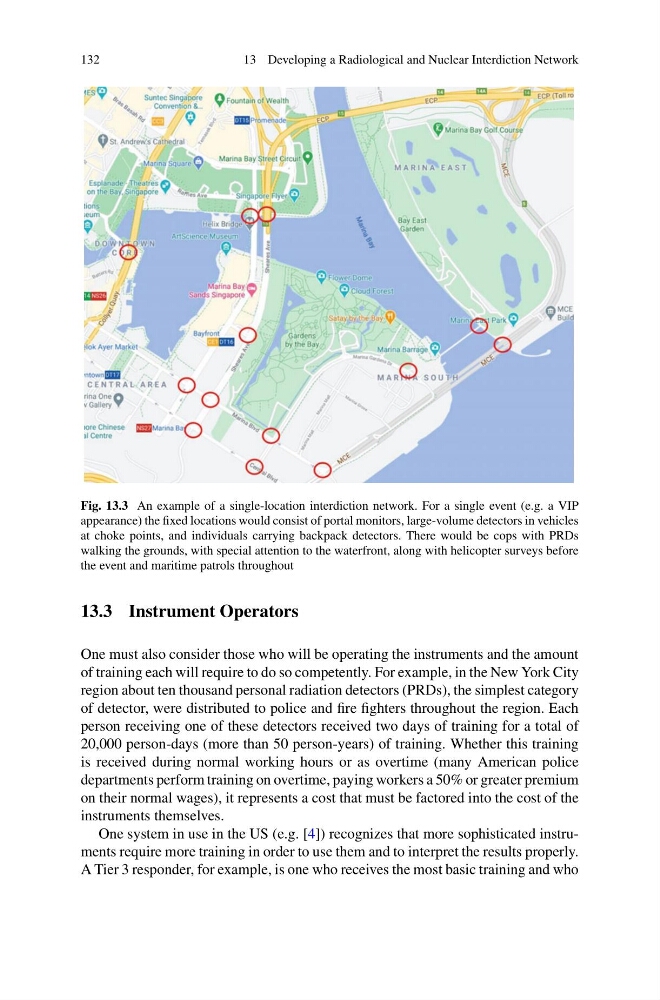
Fig. 13.3 An example of a single-location interdiction network. For a single event (e.g. a VIP
appearance) the fixed locations would consist of portal monitors, large-volume detectors in vehicles
at choke points, and individuals carrying backpack detectors. There would be cops with PRDs
walking the grounds, with special attention to the waterfront, along with helicopter surveys before
the event and maritime patrols throughout
13.3 Instrument Operators
One must also consider those who will be operating the instruments and the amount
of training each will require to do so competently. For example, in the New York City
region about ten thousand personal radiation detectors (PRDs), the simplest category
of detector, were distributed to police and fire fighters throughout the region. Each
person receiving one of these detectors received two days of training for a total of
20,000 person-days (more than 50 person-years) of training. Whether this training
is received during normal working hours or as overtime (many American police
departments perform training on overtime, paying workers a 50% or greater premium
on their normal wages), it represents a cost that must be factored into the cost of the
instruments themselves.
One system in use in the US (e.g. [4]) recognizes that more sophisticated instruments require more training in order to use them and to interpret the results properly.
A Tier 3 responder, for example, is one who receives the most basic training and who
13 Developing a Radiological and Nuclear Interdiction Network
Fig. 13.3 An example of a single-location interdiction network. For a single event (e.g. a VIP
appearance) the fixed locations would consist of portal monitors, large-volume detectors in vehicles
at choke points, and individuals carrying backpack detectors. There would be cops with PRDs
walking the grounds, with special attention to the waterfront, along with helicopter surveys before
the event and maritime patrols throughout
13.3 Instrument Operators
One must also consider those who will be operating the instruments and the amount
of training each will require to do so competently. For example, in the New York City
region about ten thousand personal radiation detectors (PRDs), the simplest category
of detector, were distributed to police and fire fighters throughout the region. Each
person receiving one of these detectors received two days of training for a total of
20,000 person-days (more than 50 person-years) of training. Whether this training
is received during normal working hours or as overtime (many American police
departments perform training on overtime, paying workers a 50% or greater premium
on their normal wages), it represents a cost that must be factored into the cost of the
instruments themselves.
One system in use in the US (e.g. [4]) recognizes that more sophisticated instruments require more training in order to use them and to interpret the results properly.
A Tier 3 responder, for example, is one who receives the most basic training and who