

10.2 Characteristics of Surface and Air Burst Detonations
97
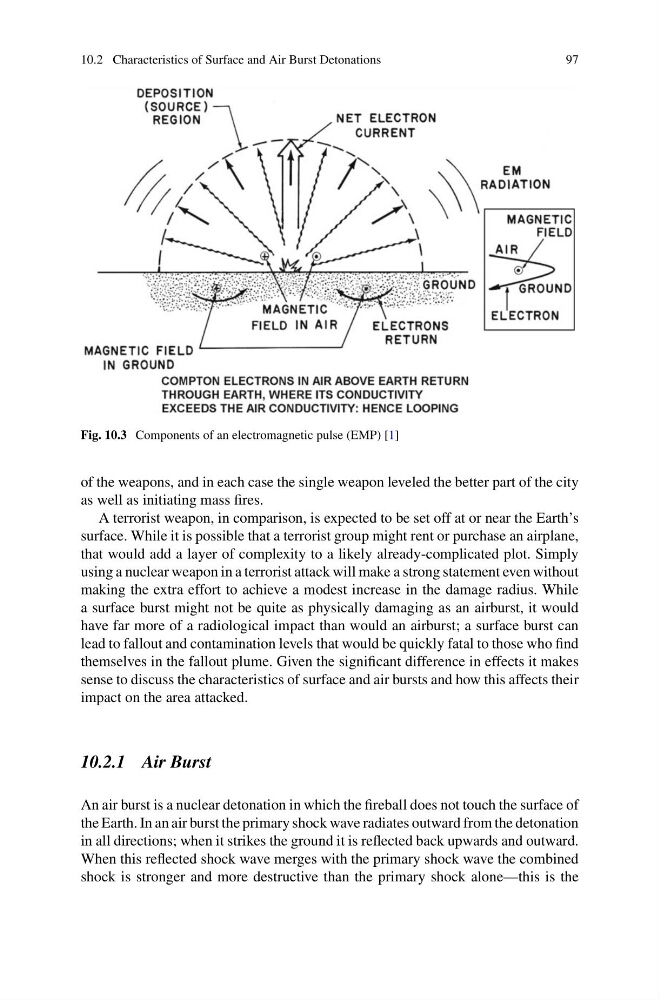
Fig. 10.3 Components of an electromagnetic pulse (EMP) [1]
of the weapons, and in each case the single weapon leveled the better part of the city
as well as initiating mass fires.
A terrorist weapon, in comparison, is expected to be set off at or near the Earth’s
surface. While it is possible that a terrorist group might rent or purchase an airplane,
that would add a layer of complexity to a likely already-complicated plot. Simply
using a nuclear weapon in a terrorist attack will make a strong statement even without
making the extra effort to achieve a modest increase in the damage radius. While
a surface burst might not be quite as physically damaging as an airburst, it would
have far more of a radiological impact than would an airburst; a surface burst can
lead to fallout and contamination levels that would be quickly fatal to those who find
themselves in the fallout plume. Given the significant difference in effects it makes
sense to discuss the characteristics of surface and air bursts and how this affects their
impact on the area attacked.
10.2.1 Air Burst
An air burst is a nuclear detonation in which the fireball does not touch the surface of
the Earth. In an air burst the primary shock wave radiates outward from the detonation
in all directions; when it strikes the ground it is reflected back upwards and outward.
When this reflected shock wave merges with the primary shock wave the combined
shock is stronger and more destructive than the primary shock alone—this is the
97
Fig. 10.3 Components of an electromagnetic pulse (EMP) [1]
of the weapons, and in each case the single weapon leveled the better part of the city
as well as initiating mass fires.
A terrorist weapon, in comparison, is expected to be set off at or near the Earth’s
surface. While it is possible that a terrorist group might rent or purchase an airplane,
that would add a layer of complexity to a likely already-complicated plot. Simply
using a nuclear weapon in a terrorist attack will make a strong statement even without
making the extra effort to achieve a modest increase in the damage radius. While
a surface burst might not be quite as physically damaging as an airburst, it would
have far more of a radiological impact than would an airburst; a surface burst can
lead to fallout and contamination levels that would be quickly fatal to those who find
themselves in the fallout plume. Given the significant difference in effects it makes
sense to discuss the characteristics of surface and air bursts and how this affects their
impact on the area attacked.
10.2.1 Air Burst
An air burst is a nuclear detonation in which the fireball does not touch the surface of
the Earth. In an air burst the primary shock wave radiates outward from the detonation
in all directions; when it strikes the ground it is reflected back upwards and outward.
When this reflected shock wave merges with the primary shock wave the combined
shock is stronger and more destructive than the primary shock alone—this is the