

3.4 Normal Rotation Under Solution Condition …
45
α TP
β DP
β E
α E
α DP
β TP
ATP・・・H 2 O
γ
Pi
ATP
Closed
Structure
Closed
Structure
Open
Structure
α’ TP
β DP
HO
β’ E
α’ E
α’ DP
β’ TP
ADP, Pi
γ ’
ATP(ATP・・・H 2 O)
Half-Open
Structure
Closed
Structure
Open
Structure
α TP
β E
β TP
α E
α DP
β DP
Pi
γ
Open
Structure
Closed
Structure
Closed
Structure
ATP
ATP・・・H 2 O
40 o
rotation
80 o
rotation
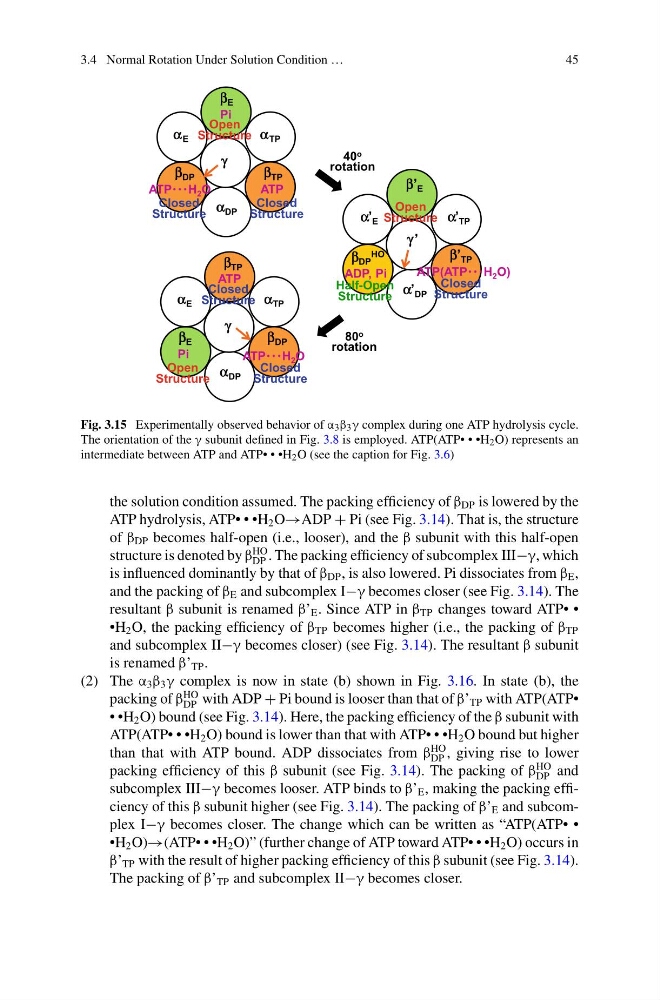
Fig. 3.15 Experimentally observed behavior of α 3 β 3 γ complex during one ATP hydrolysis cycle.
The orientation of the γ subunit defined in Fig. 3.8 is employed. ATP(ATP• • •H 2 O) represents an
intermediate between ATP and ATP• • •H 2 O (see the caption for Fig. 3.6)
the solution condition assumed. The packing efficiency of β DP is lowered by the
ATP hydrolysis, ATP• • •H 2 O→ADP + Pi (see Fig. 3.14). That is, the structure
of β DP becomes half-open (i.e., looser), and the β subunit with this half-open
structure is denoted by β
HO
DP . The packing efficiency of subcomplex III−γ, which
is influenced dominantly by that of β DP , is also lowered. Pi dissociates from β E ,
and the packing of β E and subcomplex I−γ becomes closer (see Fig. 3.14). The
resultant β subunit is renamed β’ E . Since ATP in β TP changes toward ATP• •
•H 2 O, the packing efficiency of β TP becomes higher (i.e., the packing of β TP
and subcomplex II−γ becomes closer) (see Fig. 3.14). The resultant β subunit
is renamed β’ TP .
(2) The α 3 β 3 γ complex is now in state (b) shown in Fig. 3.16. In state (b), the
packing of β
HO
DP with ADP + Pi bound is looser than that of β’ TP with ATP(ATP•
• •H 2 O) bound (see Fig. 3.14). Here, the packing efficiency of the β subunit with
ATP(ATP• • •H 2 O) bound is lower than that with ATP• • •H 2 O bound but higher
than that with ATP bound. ADP dissociates from β
HO
DP , giving rise to lower
packing efficiency of this β subunit (see Fig. 3.14). The packing of β
HO
DP and
subcomplex III−γ becomes looser. ATP binds to β’ E , making the packing efficiency of this β subunit higher (see Fig. 3.14). The packing of β’ E and subcomplex I−γ becomes closer. The change which can be written as “ATP(ATP• •
•H 2 O)→(ATP• • •H 2 O)” (further change of ATP toward ATP• • •H 2 O) occurs in
β’ TP with the result of higher packing efficiency of this β subunit (see Fig. 3.14).
The packing of β’ TP and subcomplex II−γ becomes closer.
45
α TP
β DP
β E
α E
α DP
β TP
ATP・・・H 2 O
γ
Pi
ATP
Closed
Structure
Closed
Structure
Open
Structure
α’ TP
β DP
HO
β’ E
α’ E
α’ DP
β’ TP
ADP, Pi
γ ’
ATP(ATP・・・H 2 O)
Half-Open
Structure
Closed
Structure
Open
Structure
α TP
β E
β TP
α E
α DP
β DP
Pi
γ
Open
Structure
Closed
Structure
Closed
Structure
ATP
ATP・・・H 2 O
40 o
rotation
80 o
rotation
Fig. 3.15 Experimentally observed behavior of α 3 β 3 γ complex during one ATP hydrolysis cycle.
The orientation of the γ subunit defined in Fig. 3.8 is employed. ATP(ATP• • •H 2 O) represents an
intermediate between ATP and ATP• • •H 2 O (see the caption for Fig. 3.6)
the solution condition assumed. The packing efficiency of β DP is lowered by the
ATP hydrolysis, ATP• • •H 2 O→ADP + Pi (see Fig. 3.14). That is, the structure
of β DP becomes half-open (i.e., looser), and the β subunit with this half-open
structure is denoted by β
HO
DP . The packing efficiency of subcomplex III−γ, which
is influenced dominantly by that of β DP , is also lowered. Pi dissociates from β E ,
and the packing of β E and subcomplex I−γ becomes closer (see Fig. 3.14). The
resultant β subunit is renamed β’ E . Since ATP in β TP changes toward ATP• •
•H 2 O, the packing efficiency of β TP becomes higher (i.e., the packing of β TP
and subcomplex II−γ becomes closer) (see Fig. 3.14). The resultant β subunit
is renamed β’ TP .
(2) The α 3 β 3 γ complex is now in state (b) shown in Fig. 3.16. In state (b), the
packing of β
HO
DP with ADP + Pi bound is looser than that of β’ TP with ATP(ATP•
• •H 2 O) bound (see Fig. 3.14). Here, the packing efficiency of the β subunit with
ATP(ATP• • •H 2 O) bound is lower than that with ATP• • •H 2 O bound but higher
than that with ATP bound. ADP dissociates from β
HO
DP , giving rise to lower
packing efficiency of this β subunit (see Fig. 3.14). The packing of β
HO
DP and
subcomplex III−γ becomes looser. ATP binds to β’ E , making the packing efficiency of this β subunit higher (see Fig. 3.14). The packing of β’ E and subcomplex I−γ becomes closer. The change which can be written as “ATP(ATP• •
•H 2 O)→(ATP• • •H 2 O)” (further change of ATP toward ATP• • •H 2 O) occurs in
β’ TP with the result of higher packing efficiency of this β subunit (see Fig. 3.14).
The packing of β’ TP and subcomplex II−γ becomes closer.