

42
3 Mechanism of Unidirectional Rotation of γ Subunit in F 1 -ATPase
(a)
(b)
Water Molecule
Overlap of
Excluded Spaces
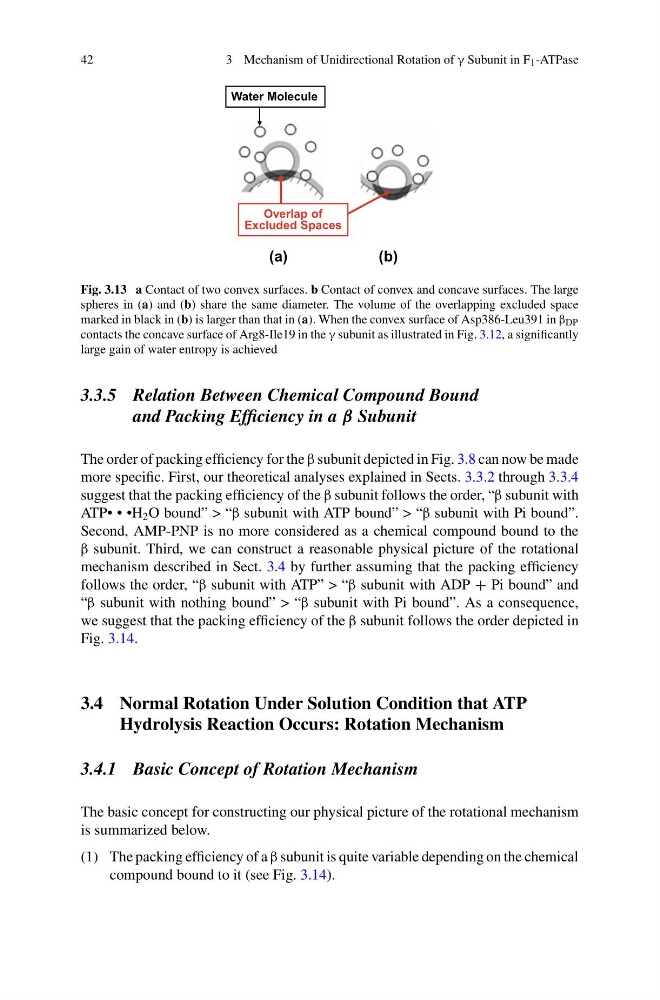
Fig. 3.13 a Contact of two convex surfaces. b Contact of convex and concave surfaces. The large
spheres in (a) and (b) share the same diameter. The volume of the overlapping excluded space
marked in black in (b) is larger than that in (a). When the convex surface of Asp386-Leu391 in β DP
contacts the concave surface of Arg8-Ile19 in the γ subunit as illustrated in Fig. 3.12, a significantly
large gain of water entropy is achieved
3.3.5 Relation Between Chemical Compound Bound
and Packing Efficiency in a β Subunit
The order of packing efficiency for the β subunit depicted in Fig. 3.8 can now be made
more specific. First, our theoretical analyses explained in Sects. 3.3.2 through 3.3.4
suggest that the packing efficiency of the β subunit follows the order, “β subunit with
ATP• • •H 2 O bound” > “β subunit with ATP bound” > “β subunit with Pi bound”.
Second, AMP-PNP is no more considered as a chemical compound bound to the
β subunit. Third, we can construct a reasonable physical picture of the rotational
mechanism described in Sect. 3.4 by further assuming that the packing efficiency
follows the order, “β subunit with ATP” > “β subunit with ADP + Pi bound” and
“β subunit with nothing bound” > “β subunit with Pi bound”. As a consequence,
we suggest that the packing efficiency of the β subunit follows the order depicted in
Fig. 3.14.
3.4 Normal Rotation Under Solution Condition that ATP
Hydrolysis Reaction Occurs: Rotation Mechanism
3.4.1 Basic Concept of Rotation Mechanism
The basic concept for constructing our physical picture of the rotational mechanism
is summarized below.
(1) The packing efficiency of a β subunit is quite variable depending on the chemical
compound bound to it (see Fig. 3.14).
3 Mechanism of Unidirectional Rotation of γ Subunit in F 1 -ATPase
(a)
(b)
Water Molecule
Overlap of
Excluded Spaces
Fig. 3.13 a Contact of two convex surfaces. b Contact of convex and concave surfaces. The large
spheres in (a) and (b) share the same diameter. The volume of the overlapping excluded space
marked in black in (b) is larger than that in (a). When the convex surface of Asp386-Leu391 in β DP
contacts the concave surface of Arg8-Ile19 in the γ subunit as illustrated in Fig. 3.12, a significantly
large gain of water entropy is achieved
3.3.5 Relation Between Chemical Compound Bound
and Packing Efficiency in a β Subunit
The order of packing efficiency for the β subunit depicted in Fig. 3.8 can now be made
more specific. First, our theoretical analyses explained in Sects. 3.3.2 through 3.3.4
suggest that the packing efficiency of the β subunit follows the order, “β subunit with
ATP• • •H 2 O bound” > “β subunit with ATP bound” > “β subunit with Pi bound”.
Second, AMP-PNP is no more considered as a chemical compound bound to the
β subunit. Third, we can construct a reasonable physical picture of the rotational
mechanism described in Sect. 3.4 by further assuming that the packing efficiency
follows the order, “β subunit with ATP” > “β subunit with ADP + Pi bound” and
“β subunit with nothing bound” > “β subunit with Pi bound”. As a consequence,
we suggest that the packing efficiency of the β subunit follows the order depicted in
Fig. 3.14.
3.4 Normal Rotation Under Solution Condition that ATP
Hydrolysis Reaction Occurs: Rotation Mechanism
3.4.1 Basic Concept of Rotation Mechanism
The basic concept for constructing our physical picture of the rotational mechanism
is summarized below.
(1) The packing efficiency of a β subunit is quite variable depending on the chemical
compound bound to it (see Fig. 3.14).