

11 Economy-Wide Material Flow Analysis and Its Projection …
171
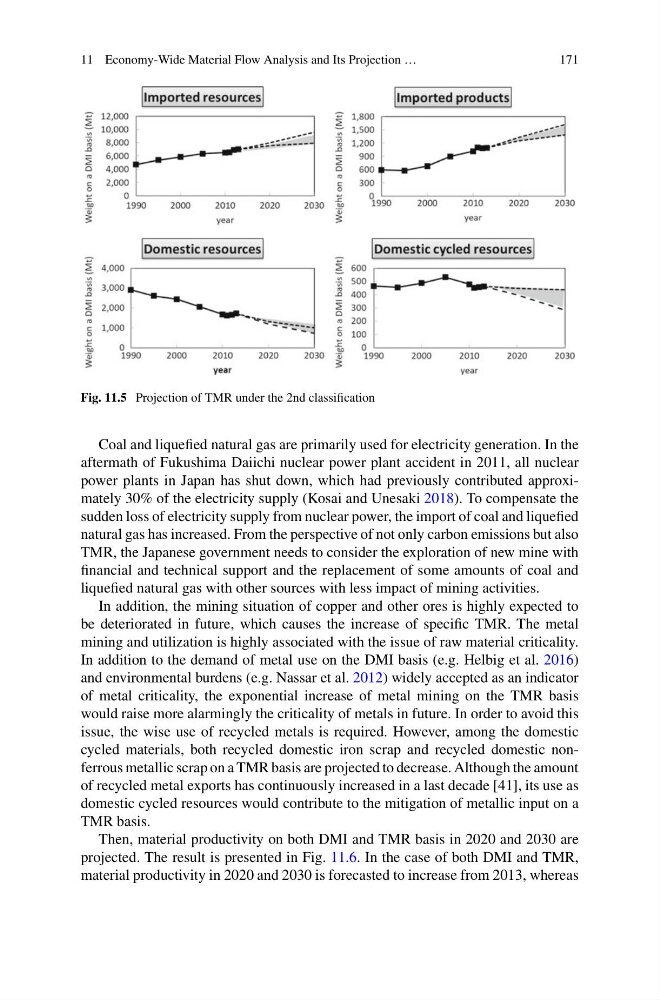
Fig. 11.5 Projection of TMR under the 2nd classification
Coal and liquefied natural gas are primarily used for electricity generation. In the
aftermath of Fukushima Daiichi nuclear power plant accident in 2011, all nuclear
power plants in Japan has shut down, which had previously contributed approximately 30% of the electricity supply (Kosai and Unesaki 2018). To compensate the
sudden loss of electricity supply from nuclear power, the import of coal and liquefied
natural gas has increased. From the perspective of not only carbon emissions but also
TMR, the Japanese government needs to consider the exploration of new mine with
financial and technical support and the replacement of some amounts of coal and
liquefied natural gas with other sources with less impact of mining activities.
In addition, the mining situation of copper and other ores is highly expected to
be deteriorated in future, which causes the increase of specific TMR. The metal
mining and utilization is highly associated with the issue of raw material criticality.
In addition to the demand of metal use on the DMI basis (e.g. Helbig et al. 2016)
and environmental burdens (e.g. Nassar et al. 2012) widely accepted as an indicator
of metal criticality, the exponential increase of metal mining on the TMR basis
would raise more alarmingly the criticality of metals in future. In order to avoid this
issue, the wise use of recycled metals is required. However, among the domestic
cycled materials, both recycled domestic iron scrap and recycled domestic nonferrous metallic scrap on a TMR basis are projected to decrease. Although the amount
of recycled metal exports has continuously increased in a last decade [41], its use as
domestic cycled resources would contribute to the mitigation of metallic input on a
TMR basis.
Then, material productivity on both DMI and TMR basis in 2020 and 2030 are
projected. The result is presented in Fig. 11.6. In the case of both DMI and TMR,
material productivity in 2020 and 2030 is forecasted to increase from 2013, whereas
171
Fig. 11.5 Projection of TMR under the 2nd classification
Coal and liquefied natural gas are primarily used for electricity generation. In the
aftermath of Fukushima Daiichi nuclear power plant accident in 2011, all nuclear
power plants in Japan has shut down, which had previously contributed approximately 30% of the electricity supply (Kosai and Unesaki 2018). To compensate the
sudden loss of electricity supply from nuclear power, the import of coal and liquefied
natural gas has increased. From the perspective of not only carbon emissions but also
TMR, the Japanese government needs to consider the exploration of new mine with
financial and technical support and the replacement of some amounts of coal and
liquefied natural gas with other sources with less impact of mining activities.
In addition, the mining situation of copper and other ores is highly expected to
be deteriorated in future, which causes the increase of specific TMR. The metal
mining and utilization is highly associated with the issue of raw material criticality.
In addition to the demand of metal use on the DMI basis (e.g. Helbig et al. 2016)
and environmental burdens (e.g. Nassar et al. 2012) widely accepted as an indicator
of metal criticality, the exponential increase of metal mining on the TMR basis
would raise more alarmingly the criticality of metals in future. In order to avoid this
issue, the wise use of recycled metals is required. However, among the domestic
cycled materials, both recycled domestic iron scrap and recycled domestic nonferrous metallic scrap on a TMR basis are projected to decrease. Although the amount
of recycled metal exports has continuously increased in a last decade [41], its use as
domestic cycled resources would contribute to the mitigation of metallic input on a
TMR basis.
Then, material productivity on both DMI and TMR basis in 2020 and 2030 are
projected. The result is presented in Fig. 11.6. In the case of both DMI and TMR,
material productivity in 2020 and 2030 is forecasted to increase from 2013, whereas