

2.6 Mechanism of X-ray Detection
61
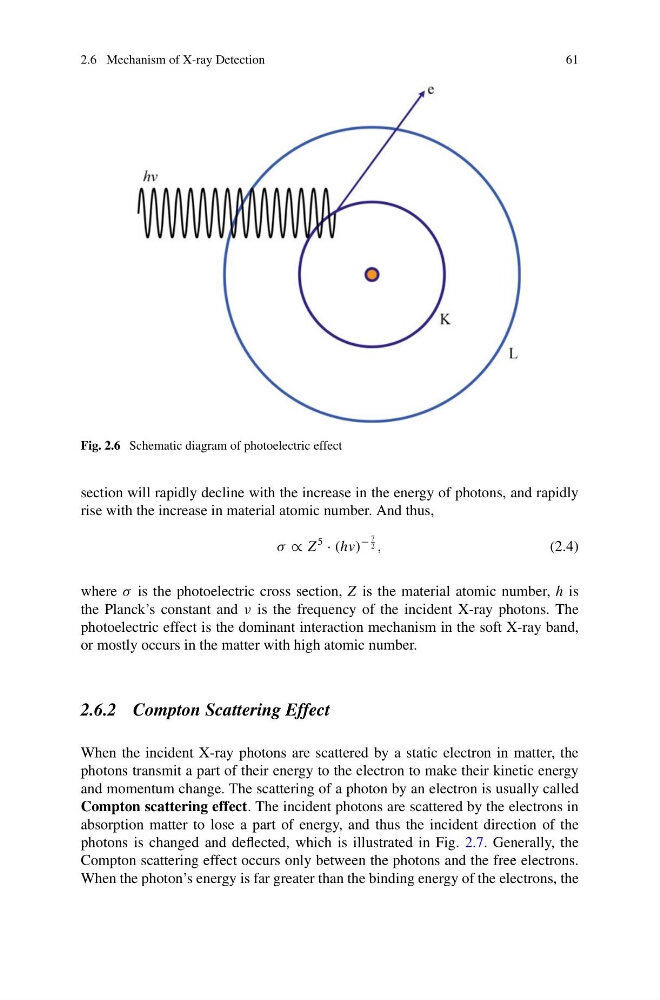
Fig. 2.6 Schematic diagram of photoelectric effect
section will rapidly decline with the increase in the energy of photons, and rapidly
rise with the increase in material atomic number. And thus,
σ ∝ Z
5
· (hv)
−
7
2 ,
(2.4)
where σ is the photoelectric cross section, Z is the material atomic number, h is
the Planck’s constant and ν is the frequency of the incident X-ray photons. The
photoelectric effect is the dominant interaction mechanism in the soft X-ray band,
or mostly occurs in the matter with high atomic number.
2.6.2 Compton Scattering Effect
When the incident X-ray photons are scattered by a static electron in matter, the
photons transmit a part of their energy to the electron to make their kinetic energy
and momentum change. The scattering of a photon by an electron is usually called
Compton scattering effect. The incident photons are scattered by the electrons in
absorption matter to lose a part of energy, and thus the incident direction of the
photons is changed and deflected, which is illustrated in Fig. 2.7. Generally, the
Compton scattering effect occurs only between the photons and the free electrons.
When the photon’s energy is far greater than the binding energy of the electrons, the
61
Fig. 2.6 Schematic diagram of photoelectric effect
section will rapidly decline with the increase in the energy of photons, and rapidly
rise with the increase in material atomic number. And thus,
σ ∝ Z
5
· (hv)
−
7
2 ,
(2.4)
where σ is the photoelectric cross section, Z is the material atomic number, h is
the Planck’s constant and ν is the frequency of the incident X-ray photons. The
photoelectric effect is the dominant interaction mechanism in the soft X-ray band,
or mostly occurs in the matter with high atomic number.
2.6.2 Compton Scattering Effect
When the incident X-ray photons are scattered by a static electron in matter, the
photons transmit a part of their energy to the electron to make their kinetic energy
and momentum change. The scattering of a photon by an electron is usually called
Compton scattering effect. The incident photons are scattered by the electrons in
absorption matter to lose a part of energy, and thus the incident direction of the
photons is changed and deflected, which is illustrated in Fig. 2.7. Generally, the
Compton scattering effect occurs only between the photons and the free electrons.
When the photon’s energy is far greater than the binding energy of the electrons, the