

2.10 Spin Valve
59
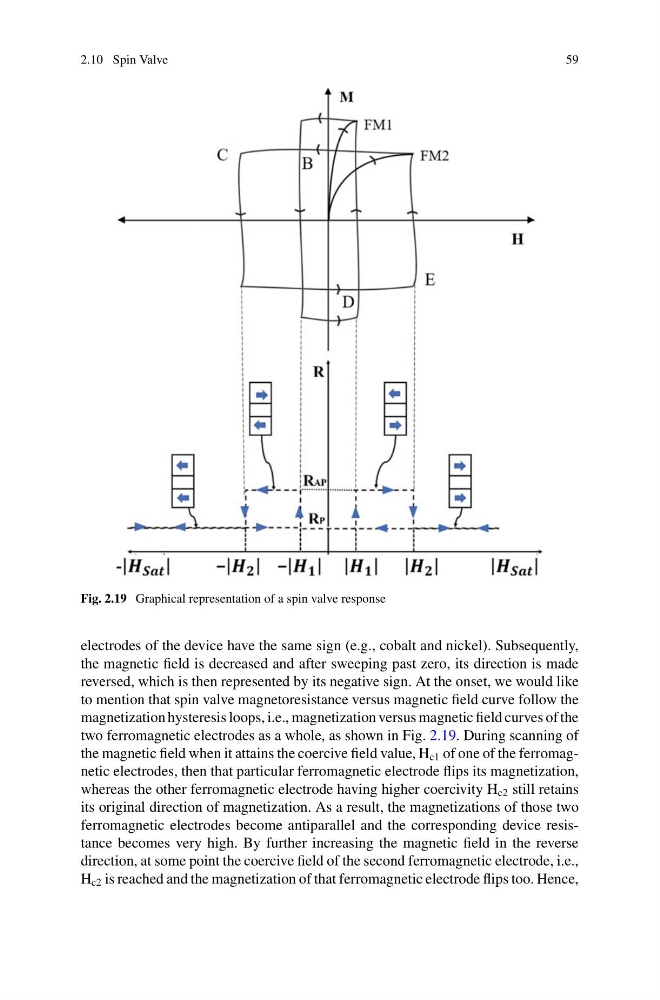
Fig. 2.19 Graphical representation of a spin valve response
electrodes of the device have the same sign (e.g., cobalt and nickel). Subsequently,
the magnetic field is decreased and after sweeping past zero, its direction is made
reversed, which is then represented by its negative sign. At the onset, we would like
to mention that spin valve magnetoresistance versus magnetic field curve follow the
magnetization hysteresis loops, i.e., magnetization versus magnetic field curves of the
two ferromagnetic electrodes as a whole, as shown in Fig. 2.19. During scanning of
the magnetic field when it attains the coercive field value, H c1 of one of the ferromagnetic electrodes, then that particular ferromagnetic electrode flips its magnetization,
whereas the other ferromagnetic electrode having higher coercivity H c2 still retains
its original direction of magnetization. As a result, the magnetizations of those two
ferromagnetic electrodes become antiparallel and the corresponding device resistance becomes very high. By further increasing the magnetic field in the reverse
direction, at some point the coercive field of the second ferromagnetic electrode, i.e.,
H c2 is reached and the magnetization of that ferromagnetic electrode flips too. Hence,
59
Fig. 2.19 Graphical representation of a spin valve response
electrodes of the device have the same sign (e.g., cobalt and nickel). Subsequently,
the magnetic field is decreased and after sweeping past zero, its direction is made
reversed, which is then represented by its negative sign. At the onset, we would like
to mention that spin valve magnetoresistance versus magnetic field curve follow the
magnetization hysteresis loops, i.e., magnetization versus magnetic field curves of the
two ferromagnetic electrodes as a whole, as shown in Fig. 2.19. During scanning of
the magnetic field when it attains the coercive field value, H c1 of one of the ferromagnetic electrodes, then that particular ferromagnetic electrode flips its magnetization,
whereas the other ferromagnetic electrode having higher coercivity H c2 still retains
its original direction of magnetization. As a result, the magnetizations of those two
ferromagnetic electrodes become antiparallel and the corresponding device resistance becomes very high. By further increasing the magnetic field in the reverse
direction, at some point the coercive field of the second ferromagnetic electrode, i.e.,
H c2 is reached and the magnetization of that ferromagnetic electrode flips too. Hence,