

nuclei. In the absence of nuclei, the solution may maintain its liquid
state down to its homogeneous nucleation temperature. Second,
ice formation causes the solutes in the solution to concentrate.
When the concentration of a solute (e.g., a salt) reaches its saturation point, the solute may precipitate out of the solution and/or
solidify at the eutectic composition. The eutectic event is also
exothermic and rarely occurs in cryopreservation solutions due to
the presence of high protectant concentration. However, the eutectic event is observed quite often in various freeze-drying solutions
and is taken into consideration for the design of the process protocol. The third thermal event is the glass formation of the freezeconcentrated phase, which is visible as a step-like transition or a
gradual baseline shift in the thermogram due to the change of heat
capacity from one state to another state. Glass transitions can easily
be distinguished from freezing and melting transitions, which produce thermal peaks. The glass transition event can be easily overlooked because it is masked by the large freezing peak and is usually
only visible after expanding the y-axis. Upon warming, a series of
related but often more complex thermal events occur in the frozen
system. As temperature rises, the solidified amorphous domain
undergoes a glass transition. At higher subzero temperatures,
unfrozen water regains mobility and may crystallize, resulting in
further concentration of the solutes in the amorphous domain.
Small ice crystals that are preformed during cooling may recrystallize to form large ice crystals. The eutectic composition will melt
(endothermic), and the maximally freeze-concentrated amorphous
domain will undergo another glass transition. Finally ice melts
(endothermic).
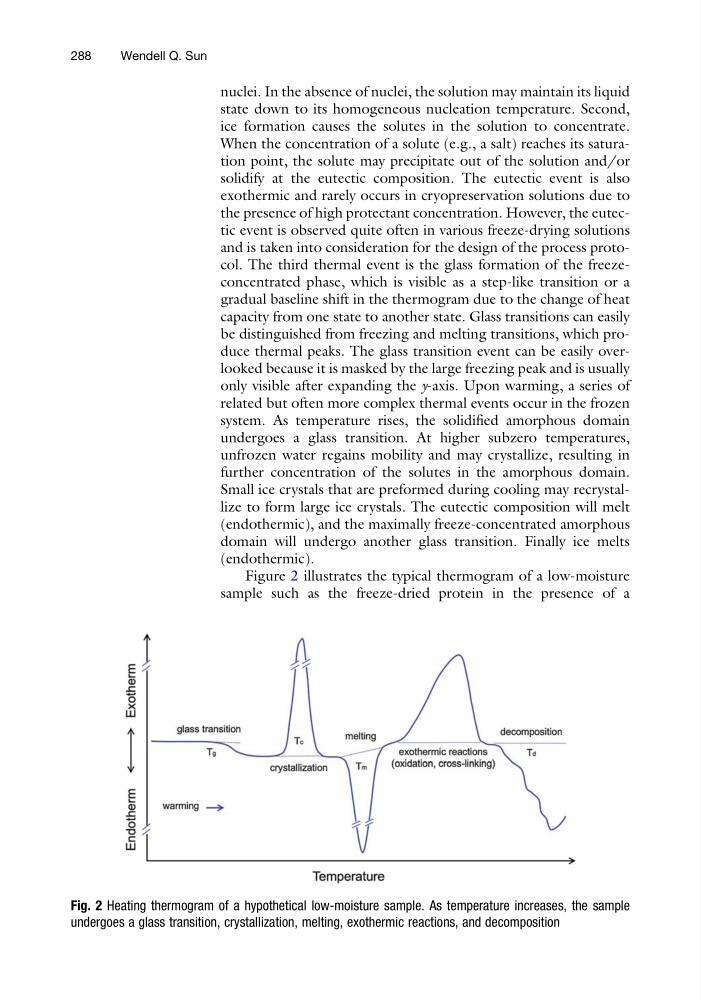
Figure 2 illustrates the typical thermogram of a low-moisture
sample such as the freeze-dried protein in the presence of a
Fig. 2 Heating thermogram of a hypothetical low-moisture sample. As temperature increases, the sample
undergoes a glass transition, crystallization, melting, exothermic reactions, and decomposition
288
Wendell Q. Sun
state down to its homogeneous nucleation temperature. Second,
ice formation causes the solutes in the solution to concentrate.
When the concentration of a solute (e.g., a salt) reaches its saturation point, the solute may precipitate out of the solution and/or
solidify at the eutectic composition. The eutectic event is also
exothermic and rarely occurs in cryopreservation solutions due to
the presence of high protectant concentration. However, the eutectic event is observed quite often in various freeze-drying solutions
and is taken into consideration for the design of the process protocol. The third thermal event is the glass formation of the freezeconcentrated phase, which is visible as a step-like transition or a
gradual baseline shift in the thermogram due to the change of heat
capacity from one state to another state. Glass transitions can easily
be distinguished from freezing and melting transitions, which produce thermal peaks. The glass transition event can be easily overlooked because it is masked by the large freezing peak and is usually
only visible after expanding the y-axis. Upon warming, a series of
related but often more complex thermal events occur in the frozen
system. As temperature rises, the solidified amorphous domain
undergoes a glass transition. At higher subzero temperatures,
unfrozen water regains mobility and may crystallize, resulting in
further concentration of the solutes in the amorphous domain.
Small ice crystals that are preformed during cooling may recrystallize to form large ice crystals. The eutectic composition will melt
(endothermic), and the maximally freeze-concentrated amorphous
domain will undergo another glass transition. Finally ice melts
(endothermic).
Figure 2 illustrates the typical thermogram of a low-moisture
sample such as the freeze-dried protein in the presence of a
Fig. 2 Heating thermogram of a hypothetical low-moisture sample. As temperature increases, the sample
undergoes a glass transition, crystallization, melting, exothermic reactions, and decomposition
288
Wendell Q. Sun