

2.6.4 Denmark
In Denmark, a feasibility study was carried out to look into mussel production on
longlines in the windmill park Nysted. The park contains 7 windmills and measures
24 km (Christensen et al. 2009 in Verhaeghe et al. 2011). To our knowledge, no
mussel production is taking place at the moment.
2.6.5 The Netherlands
For the production of fish and animal feed, as well as biofuels and energy, one of
the first trials to farm seaweeds off the coast within a wind farm site was conducted
by Ecofys and Hortimare in 2012. The system (Fig. 2.9a–h) that covers 400 m
2
(20 m  20 m) consists of a set of steel cables, submerged 2 m below the sea
surface and held by anchors and floating buoys. In between, horizontal nets
(10 m  10 m), seeded with laminarian sporophytes, were suspended between
those cables. In the plans was to test if the design is suitable for seaweed cultivation
in offshore wind farms in the North Sea.
Bartelings et al. (2014) carried out a desk study to look into the possibilities to
combine offshore aquaculture in windmill parks on the Dutch Continental Plateau.
The study concluded that mussel culture and mussel seed culture on longlines are
the most promising options within the Dutch context. It could potentially lead to a
reduction of 40% of the total cost per MWh and the Dutch mussel sector would be
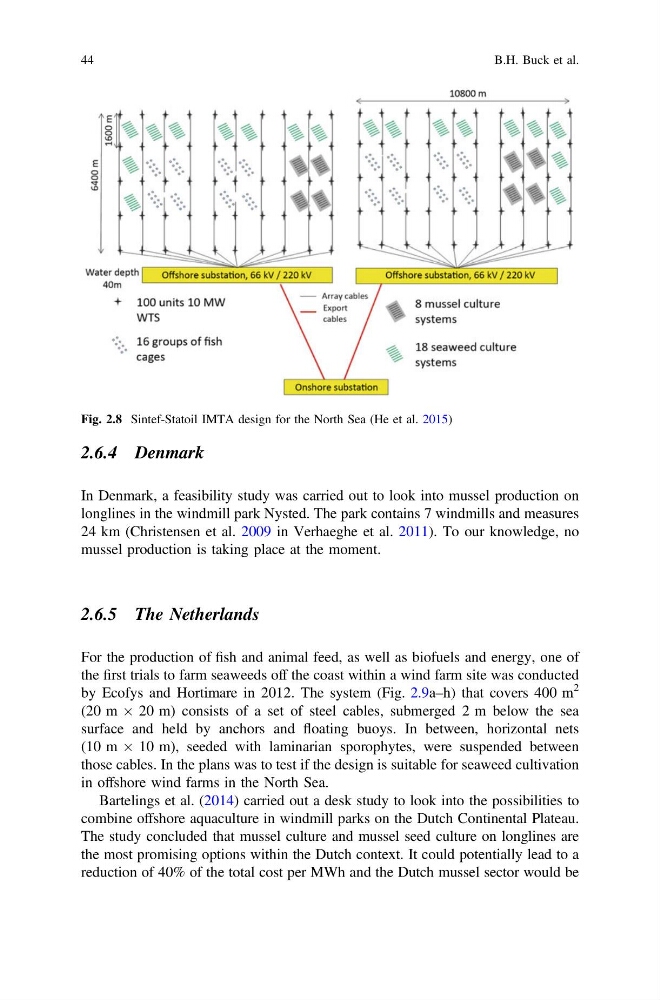
Fig. 2.8 Sintef-Statoil IMTA design for the North Sea (He et al. 2015)
44
B.H. Buck et al.
In Denmark, a feasibility study was carried out to look into mussel production on
longlines in the windmill park Nysted. The park contains 7 windmills and measures
24 km (Christensen et al. 2009 in Verhaeghe et al. 2011). To our knowledge, no
mussel production is taking place at the moment.
2.6.5 The Netherlands
For the production of fish and animal feed, as well as biofuels and energy, one of
the first trials to farm seaweeds off the coast within a wind farm site was conducted
by Ecofys and Hortimare in 2012. The system (Fig. 2.9a–h) that covers 400 m
2
(20 m  20 m) consists of a set of steel cables, submerged 2 m below the sea
surface and held by anchors and floating buoys. In between, horizontal nets
(10 m  10 m), seeded with laminarian sporophytes, were suspended between
those cables. In the plans was to test if the design is suitable for seaweed cultivation
in offshore wind farms in the North Sea.
Bartelings et al. (2014) carried out a desk study to look into the possibilities to
combine offshore aquaculture in windmill parks on the Dutch Continental Plateau.
The study concluded that mussel culture and mussel seed culture on longlines are
the most promising options within the Dutch context. It could potentially lead to a
reduction of 40% of the total cost per MWh and the Dutch mussel sector would be
Fig. 2.8 Sintef-Statoil IMTA design for the North Sea (He et al. 2015)
44
B.H. Buck et al.