

on the platform full time to monitor and maintain the systems. Two person crews
alternated during a 7 day on, 7 day off schedule which was coordinated with
planned helicopter transport of platform personnel to minimize costs. Cage system
supplies, fish food, fuel, water, and anything else needed for the project was
delivered by crew boats out of Galveston, Texas and also coordinated with previously scheduled trips to increase efficiency. The platform was outfitted with
permanent living quarters, a 7.3 m service vessel that could be craned off the
platform, and a pneumatic Akva automated feed system with hoppers that held
several tons of fish feed.
The cages that were tried during the project were both systems used in the
salmon industry consisting of a circular or hexagonal floating collar portion,
stanchions along the circumference, and a 30–40 m diameter cage with a weighted
net portion approximately 15 m deep. The first system was similar to many currently used around the world and was constructed entirely of high density polyethylene (HDPE) and featured a double collar ring at the surface. The cage was
constructed onshore at a terminal in Galveston and then towed to the site, moored,
and had the main net installed along with an interior nursery cage to allow transport
of smaller fish to the site (Fig. 13.7).
The system was situated between two platforms with half of the eight mooring
lines connected to the legs of the structures and the other half anchored several
hundred yards away with concrete blocks and anchors common to the aquaculture
industry. Initially, the system performed adequately and was compliant enough to
absorb the daily equipment stress as well as the periodic heavy seas that characterize the Gulf (Fig. 13.8).
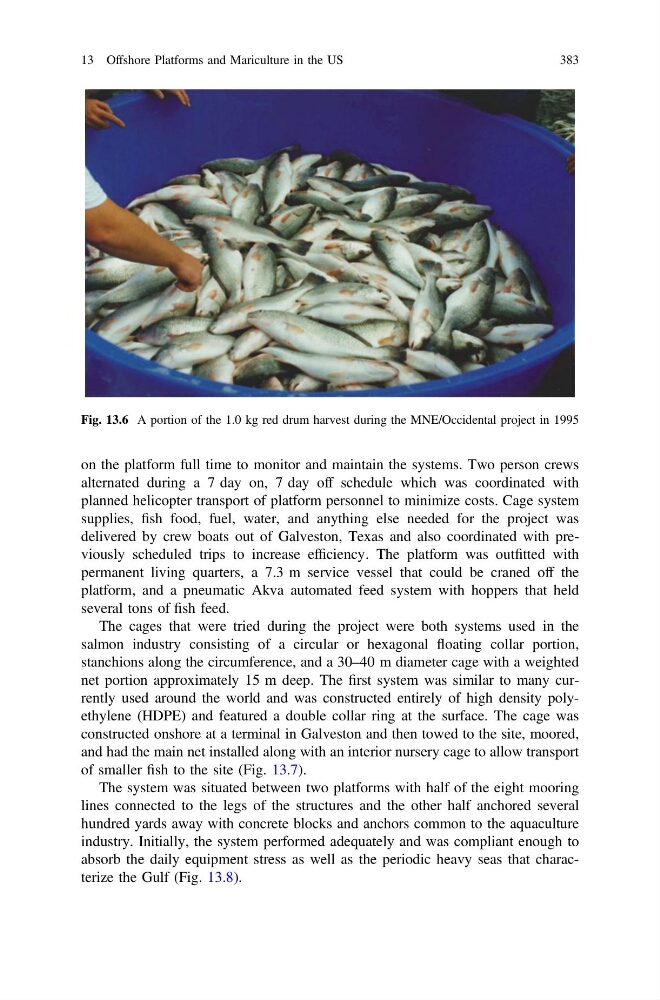
Fig. 13.6 A portion of the 1.0 kg red drum harvest during the MNE/Occidental project in 1995
13 Offshore Platforms and Mariculture in the US
383
alternated during a 7 day on, 7 day off schedule which was coordinated with
planned helicopter transport of platform personnel to minimize costs. Cage system
supplies, fish food, fuel, water, and anything else needed for the project was
delivered by crew boats out of Galveston, Texas and also coordinated with previously scheduled trips to increase efficiency. The platform was outfitted with
permanent living quarters, a 7.3 m service vessel that could be craned off the
platform, and a pneumatic Akva automated feed system with hoppers that held
several tons of fish feed.
The cages that were tried during the project were both systems used in the
salmon industry consisting of a circular or hexagonal floating collar portion,
stanchions along the circumference, and a 30–40 m diameter cage with a weighted
net portion approximately 15 m deep. The first system was similar to many currently used around the world and was constructed entirely of high density polyethylene (HDPE) and featured a double collar ring at the surface. The cage was
constructed onshore at a terminal in Galveston and then towed to the site, moored,
and had the main net installed along with an interior nursery cage to allow transport
of smaller fish to the site (Fig. 13.7).
The system was situated between two platforms with half of the eight mooring
lines connected to the legs of the structures and the other half anchored several
hundred yards away with concrete blocks and anchors common to the aquaculture
industry. Initially, the system performed adequately and was compliant enough to
absorb the daily equipment stress as well as the periodic heavy seas that characterize the Gulf (Fig. 13.8).
Fig. 13.6 A portion of the 1.0 kg red drum harvest during the MNE/Occidental project in 1995
13 Offshore Platforms and Mariculture in the US
383