

environment and pelagic fauna. The need for locale-specific nutrient budgeting and
carrying capacity analyses, and further research into the possible role of IMTA
systems were clearly articulated throughout the process (Wever et al. 2015). Other
concerns relate to transmission of diseases and genetic change of wild populations
by fish escapes (Vollstedt 2011). Environmental impacts of open offshore systems
clearly need to be evaluated and appropriately quantified as part of the site selection
process (Buck et al. 2012; Pogoda et al. 2015). However, while the specific
environmental concerns may be alleviated as more precise, on the ground information on impacts becomes available, to some stakeholders the mere accumulation
of ocean uses is a threat from the environmental protection point of view. In fact,
while offshore wind farms themselves are subject to environmental concerns (such
as increased noise levels, risk of collisions, changes to benthic and pelagic habitats,
alterations to food webs, and pollution from increased vessel traffic, see e.g. Bailey
et al. 2014 and Köller et al. 2006), some environmentalists believe in beneficial
effects of single-use wind farms, in which fishing is prohibited, such as reduced
pressure on fish stocks and recuperation of the benthic environment. Additional
uses such as aquaculture would rescind such effects (Wever et al. 2015).
Turning to the potentially most involved actor groups—the offshore wind farm
developers and operators, and the fisheries sector—a critical attitude is prevailing.
Both sectors are highly sceptical with respect to the economic, technological,
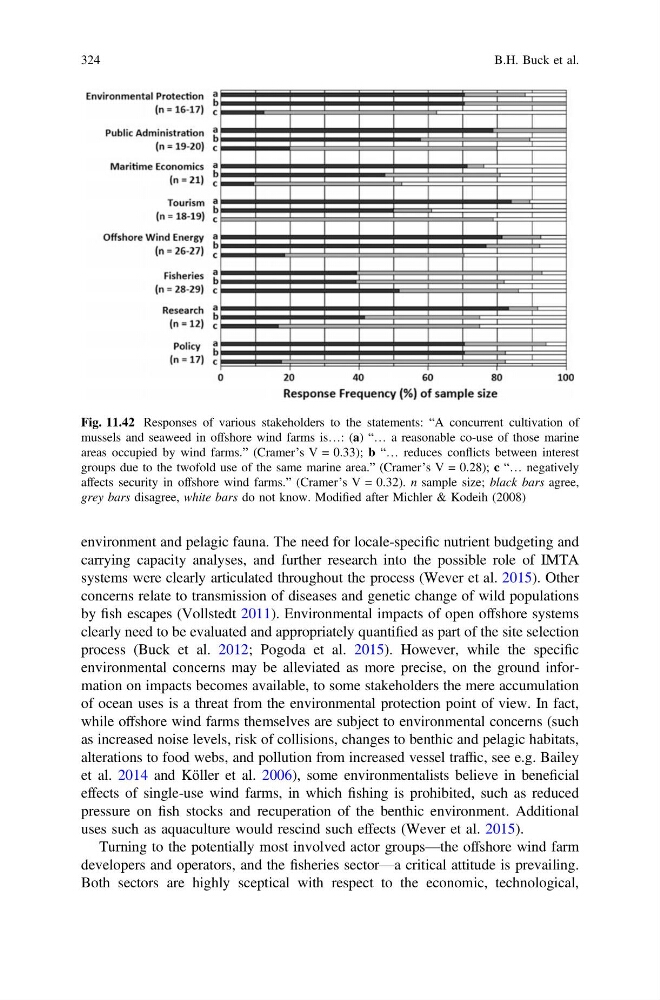
Fig. 11.42 Responses of various stakeholders to the statements: “A concurrent cultivation of
mussels and seaweed in offshore wind farms is…: (a) “… a reasonable co-use of those marine
areas occupied by wind farms.” (Cramer’s V = 0.33); b “… reduces conflicts between interest
groups due to the twofold use of the same marine area.” (Cramer’s V = 0.28); c “… negatively
affects security in offshore wind farms.” (Cramer’s V = 0.32). n sample size; black bars agree,
grey bars disagree, white bars do not know. Modified after Michler & Kodeih (2008)
324
B.H. Buck et al.
carrying capacity analyses, and further research into the possible role of IMTA
systems were clearly articulated throughout the process (Wever et al. 2015). Other
concerns relate to transmission of diseases and genetic change of wild populations
by fish escapes (Vollstedt 2011). Environmental impacts of open offshore systems
clearly need to be evaluated and appropriately quantified as part of the site selection
process (Buck et al. 2012; Pogoda et al. 2015). However, while the specific
environmental concerns may be alleviated as more precise, on the ground information on impacts becomes available, to some stakeholders the mere accumulation
of ocean uses is a threat from the environmental protection point of view. In fact,
while offshore wind farms themselves are subject to environmental concerns (such
as increased noise levels, risk of collisions, changes to benthic and pelagic habitats,
alterations to food webs, and pollution from increased vessel traffic, see e.g. Bailey
et al. 2014 and Köller et al. 2006), some environmentalists believe in beneficial
effects of single-use wind farms, in which fishing is prohibited, such as reduced
pressure on fish stocks and recuperation of the benthic environment. Additional
uses such as aquaculture would rescind such effects (Wever et al. 2015).
Turning to the potentially most involved actor groups—the offshore wind farm
developers and operators, and the fisheries sector—a critical attitude is prevailing.
Both sectors are highly sceptical with respect to the economic, technological,
Fig. 11.42 Responses of various stakeholders to the statements: “A concurrent cultivation of
mussels and seaweed in offshore wind farms is…: (a) “… a reasonable co-use of those marine
areas occupied by wind farms.” (Cramer’s V = 0.33); b “… reduces conflicts between interest
groups due to the twofold use of the same marine area.” (Cramer’s V = 0.28); c “… negatively
affects security in offshore wind farms.” (Cramer’s V = 0.32). n sample size; black bars agree,
grey bars disagree, white bars do not know. Modified after Michler & Kodeih (2008)
324
B.H. Buck et al.