

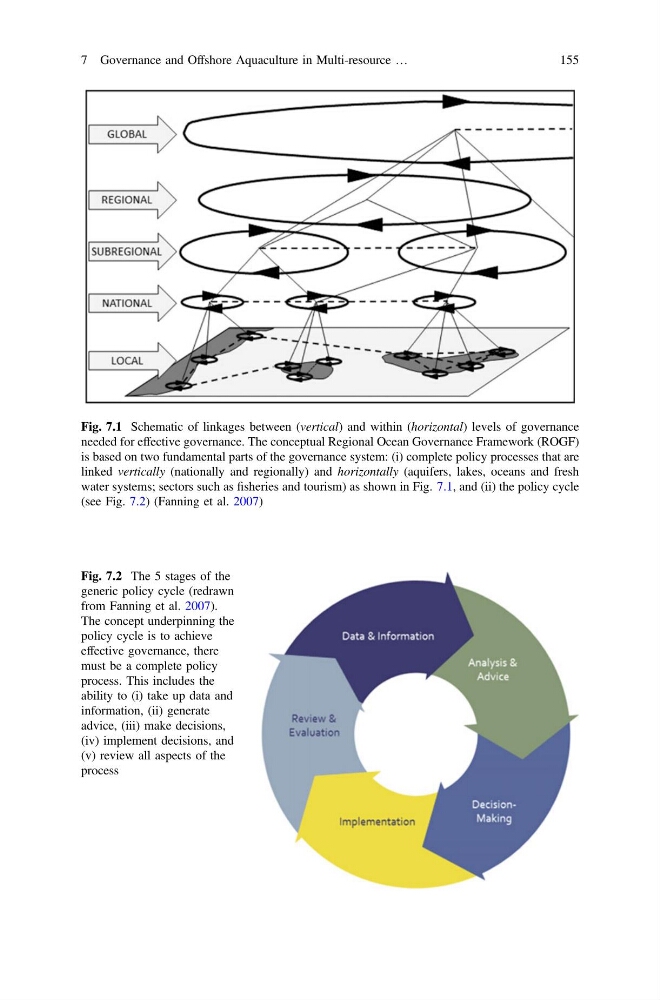
Fig. 7.1 Schematic of linkages between (vertical) and within (horizontal) levels of governance
needed for effective governance. The conceptual Regional Ocean Governance Framework (ROGF)
is based on two fundamental parts of the governance system: (i) complete policy processes that are
linked vertically (nationally and regionally) and horizontally (aquifers, lakes, oceans and fresh
water systems; sectors such as fisheries and tourism) as shown in Fig. 7.1, and (ii) the policy cycle
(see Fig. 7.2) (Fanning et al. 2007)
Fig. 7.2 The 5 stages of the
generic policy cycle (redrawn
from Fanning et al. 2007).
The concept underpinning the
policy cycle is to achieve
effective governance, there
must be a complete policy
process. This includes the
ability to (i) take up data and
information, (ii) generate
advice, (iii) make decisions,
(iv) implement decisions, and
(v) review all aspects of the
process
7 Governance and Offshore Aquaculture in Multi-resource …
155
needed for effective governance. The conceptual Regional Ocean Governance Framework (ROGF)
is based on two fundamental parts of the governance system: (i) complete policy processes that are
linked vertically (nationally and regionally) and horizontally (aquifers, lakes, oceans and fresh
water systems; sectors such as fisheries and tourism) as shown in Fig. 7.1, and (ii) the policy cycle
(see Fig. 7.2) (Fanning et al. 2007)
Fig. 7.2 The 5 stages of the
generic policy cycle (redrawn
from Fanning et al. 2007).
The concept underpinning the
policy cycle is to achieve
effective governance, there
must be a complete policy
process. This includes the
ability to (i) take up data and
information, (ii) generate
advice, (iii) make decisions,
(iv) implement decisions, and
(v) review all aspects of the
process
7 Governance and Offshore Aquaculture in Multi-resource …
155