

6
1 Introduction and Overview
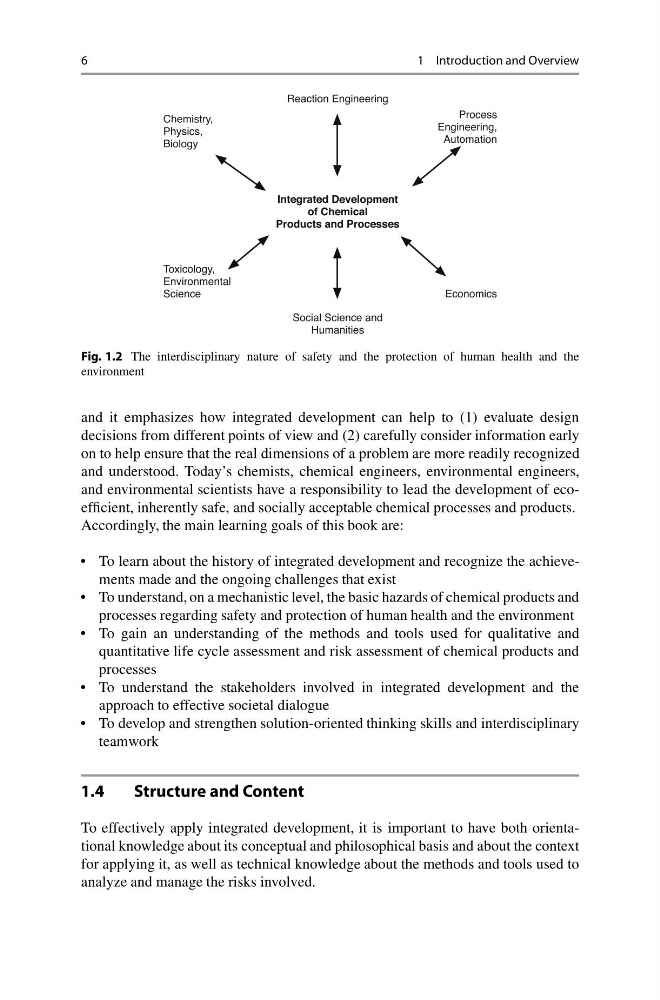
Fig. 1.2 The interdisciplinary nature of safety and the protection of human health and the
environment
and it emphasizes how integrated development can help to (1) evaluate design
decisions from different points of view and (2) carefully consider information early
on to help ensure that the real dimensions of a problem are more readily recognized
and understood. Today’s chemists, chemical engineers, environmental engineers,
and environmental scientists have a responsibility to lead the development of ecoefficient, inherently safe, and socially acceptable chemical processes and products.
Accordingly, the main learning goals of this book are:
• To learn about the history of integrated development and recognize the achievements made and the ongoing challenges that exist
• To understand, on a mechanistic level, the basic hazards of chemical products and
processes regarding safety and protection of human health and the environment
• To gain an understanding of the methods and tools used for qualitative and
quantitative life cycle assessment and risk assessment of chemical products and
processes
• To understand the stakeholders involved in integrated development and the
approach to effective societal dialogue
• To develop and strengthen solution-oriented thinking skills and interdisciplinary
teamwork
1.4
Structure and Content
To effectively apply integrated development, it is important to have both orientational knowledge about its conceptual and philosophical basis and about the context
for applying it, as well as technical knowledge about the methods and tools used to
analyze and manage the risks involved.
1 Introduction and Overview
Fig. 1.2 The interdisciplinary nature of safety and the protection of human health and the
environment
and it emphasizes how integrated development can help to (1) evaluate design
decisions from different points of view and (2) carefully consider information early
on to help ensure that the real dimensions of a problem are more readily recognized
and understood. Today’s chemists, chemical engineers, environmental engineers,
and environmental scientists have a responsibility to lead the development of ecoefficient, inherently safe, and socially acceptable chemical processes and products.
Accordingly, the main learning goals of this book are:
• To learn about the history of integrated development and recognize the achievements made and the ongoing challenges that exist
• To understand, on a mechanistic level, the basic hazards of chemical products and
processes regarding safety and protection of human health and the environment
• To gain an understanding of the methods and tools used for qualitative and
quantitative life cycle assessment and risk assessment of chemical products and
processes
• To understand the stakeholders involved in integrated development and the
approach to effective societal dialogue
• To develop and strengthen solution-oriented thinking skills and interdisciplinary
teamwork
1.4
Structure and Content
To effectively apply integrated development, it is important to have both orientational knowledge about its conceptual and philosophical basis and about the context
for applying it, as well as technical knowledge about the methods and tools used to
analyze and manage the risks involved.