

Excited lumophore molecules often form dipoles that interact, provided that the
distance between the molecules is sufficiently small. As a distance of 10–15 nm is
assumed as the maximum distance for interaction, it is possible in organic
lumophores to distinguish between the spectra of the molecule and of the excimer.
An excimer is a dimer that is formed when such an excited molecule comes into
close contact to a second lumophore molecule. In this case, an intermediary excimer
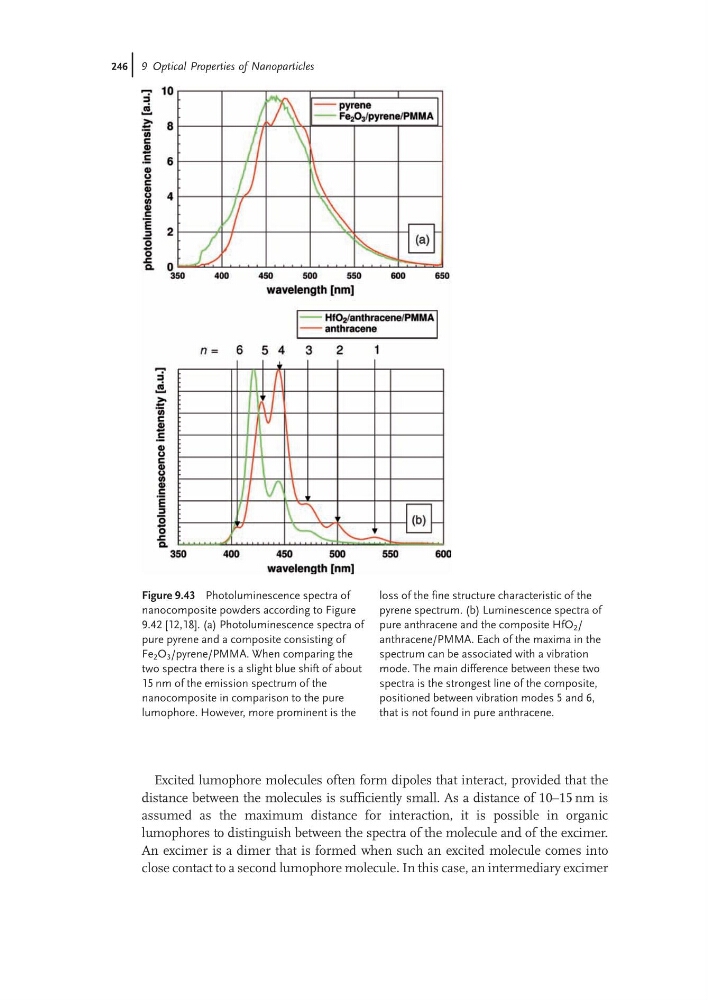
Figure 9.43 Photoluminescence spectra of
nanocomposite powders according to Figure
9.42 [12,18]. (a) Photoluminescence spectra of
pure pyrene and a composite consisting of
Fe 2 O 3 /pyrene/PMMA. When comparing the
two spectra there is a slight blue shift of about
15 nm of the emission spectrum of the
nanocomposite in comparison to the pure
lumophore. However, more prominent is the
loss of the fine structure characteristic of the
pyrene spectrum. (b) Luminescence spectra of
pure anthracene and the composite HfO 2 /
anthracene/PMMA. Each of the maxima in the
spectrum can be associated with a vibration
mode. The main difference between these two
spectra is the strongest line of the composite,
positioned between vibration modes 5 and 6,
that is not found in pure anthracene.
246j 9 Optical Properties of Nanoparticles
distance between the molecules is sufficiently small. As a distance of 10–15 nm is
assumed as the maximum distance for interaction, it is possible in organic
lumophores to distinguish between the spectra of the molecule and of the excimer.
An excimer is a dimer that is formed when such an excited molecule comes into
close contact to a second lumophore molecule. In this case, an intermediary excimer
Figure 9.43 Photoluminescence spectra of
nanocomposite powders according to Figure
9.42 [12,18]. (a) Photoluminescence spectra of
pure pyrene and a composite consisting of
Fe 2 O 3 /pyrene/PMMA. When comparing the
two spectra there is a slight blue shift of about
15 nm of the emission spectrum of the
nanocomposite in comparison to the pure
lumophore. However, more prominent is the
loss of the fine structure characteristic of the
pyrene spectrum. (b) Luminescence spectra of
pure anthracene and the composite HfO 2 /
anthracene/PMMA. Each of the maxima in the
spectrum can be associated with a vibration
mode. The main difference between these two
spectra is the strongest line of the composite,
positioned between vibration modes 5 and 6,
that is not found in pure anthracene.
246j 9 Optical Properties of Nanoparticles