

improved properties are in direct competition to well-established conventional
technologies, they will encounter fierce price competition, and this may lead to
major problems for a young and expensive technology to overcome. Indeed, it is
often observed that marginal profit margins in the production or application of
nanomaterials with improved properties may result in severe financial difficulties
for newly founded companies. In general, the economically most successful
application of nanomaterials requires only a small amount of material as compared
to conventional technologies; hence, one is selling “knowledge” rather than “tons”
(see Table 1.1). Finally, only those materials that exhibit new properties leading to
novel applications, beyond the reach of conventional materials, promise interesting
economic results.
10
-9
10
-8
10
-7
10
-6
10
-5
10
-4
lateral size [m]
0
0.2
0.4
0.6
0.8
1
relative
amount
Bottom up methods, synthesis and self organization
Conventional top down processes
Advanced top down processes
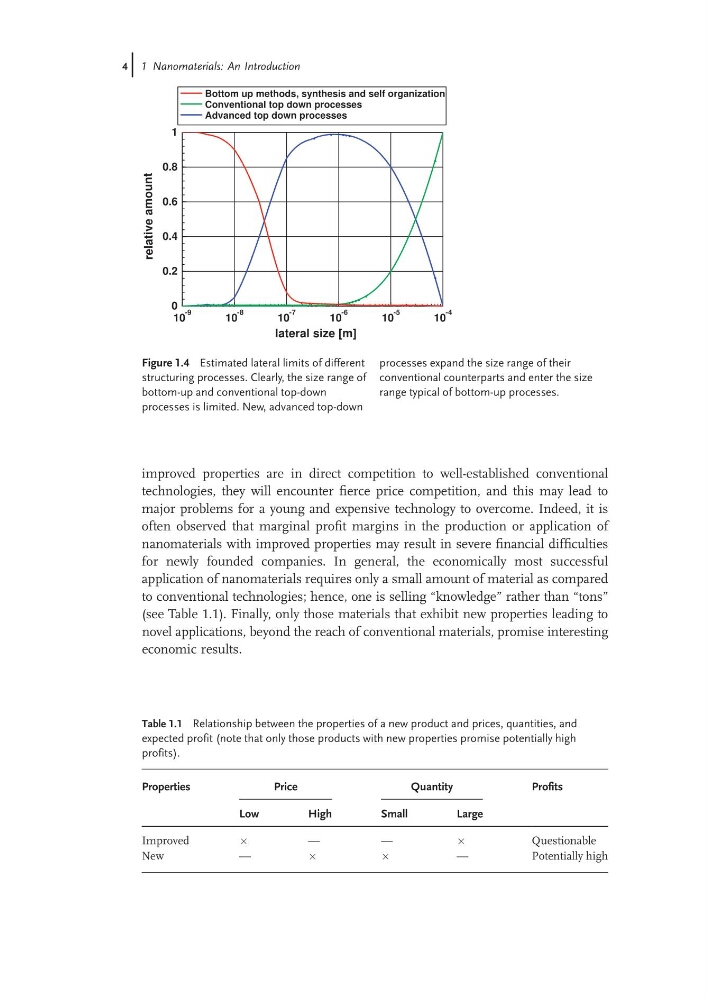
Figure 1.4 Estimated lateral limits of different
structuring processes. Clearly, the size range of
bottom-up and conventional top-down
processes is limited. New, advanced top-down
processes expand the size range of their
conventional counterparts and enter the size
range typical of bottom-up processes.
Table 1.1 Relationship between the properties of a new product and prices, quantities, and
expected profit (note that only those products with new properties promise potentially high
profits).
Properties
Price
Quantity
Profits
Low
High
Small
Large
Improved
Â
—
—
Â
Questionable
New
—
Â
Â
—
Potentially high
4j 1 Nanomaterials: An Introduction
technologies, they will encounter fierce price competition, and this may lead to
major problems for a young and expensive technology to overcome. Indeed, it is
often observed that marginal profit margins in the production or application of
nanomaterials with improved properties may result in severe financial difficulties
for newly founded companies. In general, the economically most successful
application of nanomaterials requires only a small amount of material as compared
to conventional technologies; hence, one is selling “knowledge” rather than “tons”
(see Table 1.1). Finally, only those materials that exhibit new properties leading to
novel applications, beyond the reach of conventional materials, promise interesting
economic results.
10
-9
10
-8
10
-7
10
-6
10
-5
10
-4
lateral size [m]
0
0.2
0.4
0.6
0.8
1
relative
amount
Bottom up methods, synthesis and self organization
Conventional top down processes
Advanced top down processes
Figure 1.4 Estimated lateral limits of different
structuring processes. Clearly, the size range of
bottom-up and conventional top-down
processes is limited. New, advanced top-down
processes expand the size range of their
conventional counterparts and enter the size
range typical of bottom-up processes.
Table 1.1 Relationship between the properties of a new product and prices, quantities, and
expected profit (note that only those products with new properties promise potentially high
profits).
Properties
Price
Quantity
Profits
Low
High
Small
Large
Improved
Â
—
—
Â
Questionable
New
—
Â
Â
—
Potentially high
4j 1 Nanomaterials: An Introduction